
Plants
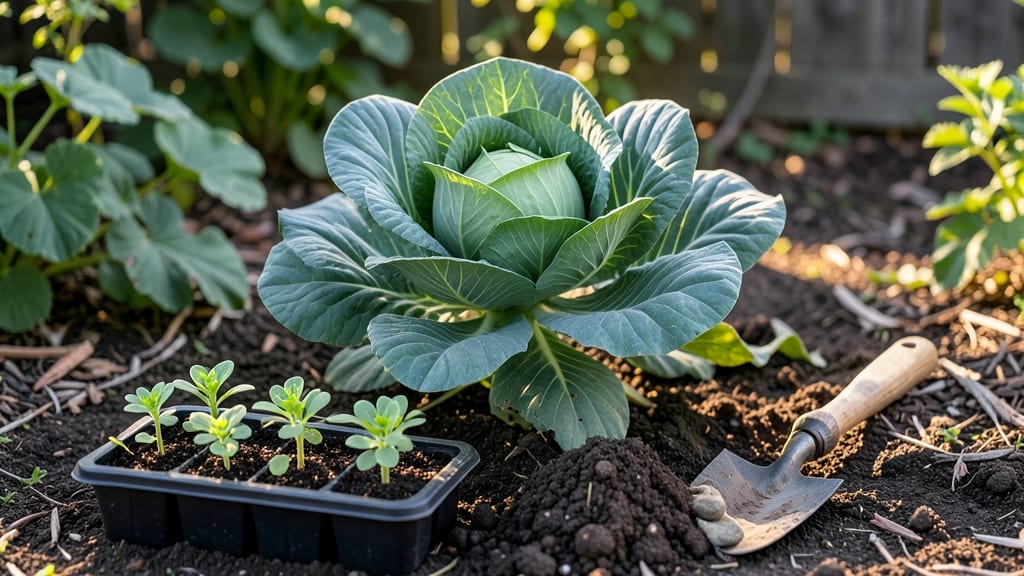
If you've ever watched your cabbage plants bolt into flower in Georgia's sweltering heat, you know timing is everything. The key to growing sweet, crisp 🥬 all season lies in planting at the right moment—before temperatures climb too high and trigger that bitter, flowering fate.
Georgia's 7b-8b climate zones give you two perfect windows to plant cabbage: late winter for spring harvests and midsummer for fall crops. But getting it wrong means wasted effort and no dinner-table heads. I'll show you exactly when to start seeds indoors or sow directly for zero bolting headaches.
Whether you're in coastal Savannah or the Piedmont hills, these exact planting months will maximize your yield. We'll also cover heat-tolerant varieties that actually thrive in Georgia's summer heat—because not all cabbage is created equal.
Ready to stop guessing and start growing? Let's dive into the precise schedule that'll have you harvesting firm, flavorful heads from May through November.
Best planting months for cabbage in Georgia’s climate zones (7a-8b)
Georgia’s diverse climate zones—from the humid Coastal Plain to the cooler Piedmont region—create unique challenges for growing cabbage (Brassica oleracea). The key to success? Planting at the right time to avoid heat stress and bolting (when cabbage flowers prematurely).
With USDA zones 7b-8b, your window for planting is short but strategic.
Most Georgia gardeners focus on two planting seasons: early spring and late summer. Spring plantings give you harvests by late May, while fall plantings extend your yield into October or November.
But timing isn’t one-size-fits-all—Coastal Georgia’s warmer microclimate differs from the Piedmont’s cooler nights, and mountain regions have even shorter growing seasons.
Here’s the breakdown you need to maximize your cabbage yield without wasting seeds or effort:
| Climate Zone | Best Planting Window | Avoid Planting After | Harvest Time | Key Tip |
|---|---|---|---|---|
| Coastal Georgia (Zone 8a-8b) | Late February–Early March (spring) & July 15–August 1 (fall) | April 15 (spring) / August 15 (fall) | May–June (spring) / Oct–Nov (fall) | Use shade cloth in summer to prevent bolting. |
| Piedmont (Zone 7b-8a) | Early March–Mid March (spring) & July 1–July 15 (fall) | April 1 (spring) / August 10 (fall) | May–June (spring) / Sept–Oct (fall) | Start seeds indoors in February for earlier transplants. |
| North Georgia Mountains (Zone 7a) | March 15–April 1 (spring only) | April 15 (spring) | June–July (spring) | Focus on cold-hardy varieties like ‘Wisconsin Winter.’ |
For spring plantings, aim to have seedlings ready to transplant 4–6 weeks before your last frost date (typically March 15 in most of Georgia). If you’re direct-sowing, start seeds indoors in February and move them out when soil temps hit 40°F.
In Coastal Georgia, you can even push spring plantings into early April if you use row covers to protect young plants.
Fall plantings are trickier but critical for extending your harvest. Start seeds indoors in July and transplant July 15–August 1 to ensure heads mature before first frost (November 15).
In Piedmont regions, you can sometimes squeeze in a second fall crop by planting late August, but this is risky due to shorter daylight.
Pro tip: Use a soil thermometer to check that soil temps are below 80°F for fall plantings—any hotter, and your cabbage will bolt. Mulch with straw or black plastic to keep roots cool during summer heat waves.
Remember, succession planting is your friend! Instead of planting all your cabbage at once, stagger seeds every 2 weeks in spring and every 3 weeks in fall for a continuous harvest. This works especially well in Coastal Georgia, where the growing season is longer.
✅ Ready to plant? Mark your calendar for March 1–15 (spring) and July 15–August 1 (fall)—these are your golden windows for cabbage success in Georgia.
Best planting months for cabbage in Georgia’s climate zones (7a-8b)
Georgia’s diverse microclimates—from the humid coastal plains to the cooler mountain regions—create unique challenges for growing cabbage. The key to success? Planting at the right time to avoid heat stress and bolting.
In most of Georgia (USDA zones 7b-8b), the ideal windows are late winter for spring crops and early summer for fall harvests.
For spring planting, aim for late February to early March in the Piedmont and March to early April in the mountains. Coastal areas can start slightly earlier (mid-February) due to milder winters.
These dates give seedlings time to establish before soil temperatures rise above 70°F, which triggers bolting.
| Region | Spring Planting | Fall Planting | Key Tip |
|---|---|---|---|
| Coastal (7b) | Mid-February to March 15 | July 15 to August 1 | Use shade cloth in summer |
| Piedmont (7b-8a) | Late February to March 10 | July 1 to July 25 | Plant near mulch to retain moisture |
| Mountains (7a) | March 15 to April 1 | July 25 to August 10 | Extend season with row covers |
Fall planting is equally critical, with July to early August being the sweet spot. This timing ensures heads mature before first frost (typically mid-November) while avoiding the peak summer heat. In the mountains, you can push fall planting slightly later (August 1-15) due to cooler nights.
For year-round harvests, consider succession planting every 2-3 weeks during your region’s ideal window. This staggered approach prevents gluts and ensures a steady supply of fresh cabbage.
Just remember: direct-sowing works best for Georgia’s climate, though you can start seeds indoors 4-6 weeks before your target outdoor date if using transplants.
One common mistake Georgia gardeners make? Planting too late in spring or too early in fall. Late spring plantings (after April 15) often bolt before heads form, while early fall plantings (before July 1) may not mature before frost.
Stick to the recommended windows and monitor soil temperatures closely—keep them between 50°F-70°F for optimal growth.
With these region-specific timelines, you’ll dodge bolting and enjoy crisp, homegrown cabbage from spring through fall—no Georgia heat stress in sight! 🥬