
Plants
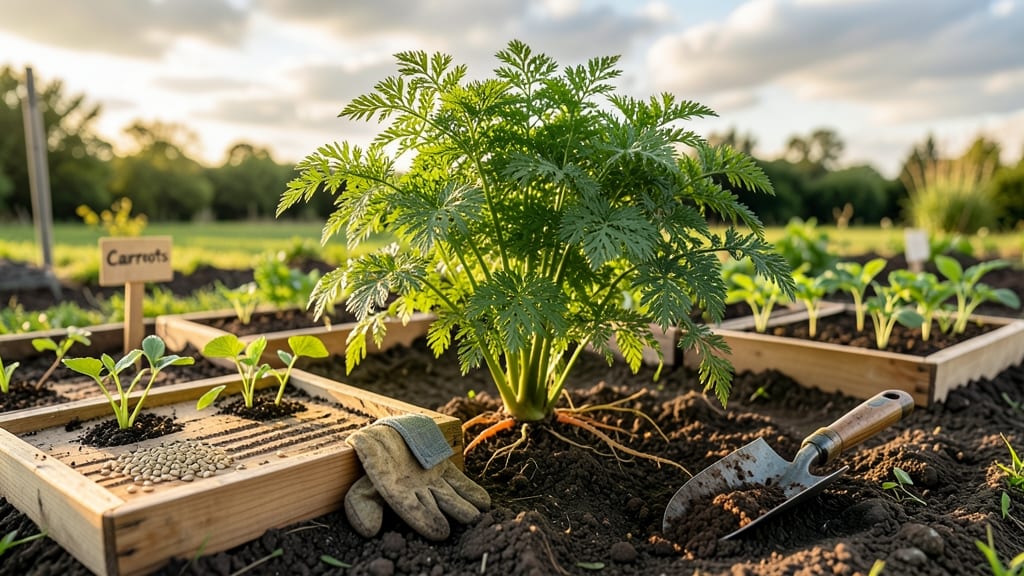
Planting carrots in Georgia at the wrong time can turn your crisp, sweet harvest into bitter disappointment—or worse, a total flop.
The key to growing 🥕 that rival grocery store perfection lies in timing: too early, and frost ruins your crop; too late, and summer heat makes them tough and woody.
Whether you're in Zone 7b or Zone 8b, Georgia's mild winters and long growing season give you two prime windows to plant—late February to early March for spring harvests and August to September for fall crops.
But getting it right means knowing your last frost date (usually mid-March) and soil temperature thresholds.
I'll walk you through the exact planting schedule for your zone, plus pro tips to avoid common mistakes like bolting or forking. With the right timing and care, you'll enjoy fresh, homegrown carrots from May through November—no store-bought competition needed.
Ready to grow carrots that taste like summer? Let's dive into the perfect planting schedule for Georgia gardeners.
Georgia carrot planting calendar by frost Zone: exact dates for success
Georgia’s USDA zones 7b-8b offer two prime windows for growing crisp, sweet carrots: early spring and late summer. The key? Planting when soil temperatures stay above 45°F but before summer heat triggers bolting.
In most of Georgia, this means starting seeds 6-8 weeks before your last frost date—typically late February to early March for spring and August to September for fall.
For Zone 7b (north Georgia), aim for March 1-15 for spring planting, while Zone 8a/b (central/south) can start as early as February 15. Fall plantings should wrap up by September 15 to ensure harvest before the first frost (mid-November).
Here’s your Georgia-specific planting timeline, including soil temperature thresholds and frost-free windows to maximize yield:
| Season | Planting Window | Soil Temp Threshold | Frost Risk | Harvest Window |
|---|---|---|---|---|
| Spring | Late February - Early March | 45°F+ | Low (after last frost) | May - June |
| Spring (Succession) | Every 2-3 weeks until April | 50°F+ | None | June - July |
| Fall | August - September | 60°F+ | High (before first frost) | October - November |
Direct sowing is best for carrots—they hate transplanting—so plan to scatter seeds ¼ inch deep in loose, stone-free soil. For Zone 7b, start seeds indoors under grow lights 4-6 weeks before last frost if you prefer seedlings, but expect 20% lower yield than direct sowing.
Pro tip: Use a seed tape or straw mulch to protect tiny seeds from Georgia’s sandy, erosion-prone soil. Water gently with a fine mist to avoid washing seeds away—carrot seeds need consistent moisture to germinate, but never soggy soil.
In Zone 8a/b, you can even try a winter crop by planting in early November for a January harvest. Just cover rows with straw mulch to insulate roots from freeze-thaw cycles. This trick works best with ‘Danvers’ or ‘Chantenay’ varieties, which tolerate cooler temps.
Watch for bolting (premature flowering) if daytime temps exceed 80°F for more than 3 days. To delay bolting, plant shade cloth (30-50%) over rows during peak summer heat or choose heat-tolerant varieties like ‘Red Cored Chantenay’ or ‘Paris Market’.
For container gardening in Georgia, use deep pots (12+ inches) filled with a 50/50 mix of potting soil and compost. Plant seeds ½ inch deep and keep soil consistently moist—containers dry out 3x faster than ground soil in Georgia’s heat.
Always rotate crops—never plant carrots in the same spot two years in a row. Georgia’s soil often harbors carrot rust fly larvae, and rotation breaks their life cycle. Pair carrots with onions, leeks, or rosemary to repel pests naturally.
How to extend carrot season in Georgia: avoiding bolting and summer heat stress
Georgia’s summer heat can turn sweet carrots bitter or cause them to bolt prematurely—but with the right strategies, you can enjoy a longer harvest. The key is succession planting, shade protection, and choosing heat-tolerant varieties.
I’ve grown carrots in Zone 8a for years, and these methods have kept my garden productive well beyond the ideal spring window.
First, focus on late summer and early fall plantings (August through September) when soil temperatures drop below 80°F. This cooler window gives carrots time to mature before the first frost in mid-November.
For extra protection, use 30-40% shade cloth during the hottest afternoons (12 PM–4 PM) to prevent bolting while still allowing enough light for growth.
🌱 Heat-Tolerant Carrot Varieties for Georgia
| Variety | Days to Maturity | Heat Tolerance | Best For |
|---|---|---|---|
| Danvers Half Long | 70 days | Moderate | Spring/fall, storage |
| Nantes | 60 days | High | Summer, quick harvest |
| Paris Market | 55 days | Very High | Extreme heat |
💡 Pro Tip: Sow seeds in succession every 2 weeks from August to September for a staggered harvest.
Another game-changer is mulching. Apply a 2-3 inch layer of straw or shredded leaves right after planting to keep soil moisture even and temperatures stable. This also suppresses weeds, which compete with carrots for nutrients. I’ve seen mulched beds stay 10°F cooler than uncovered soil during peak summer heat.
For succession planting, space your sowings 10-14 days apart starting in early August. This ensures a continuous supply of fresh carrots without overwhelming your garden at once. Pair this with drip irrigation set to water deeply in the morning—this mimics natural rainfall and reduces stress on young plants.
Finally, avoid fertilizing during the hottest months (June–July). Too much nitrogen can encourage leafy growth at the expense of root development, making carrots woody and tough. Instead, side-dress with compost tea in early August to give a gentle nutrient boost without risking bolting.
With these adjustments, you can enjoy crisp, sweet carrots from May through November—far longer than the typical spring-only harvest. The secret? Timing, shade, and variety selection work together to beat Georgia’s heat.