
Plants
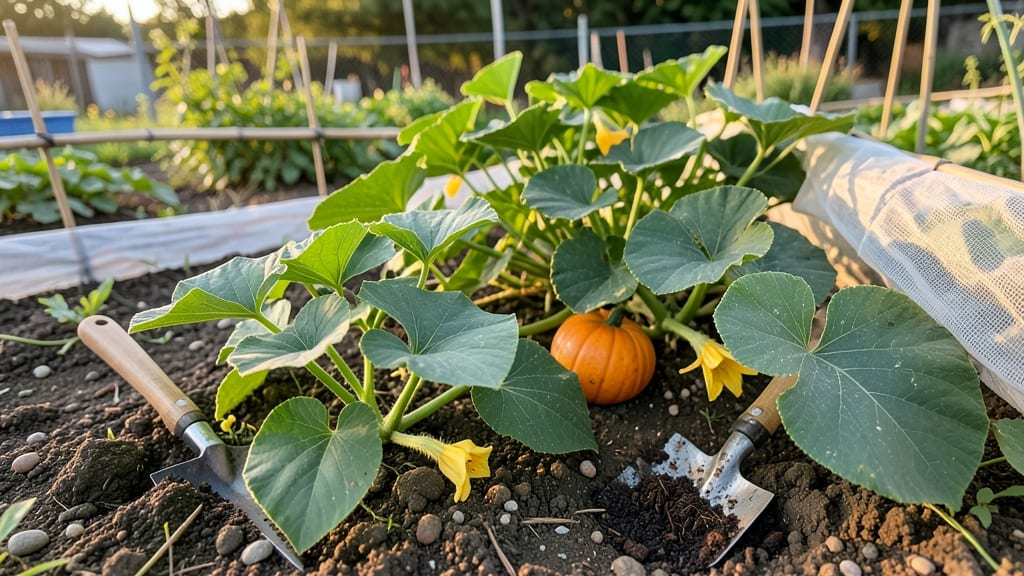
Planting pumpkin seeds in Indiana at the wrong time can mean the difference between a bumper harvest and a sad, wilted vine. With USDA zones 5b-6b and Indiana's famously fickle spring weather, timing your 🎃 seeds correctly is the key to success.
Most gardeners in the Hoosier State know the general rule—wait until after the last frost—but the real secret lies in understanding your specific zone's frost dates and soil temperature thresholds. For zones 5b-6b, that typically means planting between mid-April and mid-June, but there's more to it than just dates.
I'll walk you through the exact planting window you should aim for, including how to adjust for your local microclimate and the best methods for direct sowing versus transplanting.
Whether you're growing small decorative pumpkins or giant varieties, these insights will help you avoid common mistakes that derail even the most eager gardeners.
Ready to grow pumpkins that thrive? Let's dive into the zone-specific deadlines and factors that will give your vines the best possible start—so you can enjoy a harvest of plump, healthy pumpkins come September and October.
Indiana’s pumpkin planting deadlines by hardiness Zone (5-6a/b)
Indiana’s USDA Zones 5b-6b create a tight window for planting pumpkin seeds, where timing can mean the difference between a bountiful harvest and wasted effort.
Most of Indiana falls into Zone 5b (northern half) or Zone 6a/b (southern half), with last frost dates ranging from April 15 in the north to May 1 in the south.
Pumpkins need 90-120 frost-free days to mature, so planting too late risks immature fruit before fall’s chill. Meanwhile, planting too early exposes seedlings to frost damage or damping off. Indiana’s average first frost arrives around October 15, leaving roughly 165 days for growth.
For Zone 5b (northern Indiana), aim to plant after May 1 to ensure vines mature before frost. In Zone 6a/b (central/southern Indiana), you can start as early as mid-April, but wait until soil warms to 60°F (15°C)—a critical threshold for germination.
Use Indiana’s frost-free date calculator (available from Purdue Extension) to pinpoint your exact window. For example, Indianapolis (Zone 6a) typically has a May 15 last frost date, while South Bend (Zone 5b) averages May 1. Adjust your planting date accordingly.
| Zone | Last Frost Date | Ideal Planting Window | Soil Temp Threshold | Harvest Window |
|---|---|---|---|---|
| 5b (Northern IN) | May 1 | May 15–June 15 | 60°F (15°C) | Late Sept–Oct |
| 6a (Central IN) | May 15 | April 20–May 30 | 60°F (15°C) | Mid-Sept–Oct |
| 6b (Southern IN) | May 1 | April 15–June 1 | 60°F (15°C) | Early Sept–Oct |
*Adjust dates 1–2 weeks earlier for urban heat islands or later for rural valleys.
If you’re growing smaller varieties like ‘Jack Be Little’ (75-day maturity), you have more flexibility. But for giant pumpkins (100+ days), plant by May 15 in Zone 5b or April 20 in Zone 6a/b to avoid frost risks.
Pro tip: Use black plastic mulch to warm soil faster in cooler zones, extending your planting window by 1–2 weeks. This is especially helpful in Zone 5b, where early springs are common.
For direct sowing, plant 2–3 seeds per hill, spacing hills 4–6 feet apart. Thin to the strongest seedling after germination. If transplanting starts, begin seeds indoors 3–4 weeks before your last frost date.
Always monitor 7-day forecasts before planting—Indiana’s spring can swing from freezing nights to 90°F days in a week. Flexibility is key!
5 Critical factors that determine your exact planting date
While Indiana’s USDA zones 5b-6b give us a general window of mid-April to mid-June, your exact planting date depends on more than just the calendar.
I’ve planted pumpkins for years in Indiana, and I’ve learned that even a 1-2 week shift can mean the difference between a thriving vine and a failed harvest. Let’s break down the 5 critical factors that fine-tune your planting schedule.
First, your pumpkin variety matters more than you might think. Small decorative pumpkins (like Jack Be Little) mature in 75-90 days, while giant varieties (such as Atlantic Giant) need 120+ days. Planting a giant variety too late means you’ll be left with immature fruit.
Always check the days to maturity on your seed packet and work backward from your average first frost date (typically October 15 in Indiana).
Next, your seed-starting method plays a huge role. Direct sowing (planting seeds straight into the garden) is the most common and foolproof method for Indiana gardeners. However, if you’re starting seeds indoors, you’ll need to transplant them 2-3 weeks earlier to give them a head start.
Just remember, pumpkin seedlings are sensitive to transplant shock, so harden them off properly before moving them outside.
Don’t overlook your microclimate. Urban areas like Indianapolis can be 5-10°F warmer than rural spots in northern Indiana, thanks to the urban heat island effect. If you’re in a city, you might safely plant 1-2 weeks earlier than gardeners in cooler zones.
Conversely, if your garden sits in a low-lying valley or near a large body of water, frost lingers longer, so delay planting until you’re 100% sure the danger has passed.
Soil temperature is another non-negotiable factor. Pumpkin seeds won’t germinate until the soil reaches 60°F (15°C). Use a soil thermometer to check—if it’s below this threshold, your seeds will rot in the cold, moist soil.
In Indiana, soil typically warms up to 60°F by mid-May, but this can vary week to week depending on weather patterns. Pro tip: Black plastic mulch can warm the soil 5-10°F faster, giving you an earlier planting window.
Finally, consider your local weather trends. Indiana’s spring is famously unpredictable, with late frosts possible even in May. Check your local cooperative extension service (like Purdue Extension) for historical frost data in your county.
If your area has a history of late frosts in early May, err on the side of planting later rather than sooner. For example, in northern Indiana (zone 5b), I often wait until late May to plant, while in southern Indiana (zone 6a/b), mid-April is safe.
By accounting for these 5 factors, you’ll narrow down your planting date with precision—no more guessing games. Next, we’ll explore what happens if you plant too early or too late, and how to spot the warning signs before it’s too late. 🎃