
Flowers
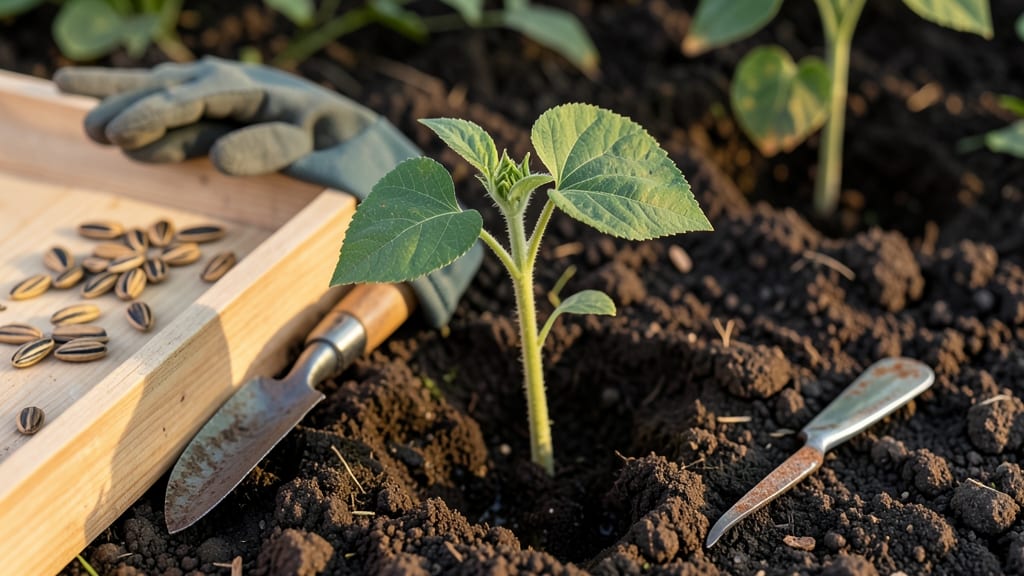
Planting sunflowers in Georgia at the wrong time can mean the difference between towering 🌻 blooms and wilted disappointment. The key isn’t just avoiding frost—it’s understanding how Georgia’s 7b-8b climate demands precise timing to beat humidity and heat stress.
Most gardeners in Georgia rush to plant sunflowers as soon as the ground thaws, but that’s a recipe for moldy seedlings. Instead, wait until mid-March to early May after the last frost (usually around March 15), when soil temperatures hit 55°F or warmer.
For a second harvest, late July to early August works too—just be ready for summer’s intensity.
Why does this matter? Sunflowers thrive in Georgia’s long growing season, but they need 60–120 days to reach harvest. Plant too early, and you’ll lose them to fungal diseases; too late, and your blooms may never mature before the first frost.
I’ll show you exactly how to time it right for your zone—and which varieties handle Georgia’s heat best.
Let’s break it down by zone, so you can plant with confidence and enjoy those 10-foot-tall sunflowers from August through October. Ready to transform your garden?
Georgia sunflower planting dates by hardiness zone (7a-8b)
Georgia’s climate—hot summers, mild winters, and high humidity—means sunflowers thrive here, but timing is critical. The Peach State spans USDA zones 7a-8b, with last frost dates ranging from late February to early April and first frost arriving between late October and early December.
To maximize blooms, focus on planting after the last frost or in late summer for fall displays.
For spring planting, aim to sow seeds 2-4 weeks after your average last frost date. In zone 7a (northwest Georgia), this typically means mid-to-late April, while zone 8b (south Georgia coast) gardeners can start as early as mid-March.
Fall planting is also possible—sow seeds 8-10 weeks before your first frost (usually late July to early August).
Sunflowers are fast growers, reaching maturity in 60-120 days depending on the variety. This means you can often squeeze in two planting cycles per year—spring and fall—if you choose early-maturing varieties like Autumn Beauty or Teddy Bear.
🌻 Georgia Sunflower Planting Guide by Zone
| Zone | Spring Planting Window | Fall Planting Window | Key Considerations |
|---|---|---|---|
| 7a (Northwest GA) | Mid-April to early May | Late July to early August | Cooler nights; watch for late frosts. Use row covers if needed. |
| 7b (Central GA) | Late March to mid-April | Early to mid-August | Moderate humidity; prioritize well-draining soil. |
| 8a (South GA) | Mid-to-late March | Late July to early September | Warmer soil; ideal for heat-tolerant varieties. |
| 8b (Coastal GA) | Early March to early April | Early August to mid-September | Higher humidity; space plants for airflow. |
Soil temperature is another critical factor. Sunflower seeds germinate best when soil reaches 55-65°F. In Georgia, this typically aligns with late March to early April for most regions.
Use a soil thermometer to confirm—if temps are below 55°F, wait a few more weeks or use a seedling heat mat for faster germination.
For container growing, start seeds indoors 4-6 weeks before your last frost date using biodegradable pots to avoid transplant shock. Move containers outdoors once nighttime temps stay above 50°F. Containers dry out faster, so monitor soil moisture closely during Georgia’s hot, dry summers.
Pro tip: If you’re growing giant sunflowers (like Mammoth varieties), plant them 1-2 weeks earlier than dwarf varieties. Giants need longer to establish their deep root systems before facing summer heat. Stake them early to prevent wind damage from Georgia’s occasional summer storms.
Don’t overlook succession planting! Sow a new batch of seeds every 2-3 weeks during your planting window to ensure continuous blooms. This works especially well for cut flower production or attracting pollinators like bees and butterflies all season long.
Finally, remember that Georgia’s humidity can lead to powdery mildew if plants are crowded. Space seeds 6 inches apart in rows 2-3 feet apart to improve airflow. Thin seedlings to 12-18 inches apart once they’re 4-6 inches tall for healthier, stronger stems.
With these zone-specific dates and tips, you’ll be well on your way to growing show-stopping sunflowers that bring color and life to your Georgia garden—no matter where you are in the state! 🌻
Georgia sunflower planting dates by hardiness zone (7a-8b)
Georgia’s diverse climate—spanning USDA zones 7a to 8b—means sunflower planting windows vary by region.
In northern Georgia (zone 7a), wait until mid-April after the last frost (typically late March). Central Georgia (zone 7b) gardeners can start as early as late March, while southern Georgia (zone 8b) enjoys a longer season, allowing planting from February to early May.
Coastal areas may even push planting into early January for early blooms.
For fall planting, aim for late July to early August in all zones. This ensures sunflowers mature before first frost (October–November) and provides stunning late-season color. Fall-planted sunflowers often thrive better in Georgia’s heat, avoiding the humidity-related mold risks of spring.
🌱
| Zone | Spring Planting Window | Fall Planting Window | Key Consideration |
|---|---|---|---|
| 7a (North GA) | Mid-April to early May | Late July to early August | Wait for soil temps above 60°F |
| 7b (Central GA) | Late March to early April | Late July to mid-August | Avoid soggy spring soil |
| 8a-8b (South GA) | February to early May | Early July to late August | Extended growing season |
🌻 Pro Tip: Use a soil thermometer to confirm temps are above 55°F before planting.
In coastal Georgia (e.g., Savannah, Brunswick), humidity demands extra caution. Plant dwarf varieties like 'Teddy Bear' in March to avoid fungal diseases, while inland areas (e.g., Atlanta, Athens) can handle taller varieties like 'Mammoth' planted in April. Always choose disease-resistant seeds labeled for humid climates.
For succession planting, sow seeds every 2–3 weeks from April to June. This ensures continuous blooms through fall and maximizes your garden’s pollinator appeal. In zone 8b, you can even plant a second fall crop in September for winter interest.
💧 Watering Alert: After planting, keep soil consistently moist (not soggy) for 2–3 weeks to encourage germination. Once established, sunflowers tolerate drought, but Georgia’s summer heat requires deep watering 1–2 times per week.