
Plants
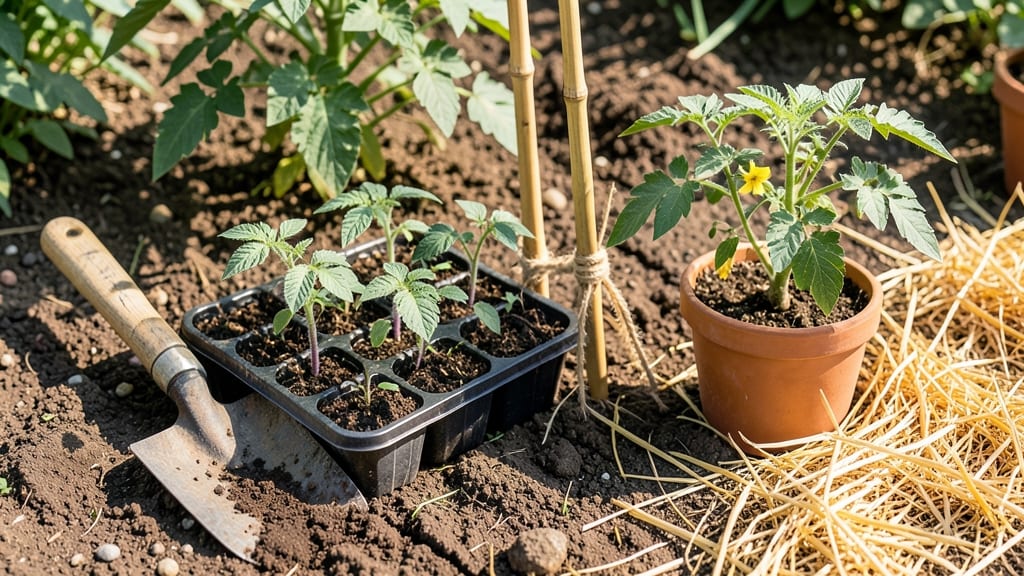
Timing when do you plant tomatoes in Illinois isn’t just about checking a calendar—it’s about avoiding the heartbreak of frost-nipped seedlings or bitter, bolted fruit before harvest. With USDA zones 5-6 and unpredictable spring weather, even experienced gardeners can misjudge the perfect window between April 15 and May 31.
You’ve probably heard the rule: wait until after the last frost. But here’s the catch—soil temperature matters just as much. Planting too early when the ground is still chilly (below 60°F) stalls growth, while waiting too long cuts your harvest short.
I’ll show you exactly how to read your local frost dates and soil cues to get your 🍅 off to a running start.
Whether you’re starting seeds indoors or transplanting seedlings, the right timing can mean the difference between a bumper crop and a backyard disappointment. Let’s break down the science behind Illinois’ planting windows and how to adjust for your specific microclimate—so you can enjoy homegrown tomatoes from July through October.
Ready to skip the guesswork? I’ll walk you through the 3 key factors that separate successful tomato growers from those who end up replanting—or worse, giving up. No more wasted effort, just juicy rewards.
Illinois planting zones: exact dates to avoid tomato bolting and frost damage
Timing your tomato planting in Illinois isn’t just about memorizing a calendar date—it’s about understanding your USDA zone, last frost dates, and soil temperature thresholds.
Illinois spans zones 5-6, with northern areas (like Chicago) typically in zone 5 and southern regions (like St. Louis) in zone 6. These zones dictate when you can safely plant without risking frost damage or tomato bolting (premature flowering).
For most of Illinois, the average last frost date falls between April 15 and May 1, but this varies by region. Northern Illinois (zone 5) usually waits until mid-to-late May, while southern Illinois (zone 6) can start as early as early April for heat-loving varieties.
The key is ensuring soil temperatures reach at least 60°F—tomatoes won’t thrive in colder soil.
Here’s the breakdown you need: direct-sown seeds should go in the ground 2-3 weeks after your last frost date, while transplanted seedlings (purchased or home-grown) can handle slightly cooler soil and can go in 1-2 weeks earlier. This timing ensures your plants establish roots before summer heat arrives.
Microclimates—like urban heat islands or sheltered garden spots—can shift these dates by 1-2 weeks. For example, a south-facing garden in zone 5 might warm up faster than a shaded northern exposure. Always monitor local forecasts and use a soil thermometer to confirm readiness.
If you’re starting seeds indoors, begin 6-8 weeks before your last frost date. For zone 5, that means mid-February to early March, while zone 6 gardeners can start late February to early March.
Use grow lights to provide 12-16 hours of light daily—tomatoes need plenty of light to avoid leggy, weak seedlings.
Pro tip: Use biodegradable pots for seedlings to avoid transplant shock. Harden off your seedlings by placing them outdoors in a sheltered spot for 1-2 hours daily starting 1 week before transplanting. This gradual adjustment helps them adapt to outdoor conditions and reduces stress.
For gardeners in zone 5, consider using row covers or cold frames to extend your growing season. These can push your planting window 2-3 weeks earlier by protecting young plants from late frosts. Just remove the covers once flowers appear to prevent heat buildup and blossom drop.
Remember, tomatoes are frost-sensitive—even a light frost can kill young plants. Always have a backup plan, like a second planting of fast-maturing varieties (e.g., ‘Early Girl’) in late May or early June. This ensures a harvest even if your first planting faces setbacks.
Finally, track your local frost dates using resources like the Midwestern Regional Climate Center or your county extension office. These provide hyper-local data that’s far more accurate than general zone guidelines.
With the right timing, you’ll avoid the heartbreak of bolted tomatoes and enjoy a bountiful harvest from July through October.
How to time your tomato planting for maximum yield: soil prep and transplant tricks
Timing your tomato planting isn’t just about the calendar—it’s about soil readiness and transplanting techniques that prevent shock. In Illinois, soil temperature below 60°F can stall growth, while rushing seedlings into cold ground risks root rot or fungal diseases.
I’ve learned the hard way that even the hardiest tomato seedlings won’t thrive if the soil isn’t prepped correctly.
Start by testing your soil pH—tomatoes prefer 6.0–6.8. If your soil is too acidic, mix in lime 2–3 months before planting. For faster warming, use black plastic mulch or straw bales to raise soil temps by 10–15°F.
This trick is a game-changer for late-May plantings when nights are still chilly.
For seedlings, harden them off 7–10 days before transplanting by moving them outdoors for 2–4 hours daily, gradually increasing exposure. Plant deep—bury 2/3 of the stem to encourage root growth.
In Illinois, transplant after May 15 in most areas, but check your local frost dates (e.g., Chicago’s last frost is often mid-May, while southern Illinois may be 2 weeks earlier).
If frost threatens, use row covers or cold frames to extend your season by 2–4 weeks. I’ve saved entire crops by covering seedlings with floating row covers during late-spring cold snaps.
For direct-sown seeds, wait until soil is 70°F+—this is critical for germination and avoiding damping off.
Water deeply after transplanting to settle soil around roots, then mulch heavily with straw or grass clippings to retain moisture and regulate temperature. Avoid overhead watering—drip irrigation reduces disease risk and keeps foliage dry. In Illinois’ humid summers, this step alone can double your yield.
Pro tip: If you miss the ideal window, try container growing. Pots warm up faster and let you move plants to sunny spots or greenhouses if temps drop unexpectedly. Just ensure containers have drainage holes—root rot is the #1 killer of potted tomatoes.