
Plants
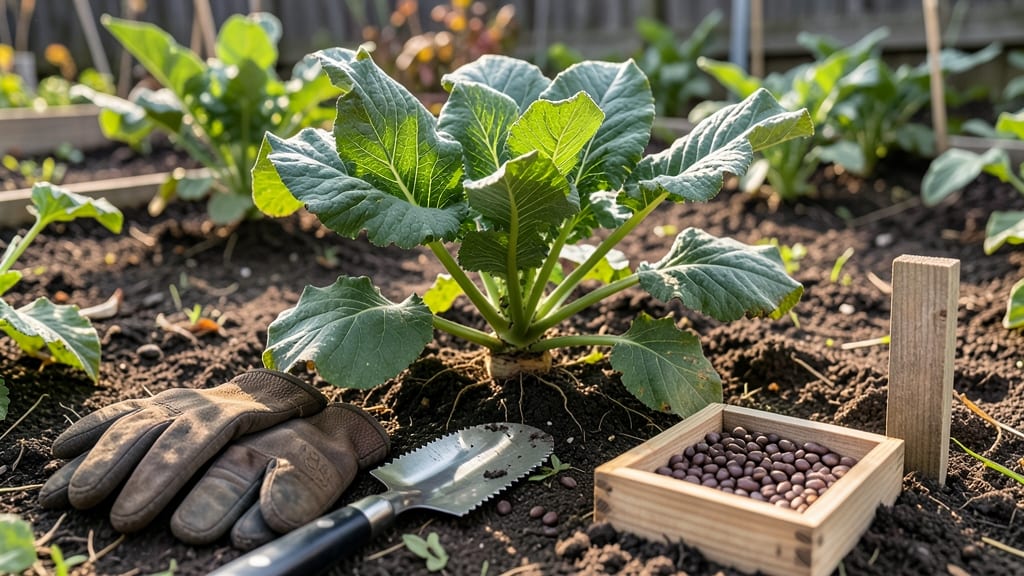
If you've ever wondered when to plant turnips in Georgia without ending up with bitter greens or wasted effort, timing is the secret weapon. Georgia's unique climate—where USDA zones 7b-9a stretch from mild winters to scorching summers—demands precise planting windows to avoid bolting or frost damage.
The key lies in two perfect opportunities: late July through August for a fall harvest, or February to March for spring. These windows give turnips 45-60 days of ideal growing conditions before Georgia's first frost hits in mid-November.
Miss this window, and you risk turnips sending up flowers instead of storing energy in those crisp, sweet roots you crave.
I've grown turnips in Georgia for years, and I can tell you firsthand that soil temperature matters just as much as calendar dates. Too warm, and your turnips bolt; too cool, and they rot.
We'll cover exactly how to read Georgia's climate signals—from soil thermometers to moon phases—and adjust your planting schedule for foolproof results.
Ready to master the art of turnip timing? Let's dive into the exact frost-free windows, soil prep secrets, and variety choices that will give you a continuous harvest from October through June—no bitter surprises included.
Georgia turnip planting calendar by hardiness zone (best months to avoid bolting)
Georgia’s USDA zones 7b-8a offer two perfect windows for turnip planting: late summer for fall harvests and early spring for spring harvests. Timing is critical—plant too early, and frost turns roots to mush; too late, and Georgia’s heat triggers bolting (flowering) before you harvest.
Let’s break down the exact months and soil conditions for each zone.
For fall turnips, aim to plant 4-6 weeks before your first frost (typically mid-November). In zone 7b, this means late July to early August; in zone 8a, extend to early September.
Spring plantings should start 4-6 weeks after your last frost (usually mid-April), so late February to March works best.
Soil temperature is just as important as air temperature. Turnip seeds need soil temps above 40°F (4°C) to germinate. In Georgia, this typically aligns with late July for fall and March for spring, but always check a soil thermometer before planting. Cold soil delays germination and invites rot.
Now, let’s compare the ideal planting windows side by side for Georgia’s zones. This comparison-table includes frost dates, soil prep tips, and bolting risks to help you pick the perfect timing for your location.
| Zone & Location | Fall Planting Window | Spring Planting Window | First Frost Date | Soil Prep Tip |
|---|---|---|---|---|
| Zone 7b (Athens, Macon) | Late July - Early August | Late February - Early March | Mid-November | Add compost; test pH 6.0-7.0 |
| Zone 8a (Savannah, Augusta) | Early August - Early September | Mid-February - March | Late November | Mulch after planting; avoid waterlogging |
| All Zones | 4-6 weeks before frost | 4-6 weeks after last frost | Varies by year | Plant seeds ½" deep, 1-2" apart |
Notice how zone 8a has a later frost date? That extra month in the fall lets you plant ‘Purple Top White Globe’ or ‘Tokyo Cross’ varieties until early September for a winter harvest.
In zone 7b, stick to late July to avoid early frosts ruining your roots. Pro tip: Use a frost calendar from your local Cooperative Extension Service for yearly updates.
For spring plantings, don’t rush—wait until soil temps stay above 50°F (10°C) at night. In Georgia, this usually means March, but a late frost can push it to April.
If you plant too early, turnips may linger in cold soil, leading to pithy (woody) roots. Always check a soil thermometer before committing to your spring schedule.
Bolting is your biggest enemy in Georgia’s heat. Turnips bolt when days get too long (14+ hours of daylight) or temps exceed 75°F (24°C).
To avoid this, choose heat-tolerant varieties like ‘Hollow Crown’ or ‘Golden Globe’, and plant in partial shade if summer temps climb above 85°F (29°C). Succession planting—sowing seeds every 2 weeks—also spreads out your harvest and reduces bolting risk.
One last tip: If you’re in zone 8a, you can even try a winter harvest! Plant ‘Tokyo Cross’ in early September and use row covers to protect from light frosts.
The roots will sweeten after frost, making them perfect for winter salads. Just be sure to harvest before hard freezes (20°F/-7°C) hit.
Now that you’ve got the perfect planting window, let’s talk about how to extend your Georgia turnip season for continuous harvests—because why stop at one crop when you can have turnips all year? 🥬
How to extend Georgia’s turnip growing season for continuous harvests (tips for fall/winter success)
Georgia’s mild winters let you grow turnips almost year-round—but only if you use the right tricks. The key is extending your frost-free window with simple tools and smart variety choices.
Without these strategies, your turnips will bolt early or freeze before reaching harvest size. Let’s break down how to keep them growing when temperatures dip.
First, choose cold-hardy varieties like ‘Tokyo Cross’ or ‘Purple Top White Globe’. These can tolerate light frosts (down to 25°F) without turning bitter. Pair them with row covers or low tunnels to add 5-10°F of protection during sudden cold snaps.
Even a floating row cover can delay frost damage by 2-3 weeks, giving you extra harvest time.
Don’t forget to adjust watering in winter. Turnips need less frequent watering (every 7-10 days) when growth slows, but soil should never dry out completely. Use a soaker hose to deliver moisture directly to roots without wetting the foliage, which can invite fungal diseases like downy mildew.
For spring plantings, start seeds indoors 4-6 weeks before your last frost date (mid-April in most of Georgia). Transplant seedlings outdoors in early February for an early spring harvest by late March.
This two-step method gives you a head start on the season and avoids the heat stress that causes bolting.
With these techniques, you can enjoy fresh turnips from September through April—no bolting, no frost damage, just crisp roots and tender greens all winter long. The secret? Plan ahead, protect your plants, and harvest strategically. 🥬