
Plants
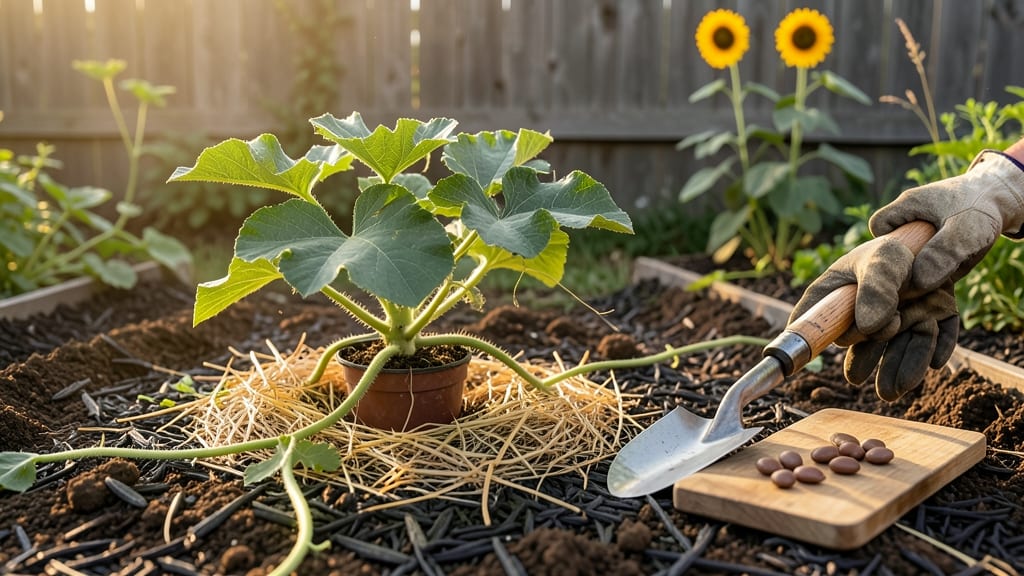
If you're dreaming of slicing into a homegrown 🍉 watermelon this summer, when do you plant watermelon in Missouri’s Zone 5b-6b climate demands precision timing. Planting too soon risks frost damage, while waiting too long could mean missing your sweet harvest entirely.
The key window for Missouri gardeners is mid-April to mid-May, but there's more to it than just dates. Soil temperatures must reach at least 70°F for proper germination, and regional differences between St. Louis and Kansas City can shift your ideal planting by up to two weeks.
Whether you're a first-time grower or seasoned gardener, getting this right makes all the difference. I'll walk you through exactly when to start seeds (indoors vs. outdoors), how to time transplants, and what to watch for as your vines spread across your garden.
Let's break down the perfect planting schedule so you can enjoy those first crisp bites of summer watermelon—without the guesswork. Your July-September harvest depends on getting these details right from day one.
Optimal watermelon planting dates in Missouri (Zone 5-6)
Missouri's climate—with its unpredictable spring frosts and hot summers—demands precise timing for watermelon success. Planting too early risks frost damage, while waiting too late may shorten your harvest window.
In Zone 5-6, the ideal planting window is mid-April to mid-May, but soil temperature matters more than calendar dates.
Watermelon seeds need soil temperatures above 70°F (21°C) to germinate properly. In Missouri, this typically aligns with late May in northern areas (like St. Joseph) and early May in southern regions (like Poplar Bluff).
Always check your local last frost date—St. Louis averages April 15, while Kansas City leans toward April 20.
For a head start, sow seeds indoors 3-4 weeks before your last frost date, using biodegradable pots to avoid transplant shock. Harden off seedlings for 7-10 days before transplanting after all frost risk has passed. Rural areas with microclimates (like river valleys) may warm faster, allowing earlier planting.
Missouri’s regional variations can shift planting by 1-2 weeks. Urban heat islands (e.g., Columbia) may warm sooner, while hilly areas (e.g., Branson) stay cooler longer. Use a soil thermometer to confirm readiness—70°F+ at 4-inch depth is non-negotiable.
If you miss the spring window, late June plantings can still yield fruit, but expect smaller melons due to shorter daylight. Avoid planting after July 15—watermelons need 70-90 days to mature, and Missouri’s first frost typically arrives October 15.
| Region | Last Frost Date | Optimal Planting Window | Soil Temp Requirement | Harvest Window |
|---|---|---|---|---|
| Northern MO (St. Joseph, Kansas City) | April 20 | Late May | 70°F+ (21°C) | Late July - Early Sept |
| Central MO (Columbia, Jefferson City) | April 15 | Early May | 70°F+ (21°C) | Mid-July - Mid-Sept |
| Southern MO (Poplar Bluff, Cape Girardeau) | March 25 | Late April | 70°F+ (21°C) | June - August |
| Urban Heat Islands (St. Louis, Springfield) | April 10 | Mid-April | 65°F+ (18°C) | Late June - Sept |
Missouri’s clay-heavy soils can delay warming, so amend beds with compost or aged manure 2-3 weeks before planting to improve heat absorption. Black plastic mulch raises soil temperatures by 5-10°F, extending the growing season in cooler areas.
For container growing, use black pots or place containers on dark-colored surfaces to mimic this effect.
Watch for early bolting (premature flowering) if seedlings experience temperature swings. Use row covers for the first 2 weeks post-transplant to protect young vines from late spring frosts, which are common even after the "official" last frost date.
In Zone 5b (northern MO), err on the side of planting later—June 1 is a safer bet than risking frost.
Pro tip: Plant fast-maturing varieties (like 'Sugar Baby') if you’re pushing the late-summer limit. These can reach harvest in 60-70 days, giving you a July-August crop even with delayed planting. Pair this with drip irrigation to maintain consistent moisture during Missouri’s unpredictable summer rains.
Missouri gardeners swear by planting near black walnut trees—their deep roots loosen clay soil, and the shade helps vines tolerate midday heat. Just avoid planting where walnuts have dropped juglone toxin, which stunts growth. For small spaces, try trellising compact varieties like 'Tiny Tim'
Optimal watermelon planting dates in Missouri (Zone 5-6)
Missouri’s Zone 5-6 climate demands precise timing for watermelon success. The last frost date typically falls around April 15 in most areas, but soil temperature is the real game-changer. Watermelon seeds need soil temps of 70°F (21°C) or warmer to germinate properly.
In St. Louis, this usually aligns with mid-to-late May, while Kansas City and rural areas may see suitable conditions 1-2 weeks earlier.
For a head start, you can sow seeds indoors 3-4 weeks before your last frost date, but transplanting seedlings too early risks shock and stunted growth.
Harden off seedlings by placing them outdoors for gradual exposure (2-3 hours daily) starting in early April to prepare for their mid-May transition.
| Region | Last Frost | Ideal Planting Window | Soil Temp Requirement |
|---|---|---|---|
| St. Louis | April 15 | Mid-May | 70°F+ (21°C+) |
| Kansas City | April 10 | Late April-Early May | 70°F+ (21°C+) |
| Rural Areas (e.g., Columbia) | April 5 | Early-to-Mid May | 70°F+ (21°C+) |
Missouri’s unpredictable spring weather can throw off even the best-laid plans. If nighttime temps dip below 50°F (10°C) after planting, use row covers or black plastic mulch to retain heat.
This is especially critical for seedlings, which are far more vulnerable than mature plants. Direct sowing after the last frost is often the safest bet for Missouri gardeners.
Pro tip: Use a soil thermometer to confirm readiness. If your soil hasn’t hit 70°F (21°C) by mid-May, wait it out—rushing leads to poor germination and weak vines. Patience pays off with sweeter, larger melons later in the season.
Once planted, watermelons thrive in Missouri’s long, hot summers, with harvests typically ready by July. However, late-planted vines may struggle with early autumn frosts, so aim to have fruits mature by early September.
If you’re in a shorter-season area, opt for faster-maturing varieties like 'Sugar Baby' (70 days) over longer-season types.
Don’t forget to mark your calendar for July 4th weekend—this is peak planting time for many Missouri gardeners aiming for a summer harvest.
By then, your soil should be consistently warm, and your plants will have a full 120-day growing season before the first frost hits in mid-October. 🌱