
Plants
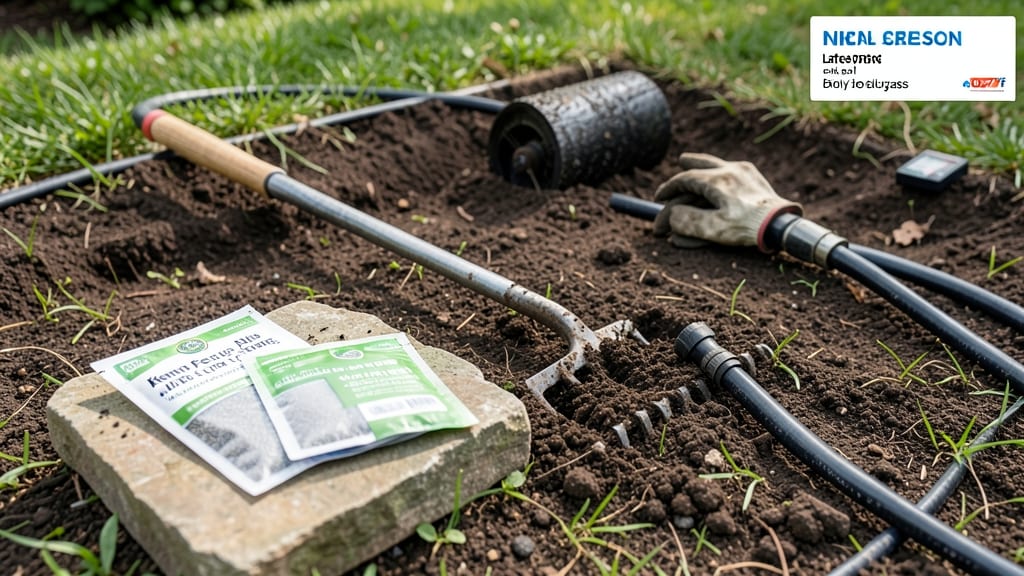
Timing your Grass (Lawn Grass) planting in Michigan isn’t just about grabbing seed—it’s about beating frost, outsmarting summer heat, and giving your lawn the fighting chance it deserves. One wrong move, and you’ll either watch your seedlings freeze or fry under 5b-6b zone conditions.
I’ve seen too many homeowners rush planting only to end up with patchy, struggling grass that takes years to recover.
The best time to plant Grass (Lawn Grass) in Michigan actually spans two windows: early spring (when soil warms to 50°F+) and early fall (before the first frost).
But here’s the catch—your exact deadline depends on whether you’re in the Upper Peninsula or Lower Michigan, where frost dates can vary by 3 weeks. Skip the guesswork and learn the precise soil and weather cues that tell you exactly when to plant for a thick, lush lawn.
Most gardeners focus on seed type, but the real game-changer is preparation. We’re talking soil tests, tilling at the right depth, and even adjusting for Michigan’s clay-heavy dirt. I’ll walk you through the step-by-step process to avoid common pitfalls—like planting during heatwaves or ignoring pH levels—that waste seed and money.
Ready to turn your lawn from a maintenance headache into a neighbor’s envy?
Whether you’re seeding a new yard or overseeding an old one, the 5-minute checklist I’m sharing will save you from costly mistakes. Let’s get your Grass (Lawn Grass) 🌱 off to the right start—no more second-guessing the calendar.
Michigan grass planting deadlines by zone: frost-free dates & soil temperature rules
Michigan’s USDA zones 4a-6b create wildly different planting windows—what works in Detroit (Zone 6a) fails in Marquette (Zone 4b). Cool-season grasses like Kentucky bluegrass and tall fescue thrive when soil hits 50-65°F, while warm-season Bermuda grass waits for 65-75°F.
Miss these deadlines, and you’ll battle frost damage or heat stress.
Most Michigan gardeners plant in April or September, but soil temperature—not the calendar—determines success. Use a soil thermometer ($10 at garden centers) to check depths of 2-4 inches. If it’s below 50°F, wait. If it’s above 75°F for warm-season grass, delay until fall.
Here’s your zone-by-zone planting timeline, including last-call dates before summer heat shuts down germination:
| Zone | Last Frost Date | Ideal Planting Window | Soil Temp Threshold | Last-Call Date |
|---|---|---|---|---|
| 4a (Upper Peninsula) | May 15 | Mid-May to early June | 50-60°F | June 15 |
| 5b (Northern Lower) | April 25 | Late April to mid-May | 50-65°F | May 30 |
| 6a (Southern) | April 10 | Early April to late April | 55-65°F | May 15 |
| 6b (Southeast) | March 25 | Late March to early April | 55-70°F | April 30 |
*Fall planting follows the same soil temp rules but aims for 6-8 weeks before first frost.
For warm-season grasses, Michigan’s last-call window is late August to early September. After that, summer heat and drought stress make germination nearly impossible. Cool-season grasses get a second chance in September, but stop planting by October 1—roots need 4-6 weeks to establish before winter.
Pro tip: Southern Michigan (Zones 6a-6b) can plant cool-season grass in February if soil isn’t frozen, but northern zones wait until April. Use black plastic mulch in early spring to warm soil faster—it can shave 2-3 weeks off your planting timeline.
Watch for Michigan’s "false springs". A 70°F day in March might tempt you, but frost can return in April. Plant 4-6 weeks before your zone’s last frost date to give seedlings time to develop deep roots before winter.
If you’re overseeding in fall, aim for September 1-15 in most zones. Northern Michigan pushes this to late August due to earlier frosts. Use a seed germination calculator (like Johnny’s Selected Seeds) to input your zip code for precise deadlines.
Remember: Michigan’s clay-heavy soils stay cold longer. If your soil feels damp and cool past the ideal window, wait. Rushing leads to poor germination and weed competition—two mistakes that cost more than delayed planting.
🌱
Signs your Michigan soil is ready for grass seed (beyond the calendar)
Michigan’s clay-heavy soils and unpredictable frost dates make it tricky to know when grass seed will thrive. Relying solely on the calendar can lead to seed waste or poor germination. Instead, watch for these field-tested soil readiness signs to avoid common mistakes and ensure your lawn takes root.
The sock test is my go-to trick for checking soil warmth. Bury a dark-colored sock in the ground for 24 hours—if it feels warm to the touch when pulled out, your soil is 50-65°F, perfect for cool-season grasses like Kentucky bluegrass or tall fescue.
This method beats guessing and aligns with Michigan’s USDA zones 5b-6b.
Weeds are another natural indicator of soil readiness. When dandelions and chickweed start sprouting, they signal that the ground has warmed enough for grass seed. These weeds thrive in 55-60°F soil, mirroring the ideal temperature range for seed germination. Pull them first—they’ll compete with your new grass!
Sign
What It Means
Soil feels warm and crumbly
Ready for planting (50-65°F)
Weeds like dandelions appear
Soil temp is 55-60°F (ideal for seeds)
Sock test shows warmth
Grass seed will germinate in 7-14 days
Earthworms are active
Soil is aerated and nutrient-rich
Moisture levels are just as critical as temperature. Press your finger 2 inches deep into the soil—if it’s damp but not soggy, your lawn is ready. Michigan’s spring rains can leave soil waterlogged, stalling germination.
If the ground feels muddy or sticky, wait a week or till the area to improve drainage before planting.
For clay-heavy soils common in Michigan, add compost or sand to loosen the texture. A simple scratch test works: Dig a small hole and fill it with water.
If it drains within 1-2 hours, your soil is ready. Slow drainage? Mix in 2-3 inches of compost and retest before seeding.
Finally, check the 10-day forecast. Even if your soil is perfect, a late frost can wipe out new seedlings. Aim to plant when nighttime temperatures stay above 50°F consistently.
In northern Michigan (USDA 4a-5a), this often means waiting until mid-May, while southern Michigan (USDA 6a-6b) can start as early as late April.
🌱