
Plants
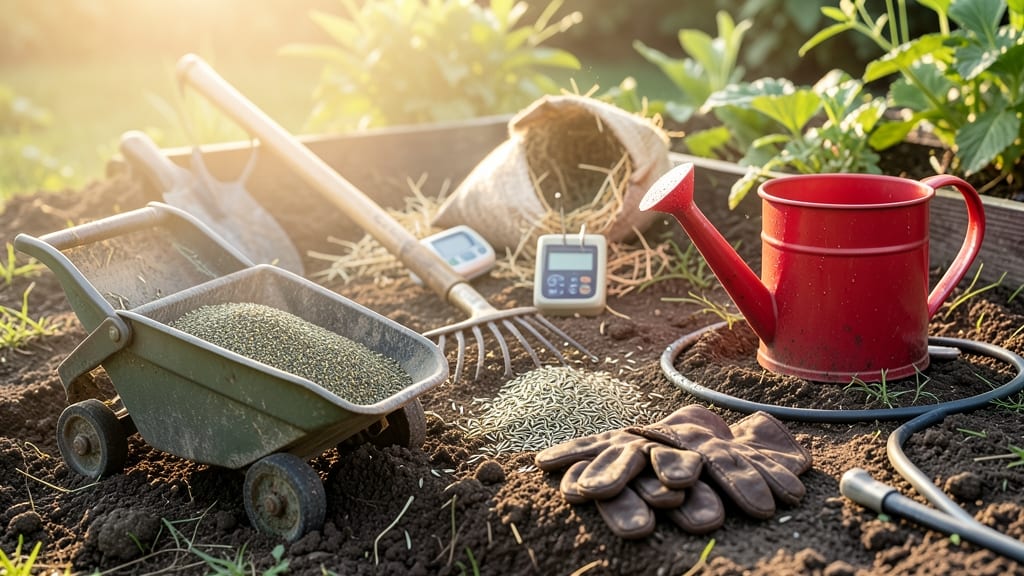
Planting your grass seed in spring at the wrong time can leave you staring at bare soil for weeks—even months—while neighbors enjoy vibrant green lawns.
The secret to fast germination lies in understanding your local climate and soil conditions, not just grabbing seed and tossing it out after the first warm day.
In Zone 6a, like many northern regions, the ideal window opens 4-6 weeks before your last frost date—typically early to mid-April—when soil temperatures consistently reach 50°F for cool-season grasses.
But timing isn’t just about dates; it’s about avoiding late frosts that can kill tender sprouts or summer droughts that dry out new roots before they establish.
I’ll walk you through exactly how to read your soil’s readiness, choose the right seed variety for your area, and use simple tricks to speed up germination by 30%.
Whether you’re patching bare spots or seeding a whole lawn, these steps will help you skip the guesswork and get that lush green carpet you’re dreaming of.
Ready to transform your yard? Let’s dive into the science-backed timeline and pro tips that’ll have your 🌱 grass thriving faster than you’d expect—no green thumb required.
Optimal soil temperature ranges for planting grass seed in spring
Getting your grass seed timing right in spring isn’t just about the calendar—it’s all about soil temperature. Seeds need warmth to germinate, but too much heat can stress them before they sprout. For cool-season grasses like Kentucky bluegrass or fescue, aim for soil temps between 40°F–55°F.
These varieties thrive when the ground is cool but not frozen, typically in early spring just as the frost danger passes.
On the flip side, warm-season grasses such as Bermuda or Zoysia prefer warmer soil, ideally between 65°F–75°F. Planting these too early can leave them vulnerable to late frosts, while waiting too long risks summer drought stress.
Check your local frost dates and adjust your schedule accordingly—this is your first clue for perfect timing.
🌱 Pro Tip: Use a soil thermometer to monitor temps. Plant when conditions align with your grass type’s needs—this small step can boost germination rates by 30–50%.
🌱 Grass Seed Soil Temp Guide
| Grass Type | Ideal Soil Temp | Best Planting Window | Key Caution |
|---|---|---|---|
| Cool-Season (Kentucky Bluegrass, Fescue) | 40°F–55°F | Early spring (4–6 weeks before last frost) | Avoid planting if frost is forecasted |
| Warm-Season (Bermuda, Zoysia) | 65°F–75°F | Late spring (after last frost, before summer heat) | Risk of drought stress if planted too late |
| Tall Fescue (Transition Zone) | 50°F–60°F | Early to mid-spring (adjust for zone) | Needs consistent moisture post-planting |
🌡️ Check soil temps daily with a thermometer for accuracy.
Your local climate plays a huge role here. In northern states like Minnesota or Maine (USDA Zones 3–5), cool-season grasses dominate, so planting in April or early May is ideal.
Meanwhile, in southern states like Texas or Florida (Zones 8–10), warm-season grasses should wait until May or June when soil is reliably warm.
Don’t overlook moisture levels either. Seeds need consistent dampness to germinate, but soggy soil can suffocate them.
Aim for 1 inch of water per week, either from rainfall or irrigation, and keep the top 1–2 inches of soil evenly moist until sprouts appear—usually within 7–21 days depending on the variety.
💧 Watering Hack: Use a sprinkler with fine mist to avoid displacing seeds while keeping them hydrated.
If you’re unsure about your soil temperature, a simple trick is to watch for dandelions or clover blooming nearby. Their appearance often signals that soil temps are rising into the 50°F–60°F range, perfect for cool-season grasses.
For warm-season types, wait until you see summer annuals like marigolds thriving—this usually means soil is warm enough.
Finally, avoid planting if late frosts are still in the forecast. A sudden freeze can kill young seedlings before they establish roots. Check your USDA Plant Hardiness Zone map and local weather reports for last frost dates—this is your golden rule for spring planting success.
✂️ Ready to Plant? Once soil temps hit the sweet spot, prepare your soil by removing debris, leveling the area, and adding a thin layer of compost for nutrients. Then, spread seeds evenly and lightly rake them in—depth matters: no deeper than ¼ inch for most varieties.
Spring planting timelines by USDA hardiness zones (with state-specific deadlines)
Planting grass seed in spring isn’t one-size-fits-all—your USDA hardiness zone dictates the perfect window. In northern zones (3-6), aim for April 15–May 15 after the last frost, while southern zones (8-10) can start as early as February 1–March 15 to avoid summer drought stress.
Each zone has unique risks: late frosts in Zone 4 or heat waves in Zone 9 can derail germination if you plant too early or late.
For example, gardeners in Zone 5 (Midwest) should wait until mid-April when soil temps hit 50°F, while Zone 7 (Southeast) can plant in early March to beat summer’s intense heat. Missing these windows often leads to patchy lawns or slow growth—so check your local frost dates and adjust accordingly.
🌱
To refine your timing, I recommend using the National Gardening Association’s frost calculator or checking your state’s agricultural extension service for hyper-local advice.
For instance, Texas gardeners in Zone 8b often plant in late February to avoid the brutal summer heat, while New Englanders in Zone 4a wait until mid-May to dodge late spring frosts.
Pro tip: If you’re in a transition zone (like Zone 7b), split your seeding into two batches—plant 20% in early March and the rest in late March—to hedge against unpredictable weather. This staggered approach ensures at least some seeds germinate successfully, even if one batch fails.
Finally, don’t overlook microclimates within your yard. South-facing slopes warm up faster than shaded areas, so adjust your planting schedule accordingly. For example, a shady spot in Zone 6 might need a 2-week delay compared to a sunlit patch.
✂️