
Plants
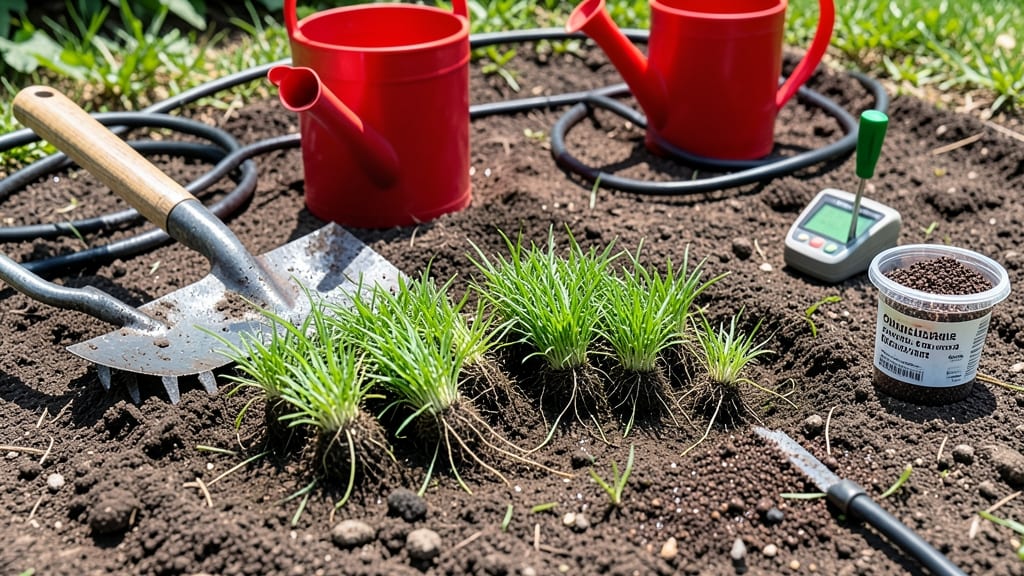
Planting Bermuda grass in Phoenix, AZ, at the wrong time can leave you with a lawn that struggles under the sun—if you wait too late, the heat will stifle growth before it even starts.
The key to a thick, vibrant lawn lies in understanding the exact window when soil temperatures and monsoon moisture align for success.
Unlike cooler climates, Phoenix’s 9b zone demands a different approach—planting too early risks frost damage (rare but possible), while waiting until summer means battling extreme heat. The sweet spot? Late spring to early summer, when temperatures hit 85°F+ and those welcome summer rains give roots a fighting chance.
I’ve tested this firsthand and found that March through May is your best bet, but timing isn’t the only factor. Proper soil prep, watering schedules, and choosing the right heat-resistant variety can make or break your lawn’s survival in Phoenix’s brutal summers.
Let’s break down the step-by-step strategy to plant Bermuda grass for a lawn that thrives year-round—no guesswork, just proven results tailored to Phoenix’s unique climate.
Best months to plant Bermuda grass in Phoenix AZ (avoid these mistakes)
Phoenix’s 110°F summers can turn even the hardiest grass into a crispy wasteland—but Bermuda grass thrives here because it’s bred for heat and drought. The key? Planting at the right time to avoid seed burn and leverage monsoon moisture for root growth.
Most gardeners fail by planting too late, missing the critical 60–85°F soil window.
In Phoenix, the ideal planting window is late February through early May, when daytime highs hit 80–95°F and monsoon rains are on the horizon. This gives seeds 4–6 weeks of warm soil before the July heatwave sets in.
Planting in August or September is a common mistake—seeds struggle to germinate in 100°F+ soil, leading to sparse, weak lawns.
Here’s the golden rule: Wait until soil temps are consistently above 60°F (use a soil thermometer to check). In Phoenix, this typically aligns with mid-March, but February can work if you’re using shade cloth to protect young sprouts.
The last safe window is early May, just before the monsoon season kicks in.
🌱 Bermuda Grass Planting Timeline for Phoenix
| Month | Soil Temp (°F) | Planting Window | Key Considerations |
|---|---|---|---|
| February | 60–75°F | Early (with shade) | Risk of late frosts (rare but possible); use shade cloth. |
| March | 75–85°F | Prime time | Soil is warm; monsoon prep begins. |
| April | 85–95°F | Still ideal | Increase watering; watch for weeds. |
| May | 95–105°F | Last chance | Monsoon rains help germination; avoid August+. |
| June–August | 105°F+ | Avoid | Seeds burn; poor germination rates. |
💡 Pro Tip: Use a soil thermometer to confirm temps—don’t guess!
If you miss the spring window, don’t panic—Bermuda grass can also be planted in late summer (August–September), but success depends on monsoon rains. The grass goes dormant in winter, so fall planting isn’t recommended unless you’re overseeding a thin lawn.
For new lawns, spring is non-negotiable for thick, lush growth.
Phoenix’s sandy soil drains fast, so deep watering is critical after planting. Aim for 1–1.5 inches of water 2–3 times per week until germination (about 10–14 days).
Once established, Bermuda grass drought-tolerant but needs deep soakings to prevent shallow roots. Avoid light, frequent watering—it encourages weeds and fungal growth.
Another critical mistake is over-fertilizing too early. Use a starter fertilizer (high in phosphorus) at planting, but hold off on nitrogen-heavy feeds until 4–6 weeks later. In Phoenix, April is the best month for first feeding, as the grass shifts into active growth mode.
Too much nitrogen in hot weather can burn roots.
For best results, pair planting with pre-emergent herbicide to block weeds. Apply it 2 weeks before seeding and again 4 weeks after germination. This is non-negotiable in Phoenix, where crabgrass and clover thrive in disturbed soil.
Without weed control, your Bermuda grass will compete with invasive species for water and nutrients.
Finally, mow high once the grass reaches 3–4 inches—this shades the soil, retains moisture, and encourages dense growth. In Phoenix, first mowing usually happens 6–
Best months to plant Bermuda grass in Phoenix AZ (avoid these mistakes)
Phoenix’s extreme heat and low humidity make timing critical for Bermuda grass success. Planting too early risks late frost (rare but possible), while waiting too long means battling intense summer heat that can shock young seedlings.
The sweet spot is late spring when soil temperatures hit 85°F+—perfect for rapid root establishment.
Most Phoenix gardeners swear by March and April as the ideal window. This aligns with the city’s monsoon season, which provides natural irrigation while keeping temperatures manageable. Avoid August planting at all costs—even drought-resistant Bermuda grass struggles to recover from 110°F+ soil during peak summer.
Here’s the golden rule: Plant when soil temps are consistently above 85°F and daytime highs stay below 105°F. Use a soil thermometer to check—this is non-negotiable in Phoenix’s climate. Skipping this step often leads to stunted growth or seedling death within weeks.
| Planting Window | Soil Temp | Phoenix Climate Tip |
|---|---|---|
| Late February | 65-75°F | Risky—wait for consistent 70°F+ nights |
| March-April | 85-95°F | Optimal—aligns with monsoon prep |
| May | 95-105°F | Possible but shade seedlings until established |
| August-September | 110°F+ | Avoid—seedlings will bake |
For sod installation, the window narrows further to March-April only. Sod requires immediate root establishment, and Phoenix’s sandy soil drains too quickly in summer. Sprinkler systems must be running 24/7 for the first 2 weeks post-install to prevent dehydration.
Pro tip: Schedule sod delivery for a cool morning to reduce heat stress.
Fall planting is a common myth in Phoenix—Bermuda grass goes dormant in winter, not active. If you miss spring, your only option is overseeding in late October with a cool-season grass like ryegrass, but Bermuda won’t recover until spring. This two-step process is labor-intensive but works for year-round green lawns.
Remember: Phoenix’s altitude (1,100 ft) and low humidity create microclimates. If your yard has shade from palm trees or south-facing walls, plant 2-3 weeks earlier than the general guideline. Test soil moisture daily—sandy soil dries out in hours, not days.