
Plants
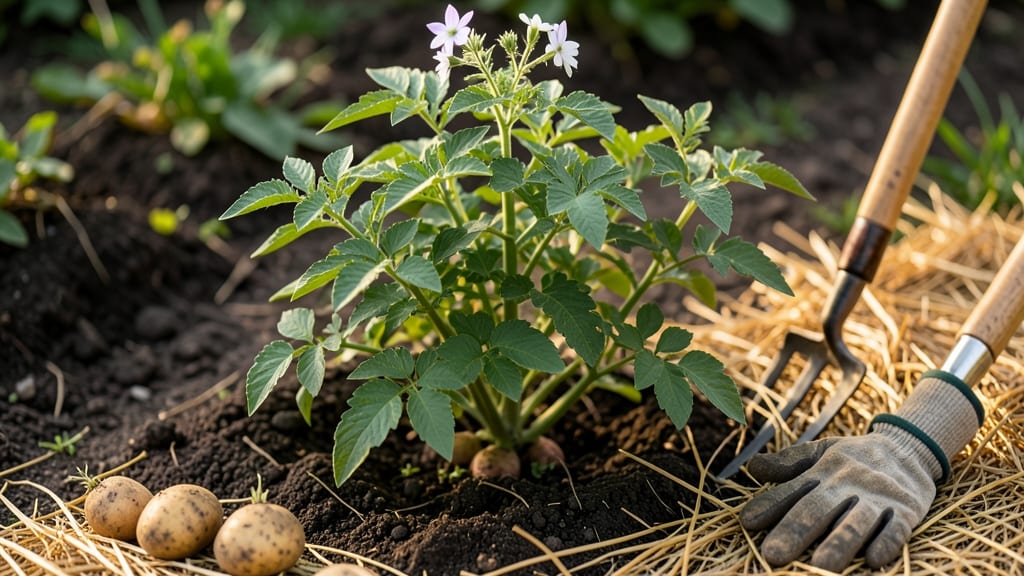
North Carolina potato planting calendar: soil temperature rules to prevent bolting
North Carolina’s diverse climate—from the Coastal Plain to the Mountains—means potato planting times vary dramatically. The key to avoiding early bolting (when potatoes flower too soon) is planting when soil temperatures hit 50-60°F.
In most of NC, this window opens in late February to early March for early varieties, but timing shifts 2-4 weeks later in higher elevations.
For seed potatoes (not store-bought), wait until soil reaches 45°F—they’re hardier and can handle slightly cooler temps. Store-bought tubers need warmer soil (50°F+) to prevent rot. Use a soil thermometer to check depth (4-6 inches down), as surface temps can mislead you.
Here’s the NC planting calendar broken down by region, using average last-frost dates and soil warming patterns:
| Region | Ideal Planting Window | Soil Temp Goal | Last Frost Risk | Notes |
|---|---|---|---|---|
| Coastal Plain (e.g., Wilmington, Fayetteville) | Mid-February to early March | 50–55°F | Low (avg. last frost: Feb 15) | Plant Irish Cobbler or Red LaSoda for early harvests. |
| Piedmont (e.g., Raleigh, Charlotte) | Late March to early April | 55–60°F | Moderate (avg. last frost: March 15) | Best for Yukon Gold and Kennebec varieties. |
| Mountains (e.g., Asheville, Boone) | Early to mid-April | 50–55°F (cooler microclimates) | High (avg. last frost: April 15) | Use late-blooming varieties like Russet Burbank. |
| All Regions (Succession Planting) | Every 2–3 weeks until June | 50°F+ | None | Extend harvests with late-season varieties like Purple Viking. |
Pro tip: In unpredictable NC springs, use row covers to warm soil faster or plant under black plastic mulch 2–3 weeks earlier. This trick adds 5–10°F to soil temps overnight, accelerating growth.
If you’re planting store-bought potatoes (not seed potatoes), cut them into 1.5-inch chunks with at least 2–3 eyes each. Let them cure in sunlight for 3–5 days before planting to prevent rot. This step is critical in NC’s humid climate.
For organic gardeners, avoid synthetic fertilizers at planting time—they can overstimulate growth and trigger bolting. Instead, mix in compost or well-rotted manure 2–3 weeks before planting to feed soil microbes naturally.
Watch for false starts: If a warm spell hits but nights stay cold (below 40°F), potatoes may sprout above ground but rot underground. Use straw mulch to insulate soil and protect tender sprouts.
In Coastal NC, where humidity is higher, choose disease-resistant varieties like Adirondack Red or Katahdin. These hold up better to late blight, a fungal disease that thrives in NC’s damp springs.
Remember: Soil temperature > air temperature. Even if your thermometer shows 70°F outside, soil may still be too cold for potatoes. Test it—don’t guess! 🥔
3 Critical soil temperature tricks to outsmart early bolting in NC gardens
North Carolina’s unpredictable spring weather can turn your potato dreams into bolting nightmares. Early bolting—when plants flower prematurely—robs you of tubers and stunts growth. The key? Soil temperature control. Unlike many crops, potatoes thrive when soil hits 50-60°F, but NC’s coastal, piedmont, and mountain zones vary wildly.
Let’s fix that with three science-backed tricks to delay bolting and extend your harvest window.
First, stratify your seed potatoes in cold storage for 2-4 weeks before planting. Place them in a paper bag in your fridge’s crisp drawer (not freezer!). This mimics winter conditions, slowing early sprouting. Pro tip: Use certified disease-free seed potatoes—they’re already tested for bolting resistance.
For tubers, cut them into 2-ounce chunks with at least two eyes each, then let them scar over for 24 hours before planting. This hardening process buys you 10-14 extra days before bolting kicks in.
🌱 3 Soil Temp Tricks to Delay Bolting
- 1. Cold Stratification: Store seed potatoes at 35-40°F for 2-4 weeks before planting.
- 2. Mulch Magic: Apply 4-6 inches of straw after sprouts emerge to keep soil 10°F cooler.
- 3. Shade Cloth: Use 30% shade cloth for 2 weeks post-planting to slow growth.
Second, mulch like a pro to regulate soil temperature. After planting, cover beds with straw or black plastic to trap heat during the day and release it slowly at night. Avoid grass clippings—they mat down and trap too much moisture, accelerating bolting.
For Coastal Plain regions, where soil warms faster, use black plastic mulch to delay germination until mid-April. In the Piedmont and Mountains, stick with straw mulch—it keeps soil 5-10°F cooler longer, giving you a 3-week extension before bolting risk spikes.
Third, choose your varieties wisely based on your zone. Early maturing varieties like ‘Yukon Gold’ (90 days) or ‘Red Norland’ (80 days) bolt faster in warm soil, while late-season types like ‘Kennebec’ (110 days) tolerate higher temps.
For Coastal NC, plant ‘Sweetheart’ potatoes—they’re bolt-resistant and thrive in warmer, sandier soils. In the Mountains, ‘Kennebec’ shines because it handles cooler, shorter seasons without bolting. Pro move: Plant a mix of early, mid, and late varieties to stagger harvests and minimize bolting losses.
Don’t forget to monitor soil temperature with a cheap soil thermometer ($10 at garden centers). Plant when temps hit 50°F consistently—this is your golden window for NC.
If temps rise above 60°F, your potatoes will bolt in 7-10 days. Action step: Set a reminder to check soil temps weekly in March and daily in April—timing is everything!
By mastering these soil temperature tricks, you’ll outsmart NC’s bolting risks and enjoy bigger yields with fewer wasted tubers. Start with cold stratification, then mulch and variety-select like a local expert. Your future harvest will thank you—no more bolting disasters! 🌱🥔