
Plants
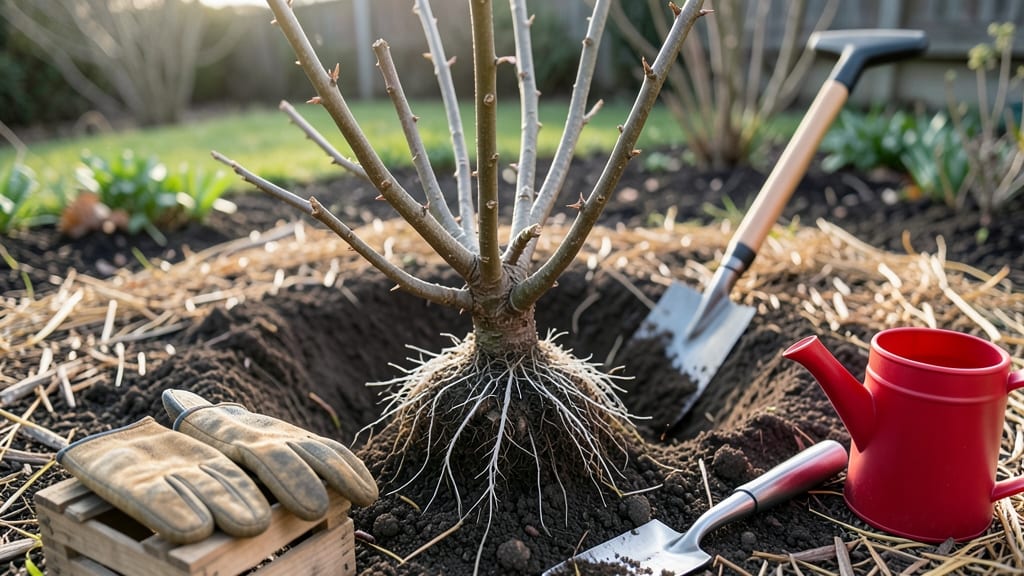
Planting roses in Arizona isn’t just about picking the right variety—it’s all about timing. The scorching summers and mild winters mean your 🌹 could either take root beautifully or struggle from day one if you plant at the wrong time.
Most gardeners know spring is ideal, but in Arizona’s Zone 9b, late fall and winter are actually the sweet spot. Between November and February, the cooler temps and lower humidity give your roses the best chance to establish strong roots before summer’s brutal heat arrives.
Why does this matter? Because planting in the summer heat can shock your roses, leading to weak growth or even death. I’ll show you exactly how to leverage Arizona’s unique climate—whether you’re in Phoenix, Tucson, or the high desert—to get those blooms thriving all season long.
Ready to transform your garden? Let’s dive into the best months, heat-resistant varieties, and pro tips to make your roses the star of your yard—without the stress.
Best months to plant roses in Arizona’s climate Zones (with exact timing)
Arizona’s climate varies dramatically from the low desert (Phoenix, Tucson) to high desert (Flagstaff, Prescott) and mountain regions (Sedona, Flagstaff). These differences mean your optimal planting window depends on where you live.
In the low desert (USDA Zones 9b-11), extreme summer heat makes planting in June-August deadly for roses. Meanwhile, high desert (Zones 7b-9a) and mountain areas (Zones 6b-7a) have cooler temperatures, allowing for slightly more flexibility.
For best results, focus on late fall through early spring—specifically November through February. This timing lets roses establish deep root systems before Arizona’s brutal summer heat arrives. Planting during these months also aligns with the natural dormancy period of roses, reducing stress on newly transplanted plants.
Here’s a breakdown of the ideal planting months for each Arizona climate zone, including key considerations for soil prep and watering:
| Climate Zone | Best Planting Months | Soil Prep Tip | Watering Adjustment |
|---|---|---|---|
| Low Desert (Phoenix, Tucson) | November–February | Amend with compost + sand for drainage | Deep watering every 7–10 days |
| High Desert (Flagstaff, Prescott) | October–March | Add organic matter for moisture retention | Water every 5–7 days (cooler temps) |
| Mountain Regions (Sedona, Flagstaff) | April–May or September–October | Test pH (6.0–6.5 ideal) | Water every 3–5 days (higher elevation) |
In the low desert, temperatures drop below 70°F at night in November, creating ideal conditions for root growth. By February, days start warming up, but the soil remains cool enough to prevent transplant shock.
If you’re in Phoenix or Tucson, avoid planting after March 15—the heat ramps up quickly, and young roses struggle to adapt.
For high desert areas like Flagstaff, you can push planting slightly earlier—October is safe because nights are cool, and the soil hasn’t baked yet. However, by April, the risk of late frosts (common in these regions) makes early spring planting risky.
Wait until after April 15 to be safe.
Mountain gardeners have the most flexibility due to cooler temperatures year-round. Planting in April–May or September–October works well. These regions also benefit from higher humidity and richer soil, which reduces the need for heavy amendments.
Just be mindful of elevation-specific pests, like rose slugs, which thrive in these areas.
No matter where you plant, bare-root roses are your best bet for Arizona’s climate. They establish faster than container-grown roses because their roots aren’t root-bound. If you must plant in container-grown form, do it in late winter (February) to give roots time to adjust before summer.
Pro tip: If you’re in a microclimate (like a shaded urban yard in Phoenix), you might extend planting into early March. Monitor local weather forecasts for heatwave warnings—if temperatures exceed 90°F for 3+ days, delay planting until cooler conditions return.
Finally, always mulch heavily (3–4 inches of organic mulch) after planting to retain moisture and regulate soil temperature. In Arizona’s dry climate, mulch is non-negotiable for survival.
Best months to plant roses in Arizona’s climate Zones (with exact timing)
Arizona’s diverse microclimates—from the low desert’s 110°F summers to the mountain regions’ cooler winters—demand precision when planting roses. The key is to establish roots before summer’s brutal heat or winter’s rare freezes. For most of Arizona, November through February is your sweet spot, but elevation changes everything.
Low desert areas like Phoenix and Tucson (Zones 9b-11) experience the harshest conditions. Here, planting in late fall (November-December) lets roses establish roots before the 100°F+ temperatures arrive. In contrast, high desert (Flagstaff, Sedona - Zones 7b-9a) can handle early spring (March-April) plantings, thanks to cooler nights.
Mountain regions (Zones 6b-7a) have a longer window—planting as late as May is possible if you choose heat-resistant varieties. However, even these areas benefit from fall planting to avoid summer’s intense sun.
| Zone | Best Planting Window | Why This Timing |
|---|---|---|
| Low Desert (9b-11) | November–December | Cool temps help root establishment before summer heat. |
| High Desert (7b-9a) | March–April | Soil warms enough for growth without extreme heat. |
| Mountains (6b-7a) | November–May | Longer growing season allows flexibility. |
For bare-root roses, which are most commonly sold, November is ideal across all zones. These roses arrive dormant and can be planted immediately, giving roots a head start. If you must plant in spring (March-April), choose container-grown roses to reduce transplant shock.
Avoid planting during Arizona’s monsoon season (July-August), when sudden downpours can drown roots, and peak summer (May-June), when temperatures often exceed 105°F. Even heat-tolerant varieties struggle to establish roots in these conditions.
Pro tip: Test your soil’s moisture before planting—it should feel like a wrung-out sponge. If it’s bone-dry, wait for rain or irrigate deeply 24 hours before planting to give roots a hydration boost.