
Trees
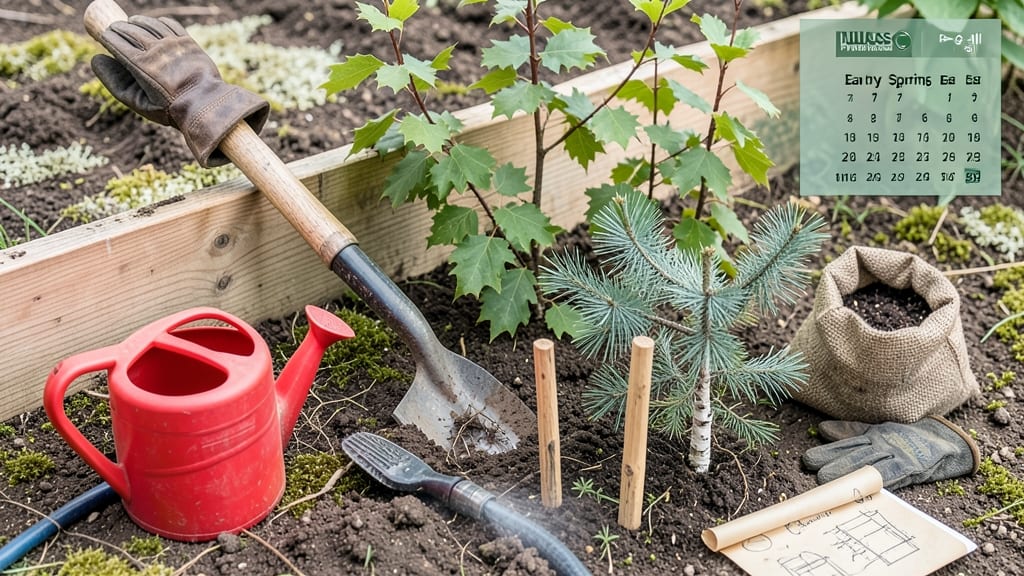
Timing your tree planting in Illinois can make the difference between a thriving 🌳 and a struggling one—so getting it right is everything. Whether you're planting for shade, curb appeal, or long-term growth, Illinois' climate zones (5-6) demand precision.
Fall (October-November) and early spring (March-April) are the golden windows for planting, but even then, soil temperature and frost dates play a critical role. Plant too early, and you risk frost damage; too late, and roots won’t establish before winter.
I’ll break down the exact deadlines for your region, plus how to prep soil and choose the right tree types for Illinois’ tricky balance of humidity and cold snaps. Let’s make sure your tree grows strong from day one.
From bare-root to container-grown, we’ll cover all the bases—so you can plant with confidence and watch your 🌳 flourish for decades.
Illinois planting zones & deadlines: when to plant trees by region (USDA Zones 5-6)
Illinois spans USDA Zones 5a through 6b, meaning your planting window can shift by 6 weeks depending on whether you're in Chicago (Zone 5a) or Carbondale (Zone 6b). The key factor? Soil temperature—roots need 45–65°F to establish before summer heat or winter frost strikes.
In northern Illinois, late frosts can linger until April 15, while southern Illinois often sees frost-free soil by March 20. This regional divide forces gardeners to choose between spring (April–May) and fall (September–October) planting, each with trade-offs.
Spring planting gives roots 6–8 weeks of warm soil before summer drought stress hits, but early starts risk late frosts damaging tender new growth.
Fall planting, on the other hand, lets trees establish roots in cool, moist soil—ideal for Zone 5a's shorter growing season—but must finish 6–8 weeks before first frost to avoid winter stress.
The sweet spot? Late April to mid-May for spring or mid-September to mid-October for fall, adjusted by 1–2 weeks based on your specific zone.
Pro Tip: Use a soil thermometer to confirm 50°F+ at 4–6 inches deep before planting. In Zone 6b, you might plant 2 weeks earlier than neighbors in Zone 5a—a small shift that can mean the difference between thriving roots and stunted growth.
| Zone (USDA) | Spring Planting Window | Fall Planting Window | Soil Temp Requirement (°F) | Key Risks |
|---|---|---|---|---|
| 5a (Northern IL: Chicago, Rockford) | April 15–May 15 | September 15–October 15 | 45–55 | Late frost, compacted soil |
| 6a (Central IL: Springfield, Peoria) | April 1–May 10 | September 1–October 10 | 50–60 | Drought stress, early freezes |
| 6b (Southern IL: St. Louis, Carbondale) | March 20–April 30 | August 20–September 20 | 55–65 | Humidity-related diseases |
For example, if you're in Chicago (Zone 5a), planting a white oak in late May risks summer drought before roots establish, while a silver maple planted in mid-October might not harden off before November frosts.
The 10-day buffer between the table’s windows accounts for unpredictable weather—always err on the earlier side if your area has a history of late frosts.
Local nurseries in Illinois often recommend fall planting for Zone 5a because it gives trees a head start on root growth before winter. However, container-grown trees (like dogwoods or redbuds) can be planted year-round except in freezing conditions, thanks to their protected root systems.
Bare-root trees, however, must go in the ground during their dormant season—late fall or early spring.
One critical mistake I’ve seen Illinois gardeners make? Ignoring microclimates. A south-facing slope in Zone 5a might warm up 2 weeks earlier than a north-facing yard, shifting your planting window.
Use local weather data (like NOAA’s frost maps) to fine-tune your timing—even a 3-day delay can stress young roots.
To test your soil’s readiness, stick a thermometer in the ground at 6 inches deep for 3 consecutive days. If temps hover around 50°F, it’s go time. In Zone 6b, you might hit this by mid-March, while Zone 5a gardeners often wait until mid-April.
This small difference explains why southern Illinois sees faster tree growth—their longer growing season gives roots more time to establish.
Remember: Fall planting is ideal for oaks,
Tree types that defy Illinois’ short planting windows: fast-growing & cold-hardy species
Not all trees are created equal when it comes to Illinois’ tight planting windows. Some species thrive even if you miss the ideal fall or spring deadlines, thanks to their fast root systems or cold-hardy traits.
For example, silver maples shoot roots aggressively in spring, while white oaks handle fall planting better due to their thick bark and deep dormancy. Choosing the right tree can mean the difference between a struggling sapling and a sturdy, long-lived shade provider.
If you’re planting outside the April–May or September–October windows, prioritize trees with high adaptability scores. These varieties tolerate soil temperature fluctuations and recover faster from transplant shock.
Native Illinois species like hackberry and redbud are excellent choices—they’re already adapted to the state’s USDA Zones 5–6 and handle brief delays in planting better than exotic imports.
Here’s how to match your tree to Illinois’ unpredictable weather: fast-growing species (like willows) need early spring planting to establish roots before summer droughts, while slow-rooting trees (like oaks) benefit from fall planting to avoid heat stress.
Bark thickness also matters—trees with thick bark (e.g., hickory) survive winter better if planted late.
For urban gardeners in Chicago or Rockford (Zone 5a), serviceberry is a top pick—it tolerates compacted soil and can be planted as late as mid-October without stress.
Meanwhile, southern Illinois gardeners (Zone 6b) should opt for sycamore, which handles the region’s humidity and can even be planted in late winter if soil isn’t frozen.
Always check the root flare (the swollen base of the trunk) before planting—burying it too deep is a common mistake that stunts growth.
Pro tip: If you’re planting in containers (not bare-root), you’ve got more flexibility—these trees can go in the ground year-round except in winter. Just water deeply after planting and protect young roots with 3–4 inches of mulch to retain moisture.
For bare-root trees, stick to the fall or early spring windows to avoid transplant shock.
Remember, even the hardiest trees need consistent moisture during their first year. In Illinois’ dry summers, newly planted trees may need deep watering every 7–10 days—don’t skip this step, even if the tree looks healthy. A well-chosen species + proper timing = a tree that thrives for decades. 🌳