
Plants
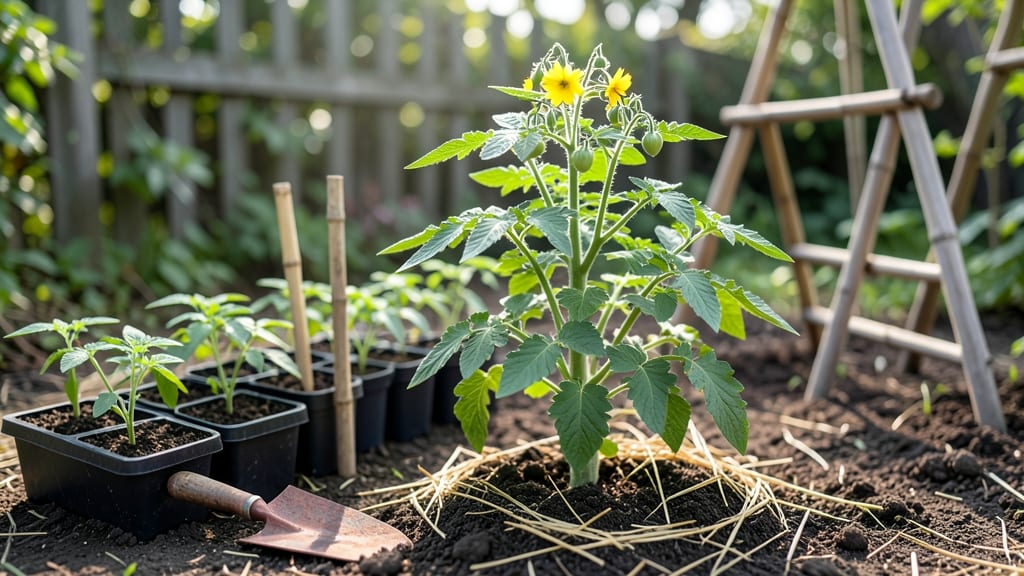
Timing when should you plant tomatoes in Pennsylvania isn't just about waiting for spring—it's about outsmarting the region's unpredictable frost dates and soil temperatures to guarantee a bountiful harvest.
With USDA zones ranging from 5b to 7a, getting those seeds in the ground too early can mean stunted plants, while waiting too long risks bolting before fruit sets.
Most gardeners in Pennsylvania aim to transplant seedlings outdoors between April 15 and May 15, but the exact window depends on your microclimate. Whether you're in Pittsburgh's cooler hills or Philadelphia's slightly warmer valleys, knowing when your last frost typically occurs is the key to success.
I'll break down the precise dates and soil prep tricks that keep your plants thriving from seedling to harvest.
What you'll discover isn't just about dates—it's about creating the perfect conditions for your tomatoes to flourish. From using black plastic mulch to warm the soil faster to mastering succession planting for continuous harvests, these strategies ensure you're not left with empty vines by summer's end.
Ready to transform your Pennsylvania garden into a tomato powerhouse? Let's dive into the zone-specific planting windows and local tips that make all the difference between a meager harvest and a garden overflowing with juicy, vine-ripened tomatoes all season long.
Pennsylvania planting zones & exact tomato transplant dates by region
Pennsylvania’s diverse climate—from the cool mountains of the north to the humid valleys of the south—means your tomato planting timeline should match your USDA zone and microclimate. Most of the state falls within zones 5b-7a, but even a 10-mile difference can shift your last frost date by weeks.
For example, Pittsburgh’s Zone 6b typically sees its last frost around April 20, while Philadelphia’s Zone 7a often warms up by April 10. Getting these dates wrong risks bolting (premature flowering) or frost damage.
To avoid these pitfalls, I’ll break down the exact transplant windows for Pennsylvania’s most common zones, using data from the Penn State Extension and local gardeners’ reports.
Whether you’re in the Poconos (Zone 5a), the Pittsburgh area (Zone 6b), or near Philadelphia (Zone 7a), these guidelines will help you plant tomatoes at the perfect time for your region.
📌 Pro Tip: Always check the 7-day forecast before transplanting. A late frost in May can wipe out young plants overnight—even in Zone 7.
| USDA Zone | Typical Last Frost | Ideal Transplant Window | Soil Temp Threshold | Notes |
|---|---|---|---|---|
| 5a (Poconos, NE PA) | May 5–15 | May 20–June 1 | 55°F+ | Use cold frames or row covers for earlier starts. |
| 6a (State College, Harrisburg) | April 25–May 5 | May 10–20 | 55°F+ | Black plastic mulch speeds up soil warming. |
| 6b (Pittsburgh, Lebanon) | April 15–25 | April 30–May 10 | 60°F+ | Hardier varieties like 'Early Girl' thrive here. |
| 7a (Philadelphia, Reading) | April 5–15 | April 20–May 5 | 60°F+ | Longer season—plant heat-tolerant varieties like 'Celebrity'. |
| 7b (Southeast PA) | March 30–April 10 | April 10–20 | 60°F+ | Early starts possible; succession plant for extended harvest. |
Data sourced from Penn State Extension and local gardening reports (2020–2023).
If you’re unsure about your zone, use the USDA Plant Hardiness Zone Map and cross-reference with Pennsylvania’s microclimate variations. For instance, a garden in Erie (Zone 6a) near Lake Erie might experience later frosts than a site in Lancaster (Zone 7a) due to lake-effect cooling.
To double-check, I recommend consulting the Penn State Extension’s frost date calculator or contacting your local county agricultural extension office.
For gardeners in Zone 5a or 6a, where springs are cooler, I suggest starting seeds indoors 6–8 weeks before your last frost date. Use grow lights to prevent leggy seedlings, and harden them off for 7–10 days before transplanting.
In warmer zones like 7a or 7b, you can even direct-sow seeds after April 15 if you’re using black plastic mulch to warm the soil faster.
Another critical factor is soil temperature. Tomatoes won’t thrive unless the soil is at least 55°F, but 60°F+ is ideal for root establishment. Use a soil thermometer to monitor—cold soil can stunt growth and increase disease risk.
If your soil is still chilly by the recommended transplant date, consider using a cold frame or row covers to create a warmer microclimate.
🌱 Remember: The goal is to transplant
How to time tomato planting for zero bolting risk in PA’s climate
Timing your tomato planting isn't just about avoiding frost—it's about hitting the 55°F soil temperature threshold that triggers healthy root growth.
In Pennsylvania, where spring temperatures can swing wildly, planting too early risks stunted seedlings, while waiting too long may cause your plants to bolt prematurely and focus on flowering instead of foliage.
The key is to align your transplant date with your region's last frost date plus 7-10 days of stable warmth.
For most of Pennsylvania's USDA zones 5b-7a, this means aiming for transplanting between late April and mid-May. However, cooler microclimates in the Poconos or Allegheny Mountains may need to wait until May 15, while urban areas like Philadelphia can often start as early as April 20.
The goal is to give your plants 60-70 days of warm weather before the first frost—typically around October 15.
🌱Pro Tip: Use a soil thermometer to confirm temperatures. Tomato roots struggle below 55°F, and cold soil can delay germination by weeks. If your soil isn't ready, consider using black plastic mulch or a cold frame to warm it faster.
These tricks can shave off critical weeks in Pennsylvania's short growing season.
To maximize your harvest and avoid bolting, start your seedlings indoors 6-8 weeks before your target transplant date. This means mid-March starts for most of Pennsylvania. Use grow lights to provide 14-16 hours of light daily, as natural daylight is still short in early spring.
Harden off seedlings for 7-10 days before transplanting by gradually exposing them to outdoor conditions during the day and bringing them back inside at night.
💡Science-Backed Strategy: If you're eager to plant early, use row covers or low tunnels to protect seedlings from late frosts. These can raise soil temperatures by 3-5°F and create a microclimate that mimics summer conditions. Just
For gardeners in Pennsylvania's Zone 7a (like parts of Chester County), you can even try succession planting every 2 weeks from May through June. This staggered approach ensures a continuous harvest and reduces the risk of all your plants bolting at once. Just be prepared to use row covers on the later plantings if cooler weather rolls in.
Finally, monitor your plants closely after transplanting. If they start showing signs of stress—like yellowing leaves or stunted growth—they may need more time to acclimate. In this case, hold off on fertilizing until they've established new roots, usually within 10-14 days.
A little patience now can mean the difference between a meager harvest and a garden bursting with tomatoes all summer long.