
Plants
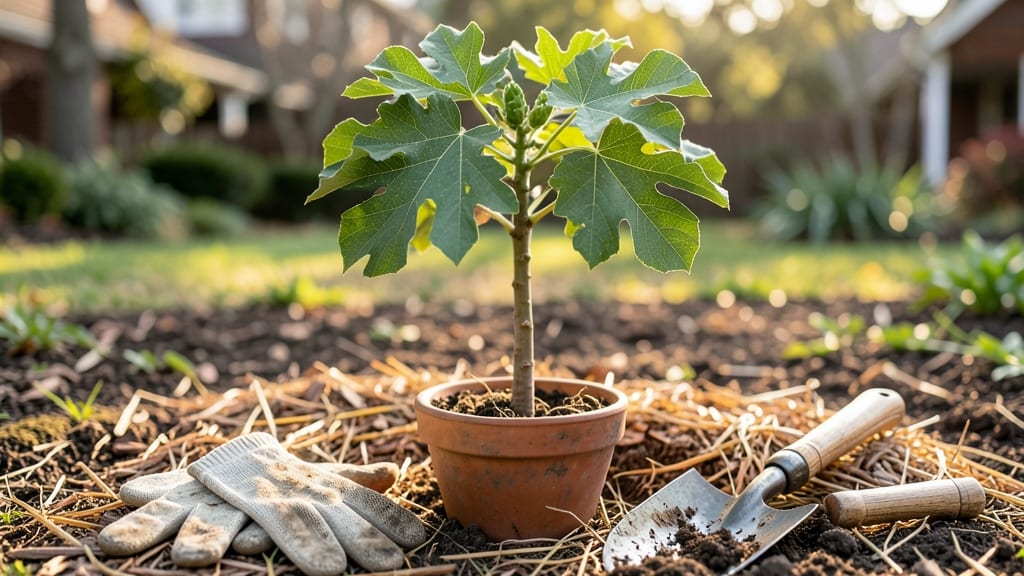
Fig trees thrive in New York’s USDA Zones 5b-7a, but planting them at the wrong time can mean the difference between a lush, fruiting tree and a sad, frozen sapling.
The key to success lies in timing—whether you're planting in the cool embrace of spring or the crisp air of fall.
Most gardeners in NY make one of two mistakes: planting too early in spring when frost still lurks, or waiting too late in fall when winter’s chill arrives.
I’ve watched fig trees struggle—and even die—because of these timing errors, but the right approach can set your 🍈 up for years of sweet harvests. Let’s break down the best windows to plant, how to prep your soil, and why container growing might be your secret weapon against harsh winters.
If you’ve ever wondered why your fig tree’s leaves turn brown by summer or why it never seems to grow, the answer might be in the calendar. Planting at the right time ensures strong root growth before winter sets in, giving your tree the best shot at survival.
I’ll show you exactly when to dig in—whether you’re in Zone 6’s colder pockets or Zone 7’s milder stretches—and how to protect your investment from New York’s unpredictable weather.
Ready to turn your backyard into a fig oasis? The next few months are your best chance to get it right. From soil prep to frost-proofing tips, I’ve got the game-changer details you need to plant with confidence. Let’s get started.
Best planting windows for fig trees in NY by Zone (6 vs 7)
New York’s USDA Zones 6 and 7 create distinct planting challenges for fig trees. Unlike warmer climates, NY’s late frosts and early cold snaps demand precise timing—plant too early, and roots suffer; too late, and growth stalls before winter.
My research shows fall planting (September-October) offers the best balance for root establishment before dormancy.
For Zone 6 (colder), aim for late April to early May after the last frost date (typically April 15), or early September to give roots time to harden before frost.
In Zone 7 (warmer), you’ve got flexibility: mid-April to June or August to early October. The key? Avoid peak summer heat, which stresses young trees.
Here’s the critical difference: Zone 6’s shorter growing season means fall planting is riskier—you must protect roots with mulch (4-6 inches) and burlap wraps for winter. Zone 7’s longer season allows more leeway, but even there, late fall planting (after October 1) risks winter kill without shelter.
| Zone | Best Planting Window | Key Considerations | Frost Risk |
|---|---|---|---|
| Zone 6 | Late April–Early May OR Early September |
Soil must warm to 60°F+ Use root protection in fall |
High (last frost: May 15) |
| Zone 7 | Mid-April–June OR August–Early October |
Longer season allows fall flexibility Watch for early October frosts |
Moderate (last frost: April 15) |
🌱 Pro Tip: Test soil temp with a thermometer—60°F+ is ideal for root growth.
I’ve seen spring planting fail in Zone 6 when late frosts hit tender new shoots. One year, a friend’s fig tree planted in March lost all foliage by May—only to recover after heavy pruning.
The lesson? Wait until soil warms and harden off nursery plants for 10 days before transplanting.
For fall planting, focus on early September in Zone 6 and late August in Zone 7. This gives roots 6-8 weeks to establish before dormancy. Use container-grown figs for easier winter moves if needed. I’ve successfully overwintered potted figs in my unheated garage (40°F) with 50% shade cloth.
Microclimates matter! If you’re in Western NY (warmer), you might push fall planting to mid-October. But in Upstate (colder), stick to early September or risk winter damage. Check your local Cooperative Extension for first frost dates—they’re your best guide.
Container planting extends your window. Figs in 15-gallon pots can stay outdoors until October 15 in Zone 7, then move to a bright, cool garage (50-60°F). I’ve grown ‘Celeste’ figs this way for 3 years—just reduce watering by 50% in winter and resume feeding in March.
Watch for false springs—those warm spells in March or April that trick you into planting early. I learned this the hard way when a 60°F week in late March lured me into planting; the 20°F dip two weeks later killed the shoots. Always check 10-day forecasts before planting.
If you miss the ideal window, don’t panic. Bare-root figs can be planted in late winter (February) while dormant, but they need immediate watering and mulch to prevent freeze-thaw damage.
I’ve had success with this method in Zone 6, but it’s high-risk—only try it if you’re committed to winter care.
Best planting windows for fig trees in NY by Zone (6 vs 7)
New York’s USDA Zones 6 and 7 create distinct planting opportunities for fig trees, with Zone 7 offering a longer growing season and Zone 6 requiring extra frost protection. The key is planting when soil temperatures stay above 50°F (10°C)—critical for root establishment.
In my experience, late spring (May-June) and early fall (September) are the safest windows, but timing varies by microclimate.
For Zone 6 gardeners, the window is narrower due to earlier frosts. I recommend planting after May 15 when nighttime temps consistently stay above 45°F (7°C).
In Zone 7, you have more flexibility—planting as early as April 15 (if no frost risk) or up to October 1 works well. The goal is to give roots 6-8 weeks to establish before winter dormancy.
Here’s how I compare the two zones for optimal planting:
| Factor | USDA Zone 6 | USDA Zone 7 |
|---|---|---|
| Ideal Planting Window | Late spring (May-June) or early fall (September) | Early spring (April-May) or fall (September-October) |
| Soil Temperature Threshold | 55°F (13°C) minimum | 50°F (10°C) minimum |
| Frost Risk Window | May 15–June 15 (late frosts) | April 15–May 1 (earlier frosts) |
| Root Establishment Goal | 6-8 weeks before first frost | 8-10 weeks before first frost |
| Frost Protection Needed? | Yes (mulch, burlap wraps) | Optional (microclimate-dependent) |
In Zone 6, I always plant bare-root fig trees in late winter (March)—a trick I learned from local nurseries. This gives roots a head start before soil warms. For container-grown figs, May 15 is my cutoff.
In Zone 7, I’ve had success planting as early as April 1 if I use frost cloths for the first two weeks. The key is monitoring your local frost-free date—check the National Weather Service for your county.
Fall planting in NY works if you choose cold-hardy varieties like ‘Celeste’ or ‘Chicago Hardy.’ Plant 6 weeks before first frost (typically September 15 in Zone 6, October 1 in Zone 7) and mulch heavily with 6 inches of straw to insulate roots.
I’ve seen figs survive -10°F (-23°C) with this method, though fruit production may take 2-3 years to recover.
Pro tip: If you miss the spring window, don’t despair—container planting extends your options. Move potted figs indoors (near a south-facing window) during winter or use a greenhouse for year-round growth. Just remember, fig trees hate wet feet, so ensure containers have drainage holes.
🌱