
Plants
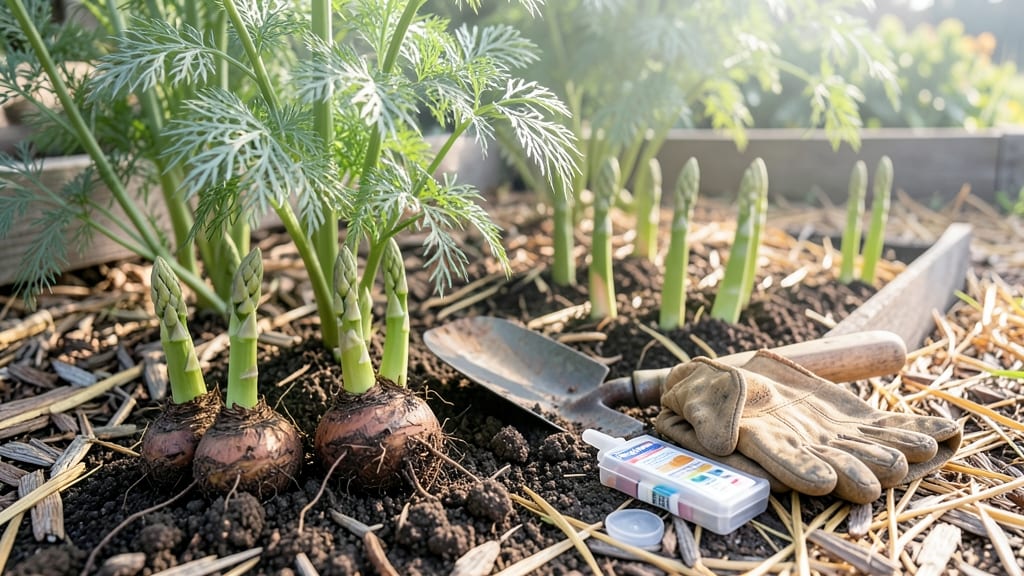
Timing your asparagus planting in Maryland isn’t just about the calendar—it’s about beating the unpredictable spring weather that can leave your garden struggling. If you’ve ever watched your spears bolt or rot before they even get a chance to grow, you know how frustrating it can be.
The key to success? Planting when the soil is cold but workable, typically between March and early April, just as the last frost date approaches.
Maryland’s 7a-7b climate means you’ve got a narrow window to get those crowns in the ground before the soil warms too quickly. Too early, and frost will damage young plants; too late, and you’ll miss the ideal growing season for those thick, straight spears you’re dreaming of.
I’ve learned the hard way that patience pays off—waiting for the soil to reach 40-50°F makes all the difference.
But here’s the thing: asparagus isn’t a fast-food crop. It takes two to three years before you’ll see a harvest worth bragging about. That means your planting decisions now will determine whether you’re enjoying fresh spears in May and June for years to come—or dealing with disappointment.
Let me show you exactly how to time it right, from soil prep to avoiding Maryland’s most common pitfalls.
Ready to turn your garden into a spear-producing powerhouse? Stick around, and I’ll walk you through the cold-soil secrets that’ll have your asparagus thriving—no guesswork required.
Maryland’s ideal asparagus planting window: cold-soil timing by zone
Maryland’s USDA zones 5b-7a create unique challenges for asparagus growers—cold snaps can delay planting while warm spells trick you into starting too early. The key is soil temperature, not air temperature.
For asparagus crowns, aim to plant when soil reaches 40-50°F, typically late February to early April in most of Maryland.
Northern Maryland (zones 5b-6a) like Baltimore County should wait until mid-March when frost risks drop.
Southern regions (zones 7a-7b) like Calvert County can start as early as late February. Seed planting requires even warmer soil (55-65°F) and should wait until April—crowns give you a 2-year head start on harvests.
Here’s how to test soil readiness: Press your finger 4 inches deep. If the soil feels cool but workable (not icy), it’s time. A soil thermometer confirms—40°F is your magic number.
Pro tip: Plant 6-8 weeks before your last frost date (typically April 15 in Maryland) to avoid spring freezes damaging tender shoots.
For Maryland’s variable climate, I recommend staggered planting: Start with half your crowns in early March and the rest in mid-April. This spreads out your harvest window by 3-4 weeks, giving you spears from May through June.
The trade-off? More upfront work, but double the harvest potential.
One common mistake Maryland gardeners make is planting too early. Cold, wet soil causes crown rot, while planting too late delays harvests. The ideal window balances these risks—March 1-15 for most of the state. Use row covers if late frosts threaten after planting to protect young shoots.
| Zone | Optimal Planting Window | Soil Temp Threshold | Notes |
|---|---|---|---|
| 5b (Northern MD) | Mid-March to early April | 45-50°F | Wait for last frost; use row covers if needed |
| 6a (Central MD) | Late February to March | 40-45°F | Stagger planting for extended harvest |
| 7a-7b (Southern MD) | Late February to early March | 40-50°F | Earlier planting possible; monitor soil temps |
If you’re planting asparagus seeds instead of crowns, shift your timeline 4-6 weeks later. Seeds need warmer soil (55-65°F) to germinate, so aim for April. Seeds take 2 years longer to produce spears, but they’re a budget-friendly option if you’re patient.
For most Maryland gardeners, crowns are the smarter choice—they yield harvests in year 2.
Another pro tip: Pre-soak crowns for 4-6 hours before planting to jumpstart root growth. Plant them 6-8 inches deep and 12-18 inches apart in trenches. This depth mimics their natural growth habit and prevents crown rot. Mulch heavily after planting to retain moisture and regulate soil temperature.
Maryland’s humidity and clay soils can stress asparagus if not managed. After planting, keep soil consistently moist (not soggy) for the first 6 weeks. A drip irrigation system works best—it delivers water directly to roots without wetting foliage, reducing fungal risks. Avoid overhead watering, especially in the evenings.
Remember: Patience is key with asparagus. Your first harvest won’t come until year 2 or 3, but with the right timing, you’ll enjoy bold, straight spears for 15-20 years. That’s a lifetime of homegrown harvests with minimal replanting! 🌱
5 Critical signs your Maryland soil is ready for asparagus (and 3 mistakes to avoid)
Maryland’s heavy clay soils can be a gardener’s worst nightmare—especially for asparagus, which needs well-draining conditions to thrive. I’ve learned the hard way that skipping soil prep leads to rotten crowns and stunted growth.
The good news? With the right tests, you can spot the perfect planting conditions before you even dig a hole.
First, check your soil’s moisture level. Stick your finger about 6 inches deep—if it feels damp but not soggy, your soil is ready. Maryland’s spring rains can make beds too wet, so avoid planting if the ground is waterlogged.
A simple percolation test works too: Dig a 12-inch hole, fill it with water, and time how long it drains. If it takes less than 6 hours, your soil’s ready.
Next, test your soil pH. Asparagus thrives in slightly acidic to neutral soil (6.5-7.0). Grab a pH test kit (or send a sample to your local extension office) to check.
Maryland’s clay soils often lean alkaline, so you may need to amend with sulfur or peat moss to lower the pH. Aim for that sweet spot—any lower, and nutrients lock up; any higher, and your plants struggle to absorb them.
Now, let’s talk about the three mistakes that’ll sabotage your asparagus before it even sprouts. First, planting too early—Maryland’s spring frosts can kill tender crowns. Second, ignoring soil compaction: Clay soils harden when wet, suffocating roots.
Third, skipping organic matter—asparagus needs nutrients to establish, and bare clay won’t cut it. I’ve seen gardens where asparagus struggled for years because the soil was never prepped properly.
Pro tip: If your soil fails any of these tests, don’t panic. Amend it with compost, peat moss, or aged manure at least 4-6 weeks before planting. Maryland’s clay can be heavy, but with the right prep, it becomes the perfect home for thick, productive spears.
The key is patience—your asparagus will thank you for years to come.
Once your soil passes these checks, you’re ready to plant. But here’s the kicker: asparagus crowns need to be buried 6-8 inches deep to protect them from temperature swings.
Maryland’s unpredictable weather means those crowns could face late frosts or heatwaves—so get them in the ground at the right depth, and mulch heavily to keep them stable.