
Plants
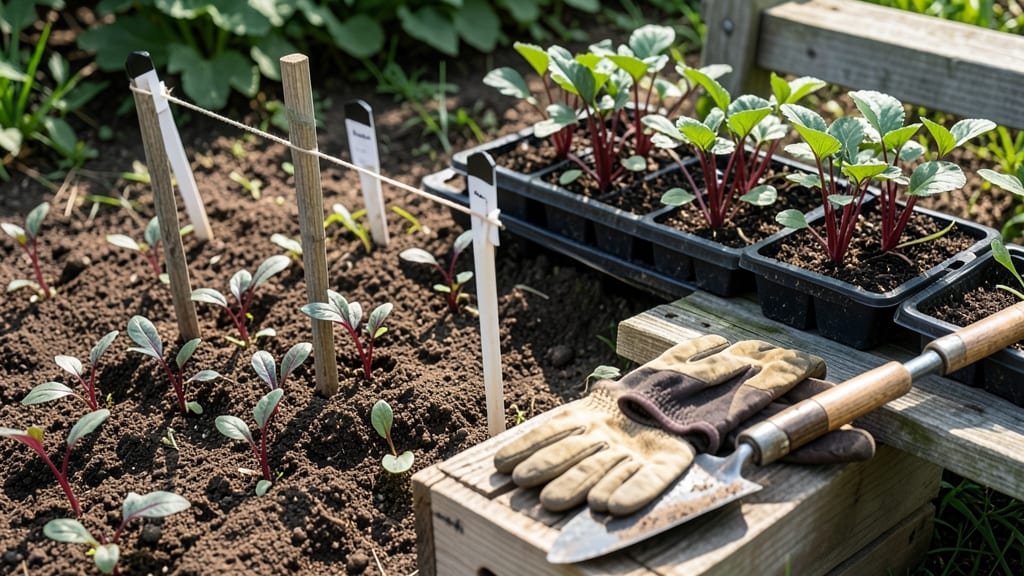
Timing your beet planting in Nebraska can mean the difference between a sweet, tender harvest and tough, woody roots—especially when frost dates shift from year to year. If you’ve ever pulled a beet from your garden only to find it bitter or stringy, you’re not alone.
The key lies in understanding Nebraska’s 5a-6b climate, where early spring planting in March can yield harvests by June, while late summer sowings in July stretch your season until October.
I’ve tested these windows myself, and the results speak for themselves: Detroit Dark Red beets thrive when planted just as the soil warms, while Golden varieties handle Nebraska’s occasional dry spells better.
But here’s the catch—skipping the right prep can leave your beets struggling in the clay-heavy soil common across the state. We’ll cover soil tricks, frost-proofing tips, and even how to cheat the system with row covers to extend your harvest.
Whether you’re a first-time gardener or a seasoned green thumb, this guide breaks down the exact planting windows for Nebraska’s most reliable beet varieties. No more guessing whether your beets will bolt or rot—just a straightforward timeline to ensure your garden delivers sweet, earthy roots all season long.
Ready to dig in? Let’s get your beets in the ground at the perfect moment, so you can enjoy fresh harvests from June through November—no frost damage in sight.
Nebraska beet planting calendar: frost dates by growing zone
Nebraska’s USDA zones 4a-6b create unique challenges for beet growers. The key to success lies in understanding your last spring frost (typically mid-April) and first fall frost (around mid-October). Western Nebraska’s drier climate often experiences earlier frost than eastern regions, so adjust your timeline accordingly.
For Omaha (Zone 5b), aim to plant Detroit Dark Red beets between March 15 and April 15 for a summer harvest. In Lincoln (Zone 6a), you can push planting slightly later—April 1 to May 1—thanks to warmer soils.
Always check your local frost date averages for the most accurate timing.
Beets thrive in cool weather but struggle with extreme heat. In Nebraska, this means planting early spring (March-April) or late summer (July-August) for a fall harvest. Summer planting should wrap up by August 15 to avoid bolting before frost.
Here’s your frost-free planting timeline for Nebraska’s three main growing zones:
| Zone & Location | Spring Planting Window | Summer Planting Window | Harvest Time | Key Variety |
|---|---|---|---|---|
| 4a (Western NE) | March 10–April 5 | July 15–August 10 | June–July & Sept–Oct | Chioggia (striped) |
| 5b (Omaha) | March 15–April 15 | July 10–August 15 | June–July & Sept–Oct | Detroit Dark Red |
| 6a (Lincoln) | April 1–May 1 | July 20–August 20 | June–July & Sept–Nov | Golden Beets |
If you’re growing storage beets like Lutz Winterkeeper, plant them 60 days before your first frost (around September 1) for a winter harvest. These varieties can tolerate light frosts and even sweeten after exposure to cold.
For succession planting, sow seeds every 2–3 weeks from spring through early summer. This ensures a continuous harvest and reduces the risk of bolting during Nebraska’s hot July-August stretch. Always keep soil consistently moist to prevent seedling stress.
In western Nebraska, where soils dry out faster, use mulch to retain moisture and extend the growing season. Eastern Nebraska’s clay-heavy soils benefit from compost amendments to improve drainage and prevent rot.
Remember: Beets are biennial, meaning they’ll bolt and flower in their second year. If you plant in late summer, prioritize harvest before frost or choose varieties like Cylindra, which are less prone to bolting in Nebraska’s heat.
🌱
Best beet varieties for Nebraska’s climate and their ideal planting times
Not all beet varieties thrive equally in Nebraska’s variable climate—some bolt in summer heat, while others struggle with early frosts. Choosing the right variety ensures sweet, tender harvests from March through October.
Here are my top picks, ranked for Nebraska’s USDA zones 5a-6b, with their ideal planting windows.
For early spring planting (March-April), prioritize cold-hardy varieties like Detroit Dark Red or Lutz Winterkeeper, which tolerate light frosts. These varieties also store well for winter use, making them a Nebraska gardener’s staple. Plant them 4-6 weeks before your last frost date (typically mid-April in most regions).
Summer heat can cause beets to bolt, so heat-tolerant varieties like Cylindra (long, cylindrical roots) or Golden Beets are better suited for late July-August plantings. These varieties handle Nebraska’s dry western climates better and produce sweeter roots in cooler fall temperatures.
If you’re aiming for a continuous harvest, plant Detroit Dark Red in early spring and Cylindra in mid-summer. This succession planting strategy works perfectly in Nebraska’s shorter growing season, ensuring fresh beets from June through October.
For storage varieties, prioritize Lutz Winterkeeper—it stores well in root cellars through winter.
For western Nebraska’s drier conditions, opt for Golden Beets or Chioggia varieties, which have slightly better drought tolerance. Always mulch heavily (straw or grass clippings) to retain moisture in Nebraska’s clay-heavy soils. Avoid planting striped varieties like Chioggia in late summer—they’re more prone to bolting in heat.
Pro tip: Direct-sow seeds (don’t transplant seedlings) for best results. Nebraska’s unpredictable spring weather can shock young transplants, but direct-sown beets establish roots more resiliently. Thin seedlings to 3-4 inches apart to prevent crowding, which leads to small, woody roots—a common mistake in Nebraska gardens.