
Plants
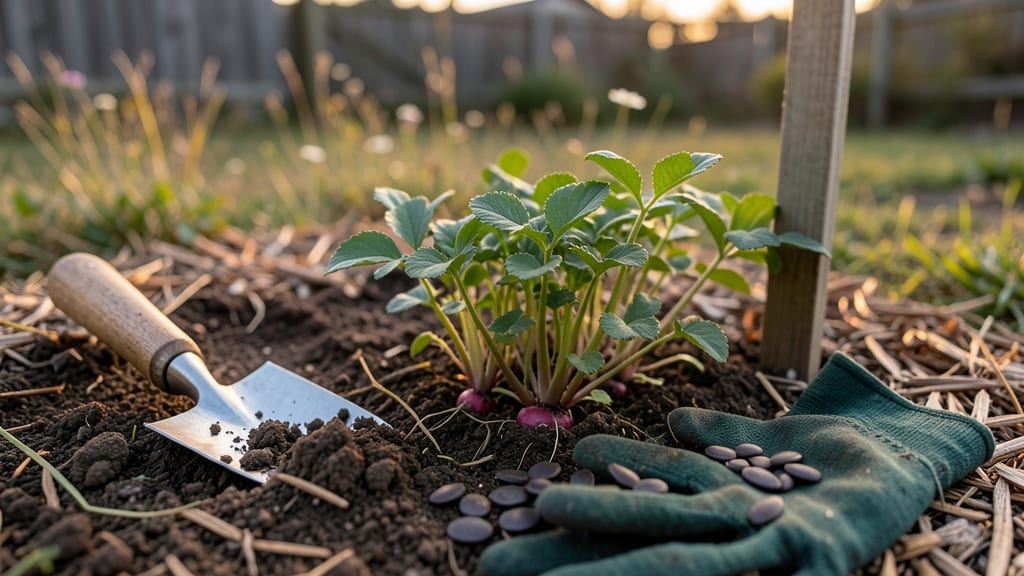
If you’ve ever planted beets in Wisconsin only to watch them bolt into bitter greens or wilt under early frost, you’re not alone. The perfect timing for these 🍠-shaped roots isn’t just about the calendar—it’s about beating Wisconsin’s unpredictable swings from freezing nights to sudden heat waves.
Here’s the game-changer: Planting beets too early risks frost damage, while waiting too long triggers bolting—the enemy of sweet, tender harvests. In zones 4a-6b, the ideal windows are mid-April to early July for spring plantings and late July to early September for fall crops.
I’ll break down exactly when to start seeds, how to adjust for your microclimate, and why succession planting could double your harvest.
You’ll also discover how soil temperature plays a hidden role in beet success—hint, it’s not just about the air. Plus, I’ll share my top tips for avoiding common Wisconsin pitfalls, like uneven moisture or late-season heat stress. Ready to grow beets that stay sweet from June to October?
Let’s dive into the frost-free schedule that’ll turn your garden into a beet bonanza—no guesswork required.
Wisconsin beet planting calendar by hardiness Zone (avoid bolting & frost)
Wisconsin’s USDA Zones 4a-5b create unique challenges for beet growers. The key to sweet, tender harvests is planting when soil temperatures hit 40°F—but not before last frost.
In Zone 4a, aim for mid-April to early May; in Zone 5b, you’ve got a slightly longer window until early June.
Beets thrive in Wisconsin’s cool spring and fall, but heat stress after 75°F triggers bolting. That’s why I recommend two planting windows: early spring (April-May) and late summer (July-August) for a fall harvest. Succession planting every 2 weeks ensures continuous harvests from June to October.
Here’s your zone-specific planting timeline with frost-free dates and soil temperature thresholds:
| Zone | Spring Planting | Soil Temp | Fall Planting | Last Harvest |
|---|---|---|---|---|
| 4a (Northern WI) | Mid-April to May 15 | 40-50°F | Late July to Aug 15 | Early October |
| 4b (Central WI) | Early April to May 10 | 40-50°F | Late July to Aug 20 | Mid-October |
| 5a (Southern WI) | Late March to May 5 | 40-50°F | Early July to Aug 25 | Late October |
| 5b (Southwest WI) | Early April to May 10 | 40-50°F | Early July to Sept 5 | Early November |
For Zone 4a gardeners, I suggest starting seeds indoors in late March under grow lights, then transplant after last frost. In Zone 5b, you can direct-sow until June 15 for a fall crop.
Always check Wisconsin State Climatology Office for your local last frost date—it can vary by 1-2 weeks even within the same zone.
Pro tip: Use black plastic mulch in early spring to warm soil faster. I’ve seen it raise soil temps by 5-10°F, letting me plant 2 weeks earlier without frost risk. Just remove it once soil reaches 50°F to prevent overheating.
Fall plantings are my favorite—cooler temps mean sweeter roots and fewer pests. Aim to harvest before first frost, which in southern WI can come as early as October 15. For a winter harvest, choose cold-hardy varieties like Detroit Dark Red and mulch heavily with straw.
Remember: Succession planting is your secret weapon. Sow new seeds every 2 weeks from April to July for a continuous harvest. This works especially well in containers—just keep them in partial shade during July-August to prevent bolting.
For urban gardeners with limited space, try intercropping beets with lettuce or radishes. The radishes mature first, leaving room for beets to expand. Just keep the soil moist—consistent watering is critical to prevent woody roots.
🌱
How to time beet plantings for Wisconsin’s short growing season
Wisconsin’s cool springs and hot summers demand precise beet planting timing to avoid bolting or frost damage. I’ve learned that soil temperature—not just air temperature—is the real game-changer.
Beet seeds need soil at 45°F+ to germinate reliably, which often lags behind air warming in WI’s USDA Zones 4a-5b. For example, in Zone 4a, wait until mid-May for spring plantings, while Zone 5b gardeners can start in early April under row covers.
To extend your harvest window, I swear by succession planting every 2-3 weeks from April to July. This ensures a steady supply of baby beets (harvest at 1-inch diameter) before heat stress sets in.
For fall crops, aim to sow seeds by late July so they mature before first frost (typically mid-October). Pro tip: Use a soil thermometer—I keep one handy to confirm 50°F+ soil temps before planting.
🌱 Beet Planting Strategies for Wisconsin
Spring Planting
Start 4-6 weeks before last frost. Use row covers for earlier starts.
Summer Heat
Plant heat-tolerant varieties like Chioggia. Use shade cloth if temps exceed 85°F.
Fall Planting
Sow by late July for harvest before frost. Choose cold-hardy types like Detroit Dark Red.
For container gardening, I’ve had success with early spring starts in pots on a sunny windowsill. Transplant seedlings outdoors after soil warms to 50°F and nights stay above 40°F. Containers dry out faster, so I water them daily in summer and mulch with straw to retain moisture.
This method lets me harvest baby beets as early as June, even in cooler WI zones.
Companion planting is another trick I rely on. Beets thrive near onions, garlic, and lettuce, which deter pests like leaf miners. Avoid planting near pole beans or brassicas, which compete for nutrients.
I also interplant radishes—they germinate quickly and mark beet rows, plus their early harvest clears space for larger beets.
Don’t overlook fall succession planting either. In my Zone 5a garden, I’ve harvested beets until early November by sowing seeds in early August. The key is choosing fast-maturing varieties (like ‘Babybeat’, ready in 40 days) and protecting them with frost blankets when temps dip below 25°F.
This gives me a second harvest just before winter sets in.
Remember, consistent soil moisture is critical—especially in WI’s dry summers. I water deeply every 2-3 days during heatwaves, aiming for 1 inch of water per week. Mulching with straw or grass clippings helps maintain even moisture and keeps roots cool.
With these strategies, I’ve avoided bolting and enjoyed sweet, tender beets from June through October—no bitter greens in sight! 🌱