
Plants
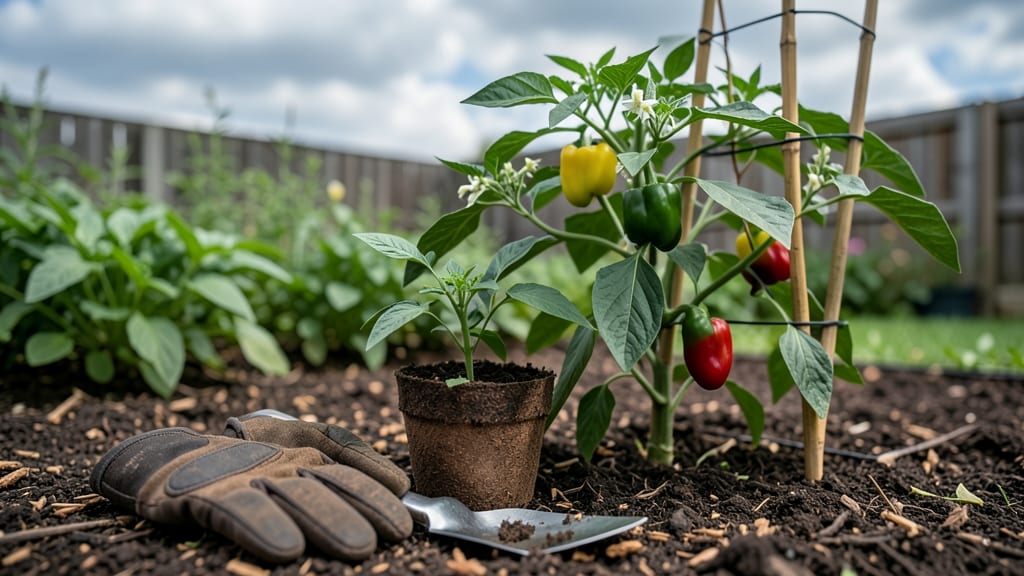
Timing your 🌶️ bell pepper planting in Arizona isn’t just about avoiding frost—it’s about outsmarting the desert’s relentless heat before your plants bolt and turn bitter.
Skip the guesswork and plant at the perfect moment, when soil temps hit 60°F+ and the sun’s intensity won’t shock tender seedlings into early flowering.
Most Arizona gardeners swear by transplants in February or March, but high-desert areas like Flagstaff play by different rules than Phoenix’s low desert.
Whether you’re sowing seeds or buying starts, the key is beating the 90°F+ summer rush—so we’ll break down the exact windows that keep your peppers productive, not stressed.
You’ll also discover how to stretch your harvest from June through October using succession planting and shade tricks that fool peppers into thinking it’s spring. No more wasted effort or sad, wilted plants—just a steady supply of sweet, crisp peppers that actually make it to your plate.
Let’s dive into the heat-proof schedule that turns Arizona’s extreme climate into your bell pepper advantage. Ready to grow like a pro?
Arizona bell pepper planting calendar: avoid bolting with these heat-smart timelines
Arizona’s USDA Zone 9b climate demands precision when planting bell peppers—get it wrong, and your plants bolt (flower prematurely) or wilt under the sun.
The key is timing: soil temperature must reach 60°F+ before transplanting, and last frost dates are irrelevant in most desert regions (though high elevations like Flagstaff differ). Let’s break down the exact windows for Phoenix, Tucson, and Flagstaff to maximize your harvest.
For low desert areas (Phoenix/Tucson), the ideal transplant window is mid-February to early March, when daytime temps stabilize above 75°F. If you start seeds indoors, begin 8–10 weeks before your target transplant date—typically late December to January.
High desert (Flagstaff) gardeners can push transplants to late March due to cooler nights.
⚠️ CRITICAL: Never plant seeds directly in the ground before April 15 in low desert—soil stays too cold, and seedlings rot. Use black plastic mulch to warm soil faster if transplanting early.
Pro tip: Use a soil thermometer to confirm readiness—60°F is the magic number for root growth. If temps dip below this, delay planting or use row covers to insulate soil. For extended harvests, stagger plantings every 2–3 weeks between February and May.
Succession planting is your secret weapon in Arizona. After your first harvest in June or July, replant heat-tolerant varieties (like ‘Carmen’ or ‘NuMex Sandia’) for a fall crop. These varieties handle 90°F+ temps better than standard types, giving you peppers until October or November.
Watch for bolt risk when daytime temps exceed 95°F for 3+ days—this triggers premature flowering. To delay bolting, provide 30–50% shade cloth during peak afternoon heat (12 PM–4 PM) and mulch heavily with straw or wood chips to keep roots cool.
For container gardening, use 5-gallon pots and plant in May when soil is reliably warm. Containers heat up faster, so monitor moisture daily—drip irrigation is a game-changer here. Avoid black pots; they absorb too much heat and stress plants.
🌶️ Remember: Arizona’s long growing season lets you play with timing. If you miss the spring window, don’t despair—fall plantings (August–September) can still yield peppers before winter sets in (though harvests will be smaller). Just choose fast-maturing varieties (60–70 days to harvest).
How to outsmart Arizona heat: 5 pro tips for stress-free bell pepper growth
Arizona’s 110°F+ summers can turn your bell pepper seedlings into crispy snacks if you’re not careful. But with these heat-proof strategies, you’ll keep your plants thriving instead of bolting. The key? Timing, shade, and moisture management—all tailored to Arizona’s brutal climate.
First, extend your growing season by starting seeds indoors 8-10 weeks before your last frost date (usually mid-December in low deserts). This gives you transplant-ready seedlings by early March, when soil temps finally hit 60°F+.
For high desert areas like Flagstaff, wait until late April to avoid cool-night stress.
🌶️ Pro Tip #1: Use shade cloth—but only when it counts. Install 30-50% shade cloth during peak afternoon sun (12 PM–4 PM) from June through August. This blocks 10-15°F of heat without starving your plants of light. Remove it by 10 AM and 3 PM to maintain photosynthesis.
- 🌱 Start seeds indoors 8-10 weeks before last frost (low desert) or late April (high desert).
- ☀️ Deploy shade cloth 30-50% coverage during 12 PM–4 PM in summer months only.
- 💧 Water deeply in mornings—1-2 gallons per plant—before 10 AM to prevent evaporation.
- 🪴 Mulch with straw or wood chips to retain 2-3°F cooler soil temps and reduce water loss.
- 🌿 Prune lower leaves to improve airflow and reduce fungal risks from humidity.
Your watering routine is your secret weapon. Arizona’s low-humidity air and sandy soils drain water faster than you can say “bolting.” Water deeply in the morning—aim for 1-2 gallons per plant—to encourage deep root growth.
Avoid evening watering, which promotes fungal diseases like powdery mildew. Use drip irrigation or soaker hoses to deliver water slowly at the base, minimizing evaporation.
Don’t underestimate the power of mulching. A 2-3 inch layer of straw or wood chips keeps soil temps 2-3°F cooler and locks in moisture for up to 3 days longer than bare soil.
Plus, it suppresses weeds—another stress factor for heat-weary plants. Replenish mulch every 4-6 weeks as it breaks down.
Finally, prune strategically to keep your plants healthy. Remove lower leaves to improve airflow and reduce humidity buildup around the plant. This cuts down on fungal risks while letting sunlight reach the fruit-bearing zones.
Avoid heavy pruning in peak summer—stick to light trimming to avoid shocking the plant during 100°F+ heatwaves.
With these heat-smart tactics, your bell peppers will thrive in Arizona’s desert climate instead of wilting. The result? A longer harvest season and sweeter, more flavorful peppers—no bolting in sight! 🌿