
Plants
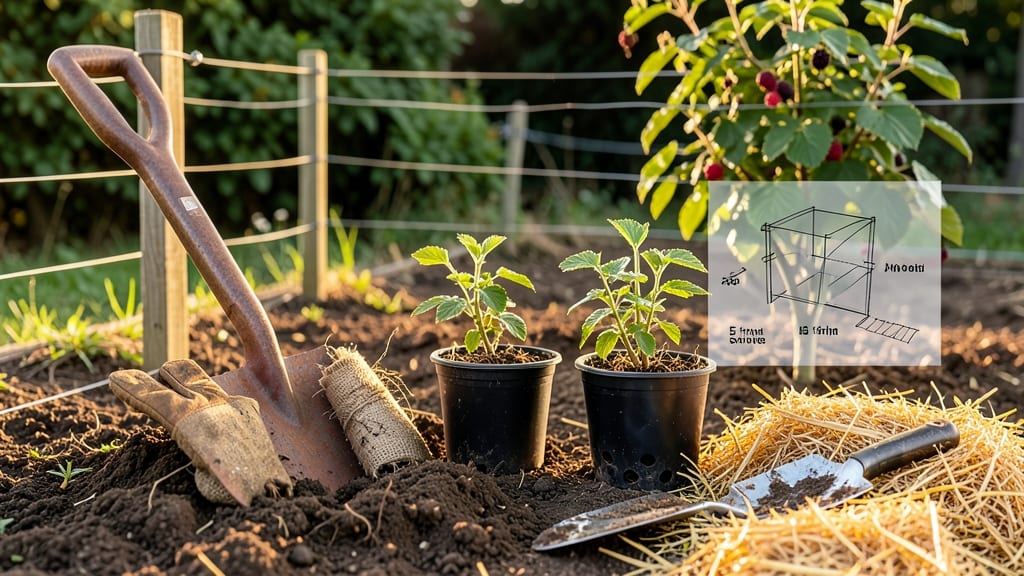
Timing your blackberry planting in Tennessee isn’t just about the calendar—it’s about matching your plants to the region’s unique chill-hour zones and frost patterns. Plant too early, and you risk losing tender canes to late frosts; too late, and your 🫐 harvest may never fully mature.
The key lies in two perfect windows: late winter to early spring (February–March) or early fall (September–October), when soil temperatures and daylight align just right for root establishment.
For Tennessee gardeners in zones 6a-7b, the challenge isn’t just picking a month—it’s understanding how your microclimate (mountains vs. valleys) affects planting success. Bare-root canes thrive in cooler spring soil, while potted plants offer flexibility for fall planting, giving roots time to anchor before winter dormancy.
But get this wrong, and you’ll spend years waiting for berries—or worse, watching your investment wither before fruiting.
I’ve seen firsthand how a 2-week difference in planting can mean the difference between a lush, productive blackberry patch and a sad, stunted shrub. The solution? Plant when soil temps hit 40°F and at least 6 weeks before your last frost date—typically mid-April in most of Tennessee.
This isn’t just theory; it’s the game-changer that separates frustrated gardeners from those who enjoy June–August harvests.
Ready to avoid the common mistakes that trip up Tennessee growers? Let’s break down exactly how to time your planting for maximum chill-hour efficiency, soil prep secrets, and why your trellis choice matters more than you think. Your future blackberry pies depend on it.
Tennessee’s best planting windows for blackberries by chill-hour Zone
Tennessee’s climate varies dramatically from the mountains in the east to the valleys in the west, creating 5 distinct chill-hour zones that dictate when to plant blackberries.
These zones range from 300 to 1,000+ chill hours, meaning your planting window could shift by months depending on where you live. For example, gardeners in Zone 6a (eastern Tennessee) need to plant earlier than those in Zone 7b (Memphis area).
Blackberries thrive when planted during their dormant season, either in late winter (February-March) or early fall (September-October).
This timing ensures they establish roots before extreme heat or cold. Primocane varieties (like 'Prime-Ark Freedom') fruit on new growth, so they need 600+ chill hours, while floricane types (like 'Natchez') require 300-500 hours.
To find your exact chill-hour zone, check the Tennessee State University Extension map or use a chill-hour calculator. Most of Tennessee falls between Zone 6a and 7b, but microclimates—like frost pockets in valleys—can shift your ideal planting date by 2-4 weeks.
For instance, Chattanooga (Zone 7a) has a longer growing season than Bristol (Zone 6b).
Here’s how to match your blackberry variety to Tennessee’s chill zones for a reliable harvest:
For primocane varieties, which produce fruit on new growth, Tennessee’s longer growing season in Zones 7a-7b means you can harvest twice yearly—once in summer and again in fall.
In contrast, floricane types yield a single late-summer harvest but require fewer chill hours, making them ideal for Zone 6a gardeners.
Pro tip: If you’re in a transition zone (e.g., Nashville’s 7a/7b borderearlier planting. Blackberries are perennial, so a 2-week delay can set back your harvest by 3-4 weeks. Always monitor your local frost forecast and adjust your timeline accordingly.
Another critical factor is soil temperature. Blackberry roots need soil temps above 40°F to grow. In Tennessee, this typically aligns with mid-March in the west and late March in the east. Use a soil thermometer to confirm—planting in cold soil stresses roots and delays establishment.
Finally, consider microclimates. A south-facing slope in Knoxville (Zone 6b) might warm up 2 weeks earlier than a valley garden. Pay attention to where frost lingers longest in your yard, and plant uphill or in full sun to extend your growing season.
How to prep blackberry plants for Tennessee’s soil and climate challenges
Tennessee’s humid climate and clay-heavy soils can turn blackberry planting into a challenge if you’re not prepared. The key to success lies in soil prep and disease prevention. Start by testing your soil’s pH level—blackberries thrive in acidic to slightly acidic soil (5.5-6.5).
If your soil is too alkaline, amend it with sulfur or peat moss before planting.
Drainage is another critical factor in Tennessee’s wetter regions. Blackberries hate soggy roots, so avoid low-lying areas or spots where water pools. If your yard has clay soil, mix in compost or sand to improve drainage.
Raised beds are also an excellent option for controlling moisture levels and preventing root rot.
For early spring plantings, especially in Tennessee’s cooler mountain regions, protect young canes with mulch or row covers to shield them from late frosts. Use straw or wood chips (3-4 inches deep) around the base of the plant to insulate roots and retain moisture.
Avoid plastic mulch, which can overheat soil and stress the plant.
Choose disease-resistant varieties like ‘Natchez’ or ‘Arapaho’, which are better suited to Tennessee’s humid conditions. These varieties resist anthracnose and orange rust, two common fungal diseases in the region. Always sterilize pruners with rubbing alcohol between cuts to prevent spreading pathogens.
Finally, trellising is non-negotiable for blackberries in Tennessee. A wired trellis or T-post system keeps canes off the ground, improving air circulation and reducing fungal spores. Space trellises 8-10 feet apart in rows to allow for proper airflow and easier harvesting.
With the right soil prep and climate protections, your blackberries will establish strong roots and thrive in Tennessee’s challenging conditions. The effort upfront pays off with healthier plants and bigger harvests down the road. 🌱