
Plants
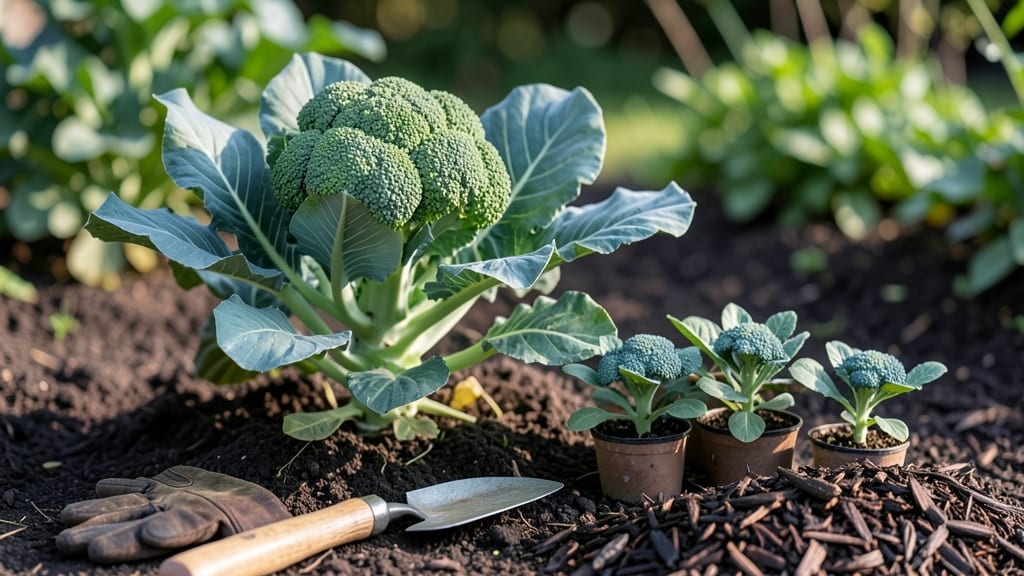
Timing your broccoli planting in Indiana isn’t just about the calendar—it’s about dodging the dreaded bolt before your 🥦 heads even hit the soil. With Zone 6a’s fickle springs and early fall frosts, getting the window wrong means either stunted plants or wasted seeds.
Here’s the secret: Indiana gardeners nail it by planting early spring (March–April) or late summer (August), but the real magic happens in the details. Skip the guesswork and you’ll enjoy a harvest from May through November—no bitter surprises included.
I’ll break down exactly when to start seeds indoors, when to transplant outdoors, and how to stretch your growing season with row covers. Trust me, these 3 simple steps will keep your broccoli thriving when others’ gardens are already bolting.
Ready to grow broccoli that actually tastes like it came from a farmers’ market? Let’s make your Indiana garden the envy of the neighborhood—starting with the perfect planting schedule.
Indiana broccoli planting deadlines by season (Zone 5b guide)
Indiana’s Zone 5b climate offers two prime windows for planting broccoli: early spring and late summer. Missing these deadlines risks bolting (premature flowering) or stunted growth. Let’s break down the exact timing and how to extend your season with row covers.
For spring planting, aim to sow seeds 4–6 weeks before your last frost date. In Indiana, this typically falls between March 15 and April 15, depending on your microclimate.
Northern Indiana gardeners should plant closer to late March, while southern regions can start as early as mid-March.
Fall planting requires more precision. Start seeds 90–100 days before the first frost (usually August 1–15 in Indiana). This ensures your broccoli matures before October 15, when frost typically arrives. Late August is your last chance for a fall harvest.
Pro Tip: Use a frost calendar for your county (like Purdue’s) to fine-tune dates. For example, Lafayette’s last frost averages April 10, while Gary’s is April 20—adjust accordingly.
Indiana’s unpredictable spring weather can throw off planting schedules. If your soil stays cold past April 15, wait until temperatures consistently reach 40°F at night. Use a soil thermometer—broccoli roots need warmth to establish.
For fall broccoli, prioritize bolt-resistant varieties like 'Waltham 29' or 'Packman'. These handle Indiana’s short daylight hours better than standard types. Plant in well-draining soil enriched with compost to compensate for cooler temps.
Don’t overlook microclimates in Indiana. Urban areas like Indianapolis may have 2–3 warmer weeks than rural northern counties. Observe your yard’s frost patterns for 2–3 years to refine your schedule.
If you miss the spring window, don’t despair—succession planting in May can yield small heads by summer. Just accept lower yields and focus on side shoots for extra harvests.
🌱
How to avoid bolting in Indiana’s unpredictable spring weather
Indiana’s spring weather is notorious for its whiplash—one day warm enough to plant, the next a surprise frost that sends your seedlings into shock. For broccoli, this unpredictability means a high risk of bolting (when plants prematurely flower and become bitter).
The key to avoiding this? Controlled conditions that mimic summer-like warmth without triggering the plant’s natural cycle too soon.
I’ve grown broccoli in Zone 5b for years, and the difference between a thriving crop and a failed one often comes down to soil temperature and seedling hardening.
Broccoli seeds need soil at 40–50°F to germinate, but once sprouted, they’ll bolt if exposed to consistent temperatures above 80°F or rapid swings between hot and cold. Here’s how to outsmart Indiana’s spring quirks.
🌱 Use a soil thermometer—this isn’t optional. Plant only when soil temps are steady at 40–50°F for at least 3 days. In Indiana, this usually means waiting until mid-April for direct sowing or transplanting seedlings. Cold soil slows growth and reduces bolting risk.
⚠️ Warning: Indiana’s False Springs
Don’t be fooled by warm March days—Indiana’s average last frost is April 15, but early blooms can push temps up to 70°F before dropping back. If you plant too soon, your broccoli will bolt faster than you can say "farmers' market".
Pro Tip: Use row covers or cold frames to protect seedlings from temperature swings. Remove covers during the day if temps rise above 75°F to prevent overheating.
Hardening off seedlings is another game-changer. If you start broccoli indoors (4–6 weeks before last frost), gradually expose them to outdoor conditions over 7–10 days. Begin with 1–2 hours of shade on day 1, then increase exposure by 1 hour daily.
By day 7, they should handle full sun for 4–6 hours. This toughens their stems and delays bolting triggers.
Shade cloth is your secret weapon against Indiana’s unpredictable sun. Use a 30–50% shade cloth during the hottest part of the day (11 AM–3 PM) if temps exceed 75°F. This reduces stress and keeps plants focused on head formation instead of flowering.
I’ve seen broccoli plants bolt in 10 days without shade when temps hit 85°F—don’t let that happen to you!
Finally, water consistently—but avoid wetting the leaves. Broccoli needs 1–1.5 inches of water weekly, delivered at the base of the plant in the morning. Wet foliage + heat = fungal diseases that weaken plants and make them more susceptible to bolting.
A drip irrigation system is ideal for Indiana’s erratic spring showers.
With these tricks, you’ll dodge bolting and enjoy crisp, flavorful broccoli heads from May through June—no bitter surprises in sight. 🌿