Plants
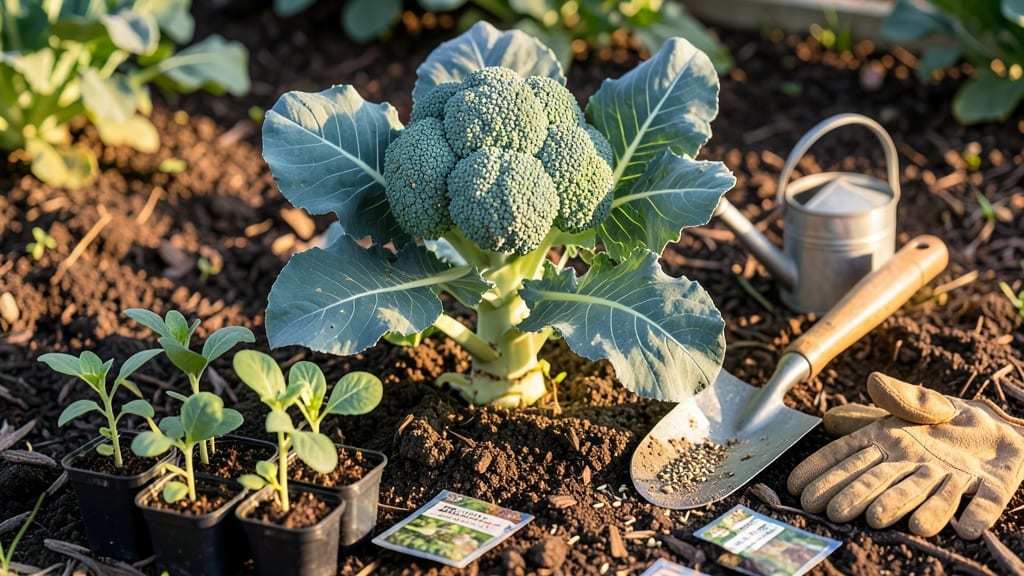
Timing your broccoli 🥦 planting in Washington State can make or break your harvest—get it wrong, and you’ll end up with bitter, bolted heads instead of the tender, flavorful crowns you crave.
From the cooler, wetter Puget Sound region to the hotter inland valleys, Washington’s diverse climate demands precision. Plant too early, and frost will stall growth; too late, and summer heat will send your broccoli running to seed.
The key is knowing exactly when to start seeds indoors or set out transplants for your specific microclimate—whether you’re in Zone 6 or Zone 8.
I’ve tested these strategies across Washington’s gardens, and the difference between a thriving summer-to-fall harvest and a failed attempt often comes down to two critical factors: soil temperature and frost dates.
Let me show you the exact windows to aim for, plus how to adjust for your local conditions—no guesswork required.
Whether you’re a first-time gardener or a seasoned pro, these region-specific tips will help you avoid common mistakes and enjoy a bountiful broccoli harvest. Ready to dig in?
Optimal broccoli planting dates for Washington’s coastal vs inland zones
Washington State’s USDA Zones 6-8 create dramatic differences in broccoli planting success. Coastal areas like Puget Sound (Zone 7-8) enjoy milder winters, while Eastern WA (Zone 6-7) faces harsher freezes. These climate shifts directly impact your planting windows—getting them wrong means either bolting broccoli or stunted growth.
For coastal Washington, aim to plant broccoli 4-6 weeks before your last spring frost (typically mid-March to early April). Inland areas should wait until 2-4 weeks before last frost (usually late April to early May). This timing ensures seedlings establish roots before summer heat arrives.
Washington’s fall planting is equally critical. Coastal gardeners can sow seeds mid-August to early September for a late-winter harvest, while inland growers should plant late July to mid-August. The key is avoiding heat stress that triggers bolting.
Here’s how to adjust for your specific microclimate:
| Region | Spring Planting Window | Fall Planting Window | Key Adjustment |
|---|---|---|---|
| Western WA (Puget Sound) | Mid-March to early April | Mid-August to early September | Soil stays cooler longer |
| Eastern WA (Yakima Valley) | Late April to early May | Late July to mid-August | Warmer soil warms up faster |
| Cascades Foothills | Early April to mid-May | Early August to late August | Higher elevation delays frost |
For direct sowing (planting seeds directly in garden beds), coastal gardeners should start seeds indoors 8-10 weeks before last frost (around January 15) and transplant outdoors after soil warms to 45°F. Inland growers can wait until February 15 for indoor starts.
Always check your local frost dates—the WA State University Extension provides updated frost maps. For example, Seattle’s last frost averages April 15, while Spokane’s is around May 1. These dates are your planting anchor points.
One common mistake is planting broccoli too early in cooler inland areas. Soil temperatures below 40°F slow germination. Use a soil thermometer to confirm 50-60°F soil temps before planting. Coastal gardeners can plant slightly earlier since ocean breezes moderate temperatures.
Pro tip: Succession plant every 2-3 weeks from spring to early summer for continuous harvests. In Washington’s climate, this means 3-4 planting batches per season—each with its own timing adjustments based on your microclimate.
Remember, broccoli thrives in cool weather. The goal is to harvest before summer heat sets in (typically by July 4th in most of WA). For fall crops, aim to mature before first hard frost (usually November 15 in coastal areas, October 15 inland).
For container gardening, adjust timing by 1-2 weeks later since pots warm up faster. Use black plastic mulch to raise soil temperatures 5-10°F in cooler microclimates.
Optimal broccoli planting dates for Washington’s coastal vs inland zones
Washington State’s diverse microclimates mean your broccoli planting schedule should shift dramatically between Western WA (Zones 6-8) and Eastern WA (Zones 7-9). Coastal areas like Seattle stay cooler and wetter, while Yakima’s inland valleys can hit 90°F+ by June—both extremes demand precise timing to avoid bolting or stunted growth.
For Western Washington, aim to plant broccoli transplants 4-6 weeks before your last frost date (typically mid-March to early April). Direct-sow seeds 2-3 weeks later once soil temps hit 45°F+.
In Eastern Washington, push transplants out 2 weeks earlier (late February to early March) to beat summer heat, and consider fall planting for a second harvest.
🚨 NON-NEGOTIABLE: Check your local USDA frost dates—Puget Sound’s last frost averages April 15, while Spokane’s is May 1. Adjust your schedule accordingly to avoid frost damage to young seedlings.
For fall harvests, plant transplants August 15-September 15 in Western WA and July 15-August 15 in Eastern WA. Seedlings need 90-100 days to mature, so time it so they’re ready before first frost (typically October 15-November 1).
Pro tip: Use shade cloth in hot inland areas during June-August to prevent bolting. I’ve seen broccoli heads double in size when protected from afternoon sun during peak summer heat.
🌱 Remember: Broccoli thrives in cool weather (50-75°F). If your summer stretches into 90°F+, prioritize fall planting or choose heat-tolerant varieties like ‘Belstar’ or ‘Packman.’