
Plants
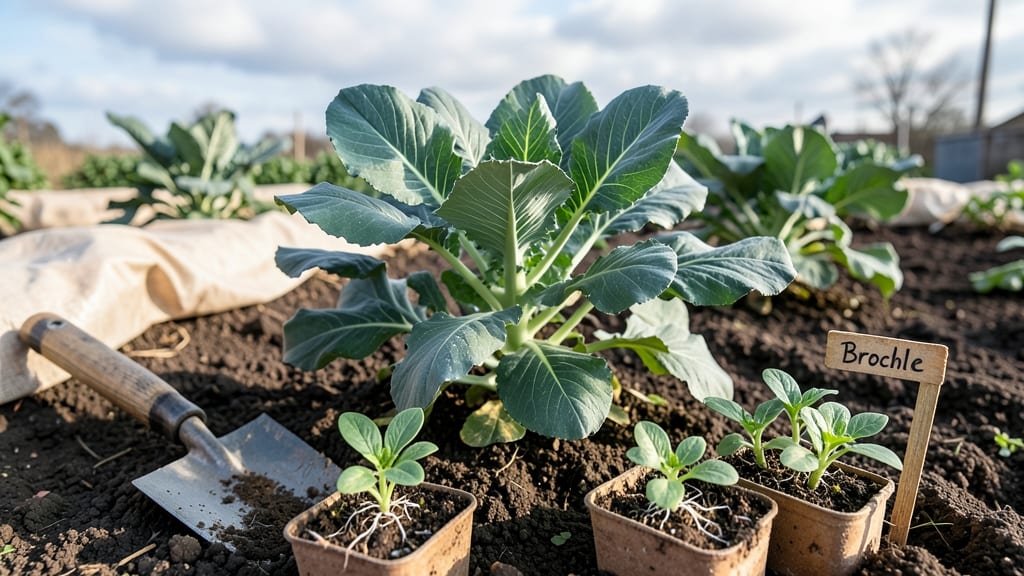
If you’ve ever wondered when to plant broccoli in Zone 6b and watched your 🥦 bolt into bitter flowers instead of forming those perfect heads, you’re not alone—especially in Zone 6b where temperatures swing wildly.
The key to avoiding this gardening heartbreak? Planting at the exact right time, whether you’re aiming for spring or fall harvests.
In Zone 6b, timing isn’t just about avoiding frost—it’s about outsmarting heat spikes that trigger bolting. I’ll show you the ideal windows for both seasons, plus how to prep your soil and seedlings for success. No more guesswork, just a foolproof schedule that keeps your broccoli happy and productive.
Spring plantings should start 4-6 weeks before your last frost (around early March in 6b), while fall crops need to hit the ground 8-10 weeks before the first frost (think late August).
But here’s the game-changer: soil temperature matters just as much as calendar dates. I’ll walk you through how to check it and adjust your plan.
Ready to grow broccoli that’s bold, healthy, and ready to harvest? Let’s dive into the step-by-step timing that’ll make your garden the talk of the neighborhood—and keep those heads tight and delicious from May through November.

Optimal broccoli planting times in Zone 6b: spring vs fall schedule
In Zone 6b, timing your broccoli planting is everything—get it wrong, and you risk bolting (flowering too early) or stunted growth. The key is planting when soil temperatures hover between 40°F and 80°F, avoiding both frost and extreme heat.
For spring, aim for 4-6 weeks before your last frost date (typically mid-March to early April), while fall plantings should go in 8-10 weeks before your first frost (mid-August to early September).
Zone 6b’s unpredictable climate—with sudden heat waves or late frosts—means flexibility is crucial. Start seedlings indoors 4-6 weeks before transplanting to give them a head start. Harden off seedlings for 7-10 days before moving them outdoors to toughen their stems.
If your spring arrives late, opt for fast-maturing varieties like ‘De Cicco’ to avoid summer bolting.
Here’s the breakdown of your Zone 6b planting windows, including soil temperature thresholds and frost considerations:
| Season | Planting Window | Soil Temp | Frost Risk | Harvest Time |
|---|---|---|---|---|
| Spring | Mid-March to early April | 40°F–55°F | Low (after last frost) | May–June |
| Fall | Mid-August to early September | 50°F–70°F | Moderate (before first frost) | October–November |
For spring plantings, prioritize cool-season varieties like ‘Waltham 29’ or ‘Calabrese’—they tolerate light frosts and mature quickly before summer heat sets in. In fall, choose heat-tolerant types like ‘Belstar’ or ‘Green Goliath’ to extend your harvest window.
Both seasons require well-drained soil with a pH of 6.0–7.0 to prevent nutrient deficiencies that weaken plants and invite pests.
If you’re transplanting seedlings, do it on a cool, cloudy day to reduce stress. Bury stems slightly deeper than in containers—this encourages stronger root growth. Mulch with straw or shredded leaves to retain moisture and regulate soil temperature, especially during Zone 6b’s erratic weather shifts.
Avoid planting too early in spring if nights dip below 35°F, as broccoli is frost-sensitive.
Pro tip: Use a soil thermometer to monitor temperatures—broccoli roots thrive in 50°F–65°F soil. If your spring arrives late, consider succession planting every 2 weeks in April to stagger harvests.
For fall, aim to harvest before consistent 40°F nights, which can trigger bolting. With these timings, you’ll enjoy crisp, flavorful heads without the frustration of wasted effort.
Remember, Zone 6b’s 165 frost-free days are your ally—plan your schedule to maximize both spring and fall harvests. Start with one variety per season to test your timing, then expand next year.
Consistency in watering (1–1.5 inches per week) and fertilizing (balanced 10-10-10 every 4–6 weeks) will reward you with bold, tight broccoli crowns ready for the table.
🌱
Optimal broccoli planting times in Zone 6b: spring vs fall schedule
Zone 6b gardeners face a unique challenge: unpredictable temperature swings that can turn your broccoli into bitter bolts overnight. The secret to success? Planting at the perfect window—not just based on frost dates, but on soil temperatures too. For spring, aim for 4-6 weeks before your last frost (typically early March), while fall plantings need to go in 8-10 weeks before the first frost (late August).
I’ve grown broccoli in 6b for years, and the difference between a flourishing harvest and a failed crop comes down to these timing tweaks. Let’s break it down by season, so you can avoid the heartbreak of watching your plants bolt before they even form heads.
| Season | Planting Window | Soil Temp | Frost Risk | Harvest Time |
|---|---|---|---|---|
| Spring | Early March - Mid-April | 45-55°F | Low (after last frost) | May - June |
| Fall | Late August - Early September | 50-60°F | Moderate (before first frost) | October - November |
Spring plantings in Zone 6b should start indoors 6-8 weeks before your last frost (around late January) if you’re using seedlings. For direct sowing, wait until soil temperatures hit 45°F—cold soil slows germination and invites rot.
I’ve found that mid-March is the sweet spot for transplanting outdoors, giving plants enough time to establish before summer heat arrives.
Fall is trickier because Zone 6b’s unpredictable heat spikes can still trigger bolting. Plant late August to early September for a harvest before the first frost (usually mid-October).
Use shade cloth if temperatures climb above 80°F to keep plants cool. I’ve had great luck with ‘De Cicco’ in fall—it tolerates cooler temps better than other varieties.
Pro tip: Check your soil temperature with a thermometer before planting. Broccoli roots thrive at 50-60°F—any colder, and growth stalls; any hotter, and you risk bolting. In 6b, this means waiting until mid-April for spring or planting early fall when nights cool down.
Timing isn’t just about dates—it’s about reading your microclimate. If your garden gets hotter than average, push fall plantings to early August and use shade. If you’re in a cooler pocket of 6b, you might even squeeze in a second spring planting in June for a late-summer harvest.