
Plants
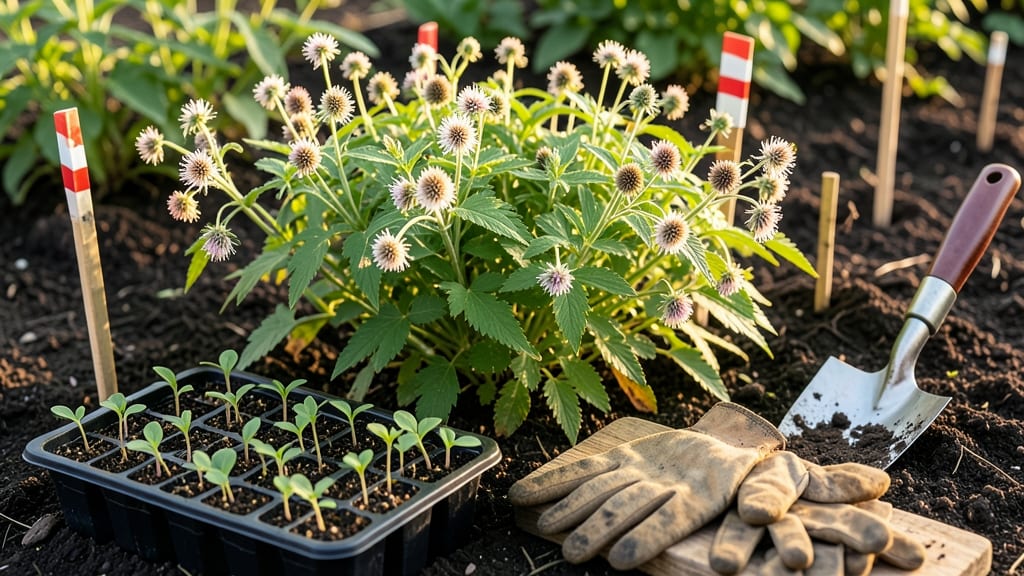
Timing your buckwheat planting in Michigan can make or break your harvest—get it wrong, and you might end up with stunted plants or missed opportunities for this fast-growing, nutrient-packed crop.
Unlike many vegetables that demand perfect conditions, buckwheat is tough enough to handle Michigan’s unpredictable springs and short growing seasons, but even it needs the right window to thrive.
Most gardeners in USDA Zones 5b-6b (that’s you!) should aim to plant between late April and early August, but the real secret lies in waiting until after your last frost—typically around mid-April in southern Michigan and a few weeks later in the north.
This hardy 🌾 plant doesn’t mind cooler soil, but it does need warmth to kickstart growth, so we’re talking 50°F+ soil temps before you drop those seeds.
Here’s the game-changer: buckwheat grows fast—60-75 days from seed to harvest—so you can actually squeeze in multiple plantings if you’re strategic.
Whether you’re growing it for grain, greens, or pollinator-friendly blooms, knowing when to plant ensures you’ll have a bountiful harvest by late summer or early fall, just in time for Michigan’s cooler months.
In this guide, I’ll break down the exact frost-free windows for your region, soil prep hacks, and even which buckwheat varieties perform best in Michigan’s climate. Let’s get those seeds in the ground at the perfect moment!
Michigan buckwheat planting dates: frost-resistant window explained
Michigan’s variable climate makes timing critical for buckwheat success.
The Upper Peninsula (USDA Zone 5b) has a shorter growing season than the Lower Peninsula (Zone 6a/6b), so adjust planting dates accordingly. Last frost dates typically range from mid-April in southern Michigan to late May in northern regions, with first frosts arriving as early as mid-September.
Buckwheat’s 60-75 day growth cycle means you must plant early enough to harvest before frost.
For example, in Detroit (Zone 6b), aim for late April to early May plantings, while Traverse City (Zone 6a) gardeners should wait until early to mid-May to avoid early-season frosts. Succession planting every 2-3 weeks extends harvests through late August.
Here’s how to calculate your personalized planting window:
For fall harvests, plant buckwheat in late July to early August—it thrives in cooler weather and can tolerate light frosts.
This strategy works best in Zone 6b areas where summers are long enough for a second crop. Soil temperature is your best guide: wait until it reaches 50°F (10°C) before sowing seeds.
Michigan’s microclimates can shift planting windows by 1-2 weeks. If you’re near large bodies of water (like the Great Lakes), expect cooler, slower springs—delay planting until after May 15. Conversely, urban heat islands in cities like Detroit may allow earlier plantings in sheltered microclimates.
Use Michigan State University’s frost maps (available [here](https://www.canr.msu.edu/)) to refine your timing. These maps show historical frost probabilities and help you avoid late-season surprises. For example, Grand Rapids (Zone 6a) has a 90% chance of frost by October 1, so plan your last planting by mid-August.
Pro tip: Test your soil 2 weeks before planting. Buckwheat prefers pH 6.0-7.0 and well-draining soil. Michigan’s clay-heavy soils (common in southern regions) benefit from compost amendments to prevent waterlogging, which stunts growth. Amend beds with 2-3 inches of compost 4-6 weeks before sowing.
If you’re new to buckwheat, start with small test plots in mid-May to gauge your local conditions. This low-risk approach helps you refine timing for future larger-scale plantings. Remember: buckwheat’s fast growth makes it ideal for cover cropping or soil improvement if harvests fail.
For container growing, plant buckwheat in late May to avoid cold soil temperatures. Use 5-gallon pots with drainage holes and place them in full sun. Containers warm up faster than garden beds, giving you a 2-week head start in cooler regions.
🌾
Michigan buckwheat planting dates: frost-resistant window explained
Michigan’s variable frost dates make buckwheat timing tricky, but this fast-growing annual thrives when planted strategically. The Upper Peninsula’s shorter season (USDA Zone 5) demands earlier sowing than the Lower Peninsula’s warmer zones (Zone 6).
My rule? Wait until soil temps hit 50°F (10°C)—usually late April to early May—to avoid frost damage.
For maximum yield, aim for two planting windows: early spring (after last frost) and late summer (for fall harvests). Southern Michigan gardeners can push it to early August, while northern regions should finish by mid-July. Buckwheat’s 60-75 day maturity means late plantings risk frost before harvest.
📅 Pro Tip: Check Michigan State University’s frost-free date maps (like the 1981-2010 normals) for your county. Detroit averages April 20 for last frost, while Traverse City’s is May 5. Plant 4-6 weeks after these dates for safety.
Buckwheat’s tolerance for cool soils lets you plant 2-3 weeks before traditional warm-season crops. I’ve had success sowing directly into cool, moist soil as early as mid-April in southern Michigan, using row covers for protection if night temps dip below 40°F (4°C).
Just avoid waterlogged soil—buckwheat hates soggy roots.
For fall harvests, try a late-July planting in southern zones. Aim to harvest before first frost (usually October 15), as seeds won’t mature if frost hits. In colder areas, prioritize early-season plantings for summer harvests instead.
🌱 Key Takeaway: Michigan’s microclimates matter—adjust your planting window by 2-3 weeks north to south. Use local frost data and soil temp gauges to fine-tune timing for your specific zone.