
Plants
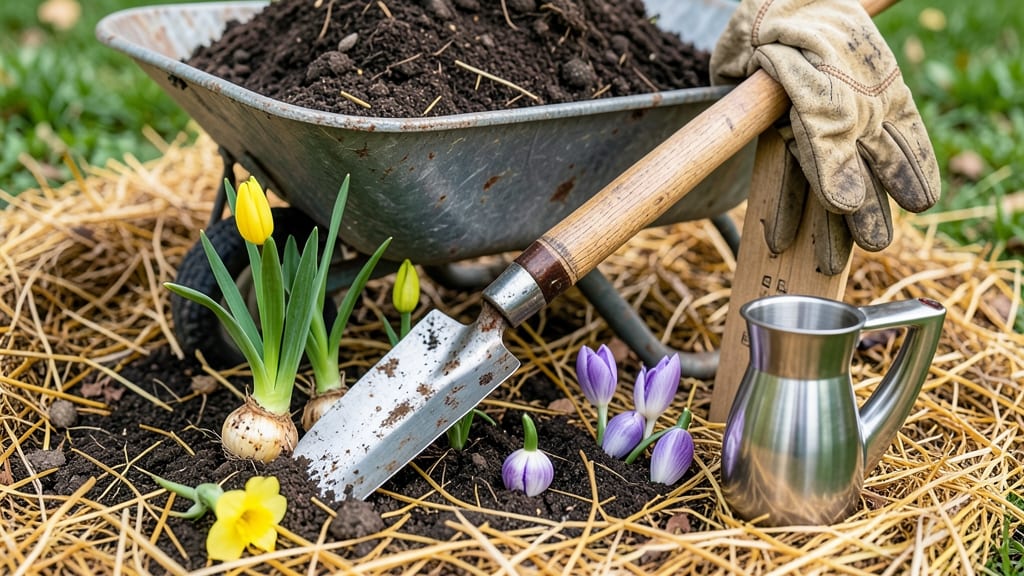
If you’ve ever planted spring bulbs 🌷 in South Carolina only to watch them disappear without a trace, timing might be the culprit. The perfect window for planting these beauties isn’t just about picking a month—it’s about knowing whether you’re in coastal Charleston or the Piedmont’s milder climate.
Most gardeners assume fall is the only time to plant, but South Carolina’s 7b-8b zones actually offer a second chance in early spring. I’ll break down the exact months to plant for stunning blooms next March, plus how to adjust for your specific microclimate.
You’ll also learn the 3 biggest mistakes that kill bulbs before they even sprout—and how to avoid them. Whether you’re a seasoned gardener or just starting, these tips will ensure your spring bulb display is the envy of the neighborhood.
Ready to transform your yard into a burst of color? Let’s dive into the timing secrets that make all the difference in South Carolina’s unique growing conditions.
South Carolina bulb planting calendar: coastal vs inland planting times
Timing your bulb planting right is everything in South Carolina, where Zone 7b-8b climates create two distinct planting windows. Coastal areas like Charleston (Zone 8a-8b) enjoy warmer winters, while inland spots like Greenville (Zone 7b-8a) face earlier frosts.
The key is planting 6-8 weeks before the ground freezes, typically by mid-November for most regions.
For coastal gardeners, the window stretches from September through November, while inland gardeners should focus on October and early November. This difference ensures bulbs establish roots before winter dormancy. Spring-blooming bulbs like tulips and daffodils need this head start to thrive.
Here’s how to align your planting with South Carolina’s microclimates and last frost dates, which typically range from mid-November to early December for inland areas and December to January near the coast.
🌱 Coastal (Zone 8a-8b) vs Inland (Zone 7b-8a) Bulb Planting Guide
| Bulb Type | Coastal Planting Window | Inland Planting Window | Last Frost Date | Bloom Time |
|---|---|---|---|---|
| Tulips | September 15 - November 15 | October 1 - November 1 | Mid-November | March - April |
| Daffodils | October 1 - December 1 | September 15 - October 31 | Early December | February - March |
| Crocus | October 15 - November 30 | September 1 - October 15 | Mid-November | January - February |
| Hyacinths | October 1 - November 15 | September 15 - October 31 | Early December | March - April |
| Alliums | September 1 - October 15 | August 15 - September 30 | Mid-November | April - May |
🌡️ Pro Tip: Use a soil thermometer to confirm 60°F soil temps before planting.
If you miss the fall window, don’t despair—winter planting is possible in South Carolina’s milder zones. Coastal gardeners can plant bulbs as late as January, while inland gardeners should aim for early January to early March.
Just be sure to use well-draining soil and mulch heavily to protect bulbs from freeze-thaw cycles.
For spring-planted bulbs like rain lilies or caladiums, wait until after the last frost (typically mid-April inland, late April near the coast). These bulbs thrive in warm soil and humid conditions, making them perfect for South Carolina’s spring gardens.
Remember, soil preparation is just as critical as timing. Amend your soil with compost and sand if it’s heavy clay, and avoid fresh manure, which can burn bulb roots. Plant bulbs 3x their width apart and 6 inches deep for optimal growth.
One common mistake is planting bulbs too shallow, which can expose them to rodents or temperature fluctuations. Use a bulb planter or your finger to create the perfect depth. For coastal areas, consider adding a 1-inch layer of mulch to retain moisture during hot, humid summers.
By following this region-specific calendar, you’ll ensure your bulbs bloom earlier and more vigorously, turning your South Carolina garden into a springtime spectacle. Happy planting! 🌷
How to adjust bulb planting for South Carolina’s microclimates
South Carolina’s microclimates can throw off even the most experienced gardener. Coastal areas like Charleston (Zone 8a-8b) enjoy milder winters, while inland spots like Greenville (Zone 7b-8a) face earlier frosts. This means your neighbor’s perfectly timed bulb planting might flop in your yard—and vice versa.
The key? Adjusting for local conditions like humidity levels, soil drainage, and even nearby water bodies that trap heat.
For coastal gardeners, aim to plant bulbs slightly later—think mid-October to November—since the ground stays warmer longer. Inland gardeners should plant September to early October to beat the first frost. But what if you’re in a transitional zone?
Start with a soil test to check moisture retention—coastal soils often stay soggy longer, while inland areas dry out faster. Amending with compost or sand can make all the difference.
🌱 Adjusting for Microclimates: Key Steps
- 1. Test your soil: Coastal areas need sandier mixes; inland areas benefit from organic matter.
- 2. Mulch strategically: Use 3-4 inches of mulch in inland zones to insulate bulbs; skip in coastal areas to prevent rot.
- 3. Layer bulbs: Plant early bloomers (crocus) first, then mid-season (tulips), and finally late bloomers (daffodils).
- 4. Use shade cloth: In hot, humid coastal areas, protect delicate bulbs from intense afternoon sun.
- 5. Monitor frost dates: Sign up for local frost alerts—coastal zones may get 1-2 weeks later than inland.
Don’t overlook the power of bulb layering to extend your bloom season. By planting early, mid, and late-season varieties in the same spot, you’ll enjoy flowers from February through May.
For example, pair crocus (February) with tulips (March-April) and daffodils (April-May). This technique works especially well in partial-shade gardens, where competition for sunlight is fierce.
If your yard sits in a low-lying area or near a creek, bulbs may suffer from excess moisture. In these cases, plant bulbs on a slight mound or in a raised bed to improve drainage.
Coastal gardeners should also avoid planting bulbs in depressed areas where cold air pools, delaying spring growth. A quick fix? Choose drought-tolerant varieties like alliums or grape hyacinths, which handle humidity better than traditional tulips.
For container gardening in microclimates, opt for well-draining pots with drainage holes. Coastal gardeners can use terracotta pots to wick away excess moisture, while inland gardeners might prefer fabric grow bags to retain water.
Remember: containers dry out 3x faster than in-ground plantings, so check moisture weekly. A moisture meter is your best friend here!
Finally, keep an eye on local weather patterns. Unusually warm falls can trick bulbs into sprouting too early, only to be nipped by a late frost. If this happens, protect emerging shoots with frost cloth or a lightweight row cover.
With these adjustments, your bulbs will thrive—no matter where you live in South Carolina. Happy planting!