
Plants
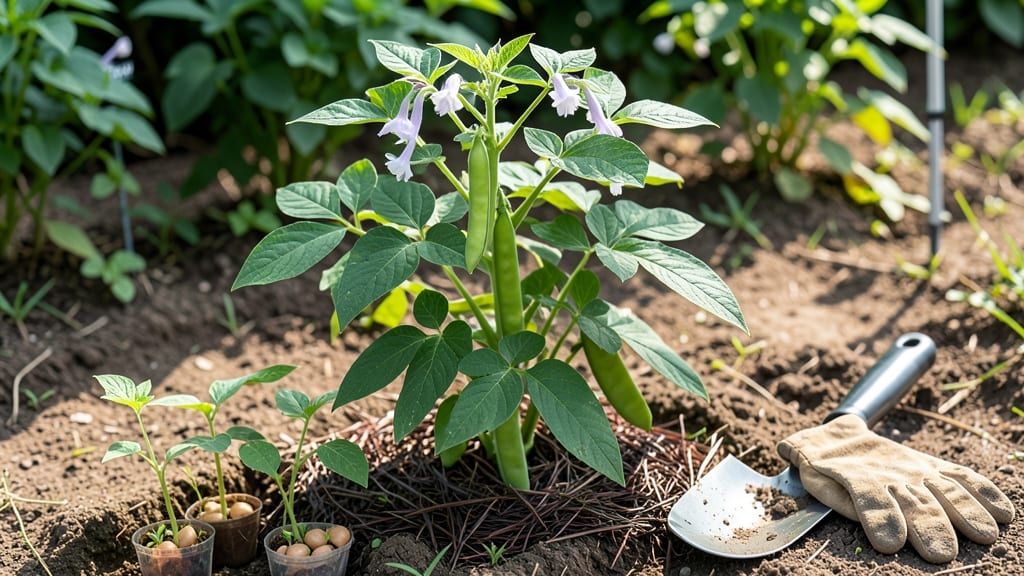
Planting bush beans 🌱 in Florida isn’t just about grabbing seeds and sticking them in the dirt—it’s about outsmarting the heat and humidity to avoid bitter, stringy pods before they even ripen.
The wrong timing can turn your garden into a science experiment, but get it right, and you’ll enjoy fresh, tender beans straight from your yard for months.
Florida’s climate is a double-edged sword: while you can plant bush beans year-round, the key is avoiding the brutal summer sun in North Florida or the unpredictable rain patterns that can stress your plants.
The sweet spot? Late winter to early spring and late summer to early fall—when temperatures cooperate and your beans have the best shot at thriving.
I’ve grown bush beans in Florida’s 8a-11 zones for years, and the difference between a bountiful harvest and a failed crop often comes down to knowing when to plant.
Whether you’re in Miami’s steamy heat or Orlando’s slightly cooler microclimate, I’ll break down the exact windows and tricks to keep your beans happy and productive.
Ready to turn your garden into a bean bonanza? Let’s dive into the microclimate-specific planting schedule that’ll have you harvesting crisp, flavorful pods in no time—without the guesswork.
Florida’s 3 microclimates for planting bush beans (and their exact dates)
Florida’s diverse microclimates mean planting dates for bush beans can vary by 6+ weeks depending on your location. North Florida’s cooler winters and Central Florida’s transitional zones create unique growing windows that South Florida gardeners rarely face. Understanding these differences helps avoid bolting (premature flowering) and ensures consistent harvests year-round.
In North Florida (Zones 8a-9a), where occasional light frosts can occur, the ideal window is mid-March to early May for spring crops. This region’s cooler temperatures slow early growth, so waiting until soil reaches 60°F+ is critical.
For fall, plant late August to mid-September to avoid summer’s peak heat stress.
Central Florida (Zones 9b-10a) offers a longer growing season with minimal frost risk. Here, you can plant early February to late April for spring and mid-August to early October for fall. The extended warm season allows for two full harvests annually if managed correctly.
South Florida (Zones 10b-11) enjoys year-round planting, but timing still matters. For spring crops, aim for January to March, while fall plantings should happen July to early September. The key is avoiding mid-summer heat (June-August), which causes bolting within weeks.
Here’s how these regions compare for bush bean planting, including soil temperature thresholds and heat tolerance limits:
| Region | Spring Planting Window | Fall Planting Window | Soil Temp Threshold (°F) | Heat Tolerance Limit (°F) |
|---|---|---|---|---|
| North Florida (Zones 8a-9a) | Mid-March to early May | Late August to mid-September | 60°F+ | 85°F (bolting risk) |
| Central Florida (Zones 9b-10a) | Early February to late April | Mid-August to early October | 58°F+ | 90°F (bolting risk) |
| South Florida (Zones 10b-11) | January to March | July to early September | 55°F+ | 95°F (bolting risk) |
For North Florida gardeners, the late March window is non-negotiable—planting earlier risks frost damage, while waiting too long exposes plants to summer’s brutal heat. Use black plastic mulch to warm soil faster if needed.
In Central Florida, the February start gives plants a head start before temperatures rise. If you notice leaves yellowing or plants wilting by 10 AM, they’re struggling with heat—time to provide afternoon shade with shade cloth.
South Florida’s year-round flexibility is a gardener’s dream, but July plantings require daily watering and morning harvests to beat the heat. Avoid planting in June unless you’re using drip irrigation and shade cloth.
Pro tip: Use a soil thermometer to confirm readiness—60°F+ soil is your green light for planting. In North Florida, this might mean waiting until mid-April for true reliability.
Florida’s 3 microclimates for planting bush beans (and their exact dates)
Florida’s climate isn’t one-size-fits-all—what works in Miami’s Zone 11 might fail in Panama City’s Zone 8a. The state’s three distinct microclimates create wildly different planting windows for bush beans.
In North Florida, cooler winters and hotter summers demand earlier spring plantings, while South Florida gardeners can stretch harvests year-round with careful timing.
Your first step? Check your last frost date. North Florida (zones 8a-9a) averages January 15-February 15, while South Florida (zones 10a-11) rarely sees frost. Soil temperature matters more than air temperature—aim for 60°F+ at 2-inch depth before planting. Use a soil thermometer to avoid guessing.
| Region | USDA Zone | Ideal Planting Window | Avoid Planting | Key Tip |
|---|---|---|---|---|
| North Florida | 8a-9a | Feb 15-March 15 (spring) / Aug 15-Sept 15 (fall) | June-August (peak heat) | Use shade cloth in summer |
| Central Florida | 9b-10a | Jan 15-Feb 15 (spring) / Sept 1-Oct 1 (fall) | May-July (heat stress) | Succession plant every 2 weeks |
| South Florida | 10b-11 | Year-round (best: Oct-Mar) | None (but watch for hurricanes) | Mulch heavily to retain moisture |
In North Florida, I’ve found that planting blue lake bush beans in late February gives you a 60-day harvest window before summer heat sets in. For fall crops, aim for mid-August—this lets beans mature before September’s humidity spikes.
Central Florida gardeners can stretch this even further with succession planting every two weeks from January through October.
South Florida’s advantage is its longer frost-free season. Here, you can plant contender bush beans in October for a winter harvest or even experiment with summer plantings under shade cloth.
The key is monitoring soil moisture—Florida’s summer rains can quickly turn to drought, stressing your plants. I recommend drip irrigation for consistency.
Pro tip: Use black plastic mulch to warm soil faster in spring. In North Florida, this can shave 2-3 weeks off your planting timeline. For fall crops, remove mulch in late summer to let soil cool naturally.
Timing is everything—get it right, and you’ll enjoy harvests every 3 months instead of just once a year.