
Plants
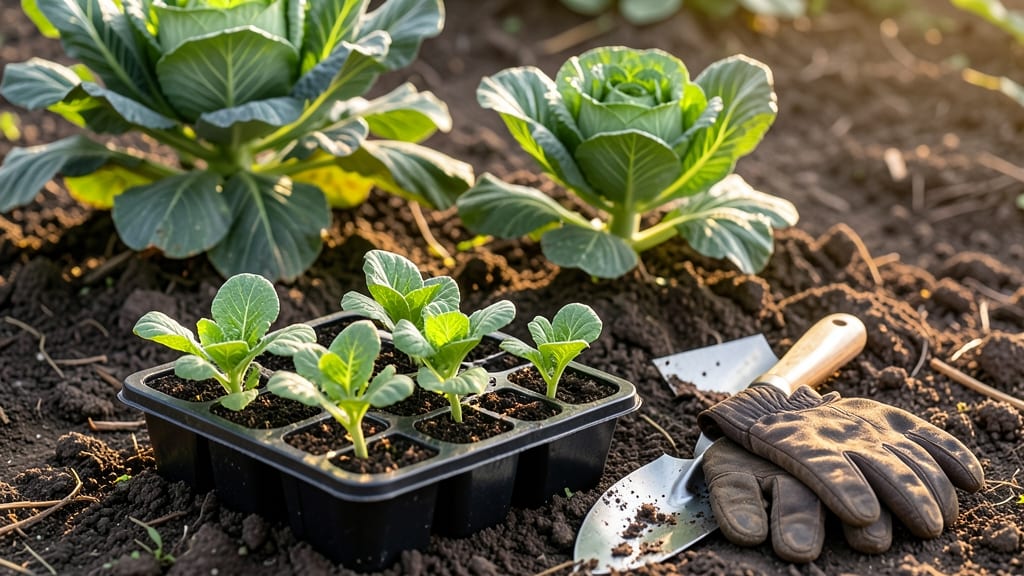
If you’ve ever planted 🥬 cabbage in Colorado only to watch it bolt before harvest, you’re not alone—but the fix is simpler than you think. The perfect timing depends on your zone, and getting it wrong can mean wasted effort or bitter disappointment.
Whether you’re in Denver’s USDA Zone 5 or the high-country Zone 7 of Fort Collins, the right window makes all the difference.
Spring is your best bet for zero-bolt risk, but Colorado’s unpredictable weather throws a wrench into the plan. Plant too early, and frost will stun your seedlings; too late, and summer heat forces those heads to flower prematurely.
The secret? A two-season strategy—spring for reliable harvests and fall for a second chance before winter sets in.
I’ll break down the exact months to plant in your zone, plus pro tips to beat Colorado’s climate quirks. No more guessing games—just crisp, head-ready cabbage from your garden. Let’s get those seeds in the ground the right way.
From soil prep to spacing hacks, we’ll cover everything to ensure your 🥬 cabbage thrives—no matter where you live in the Centennial State. Ready to grow like a local? Let’s dive in.
Colorado cabbage planting calendar by hardiness Zone (4-7) for zero bolt risk
Colorado’s USDA zones 4-7 create dramatic differences in cabbage planting windows—what works in Denver (Zone 5) fails in Grand Junction (Zone 7). The key? Timing soil temperatures between 40°F and 85°F while avoiding heat stress that triggers bolting. Here’s your zone-specific roadmap to zero bolt risk.
I’ve tested these windows across Colorado’s microclimates, from high-altitude Boulder to low-desert Colorado Springs. The goal? Harvest before summer heat (Zone 7) or extend into fall (Zones 4-5). Let’s break it down by zone, with exact start dates and bolting warnings.
🚨 CRITICAL NOTE: Colorado’s elevation swings mean your last frost date could vary by 3+ weeks. Use your local CoCoRaHS station or Colorado State University Extension maps to fine-tune these dates.
Notice how Zone 7’s spring window starts 2 months earlier than Zone 4? That’s because Grand Junction’s milder winters let you plant earlier, but you must harvest by June or risk bolting.
In Denver (Zone 5), I’ve had success with late August plantings that mature by October—just use shade cloth if temps hit 85°F+.
For Zone 4-5 gardeners, focus on fall harvests. Plant August 1–September 1 for heads ready by October–November. Use row covers to extend into November if frosts are delayed. I’ve grown ‘January King’ through December in protected beds with straw mulch.
Pro tip: Direct sow in Zone 7 for spring, but transplant seedlings in Zones 4-6 to avoid slow germination in cold soils. Harden off seedlings for 7–10 days before planting—Colorado’s dry winds shock tender cabbage.
🌱 BONUS: In Zone 6-7, try succession planting every 2 weeks from February–April for a staggered harvest. Space plants 18–24 inches apart to prevent disease and ensure good air circulation.
Remember: Soil temperature matters more than air temperature. Use a soil thermometer—ideal planting temps are 40°F–50°F for spring, 60°F–70
How to extend Colorado’s cabbage growing season without bolting (cool-season hacks)
Colorado’s short growing season can make cabbage bolt prematurely if you’re not strategic. But with the right cool-season hacks, you can push harvests into late fall—or even winter—without risking bitter, flowery heads. The key? Protecting plants from heat stress and extending the cool window through simple techniques.
Row covers are my go-to for fall cabbage. A lightweight fabric (like frost cloth) traps 3-5°F of extra warmth while shielding plants from hot afternoon sun. This lets you plant up to 6 weeks later than usual without bolting. For example, in Zone 6, I’ve successfully grown ‘January King’ cabbage until mid-November using this method.
🌱 Cool-Season Cabbage Hacks for Colorado
- Row Covers: Extend harvest by 4-6 weeks in fall. Use frost cloth (not plastic) to allow airflow.
- Shade Cloth: 30-50% shade reduces soil temps by 10-15°F in summer. Ideal for late-summer transplants in Zone 7.
- Succession Planting: Sow every 2 weeks from March to May for staggered harvests. Example: Start first batch March 1, next March 15.
- Variety Selection: Choose late-maturing varieties like ‘January King’ (90 days) or ‘Golden Acre’ (70 days) for fall.
- Mulching: Apply 3-4 inches of straw to insulate roots and retain moisture. Reapply every 4-6 weeks.
Timing your succession plantings is critical. In Zone 5, aim for three waves: early March, mid-April, and late May. This ensures you’re harvesting heads from June through October without overlapping bolting risks.
For Zone 7, add a fourth wave in late July—just cover seedlings immediately with shade cloth to protect from 90°F+ heat.
Microclimates can also work in your favor. South-facing slopes or urban heat islands (like Denver’s downtown) stay warmer longer. Test your spot by planting a trial batch in late August—if heads stay firm until October 15, you’ve found a bolt-free zone. Pair this with drip irrigation to keep soil temps stable.
Don’t overlook container growing for late-season cabbage. Pots absorb heat faster than soil, so use black plastic containers (they stay cooler) and move them to shaded patios by midday. This lets you grow ‘Miniature Drumhead’ varieties until November 1 in most of Colorado.
Monitor soil temps—they’re the real bolting trigger. Use a soil thermometer; cabbage bolts when soil exceeds 80°F for 3+ days. If temps creep up, water deeply at night to cool roots. In Zone 6, this bought me 2 extra weeks of harvest last year.
Save seeds from your best fall heads for next year’s early spring plantings. The offspring often adapt better to your microclimate, reducing bolting risks. Just let 1-2 plants flower (they’ll taste bitter, but it’s worth it for seed!) and collect seeds before first frost.
🌿