
Plants
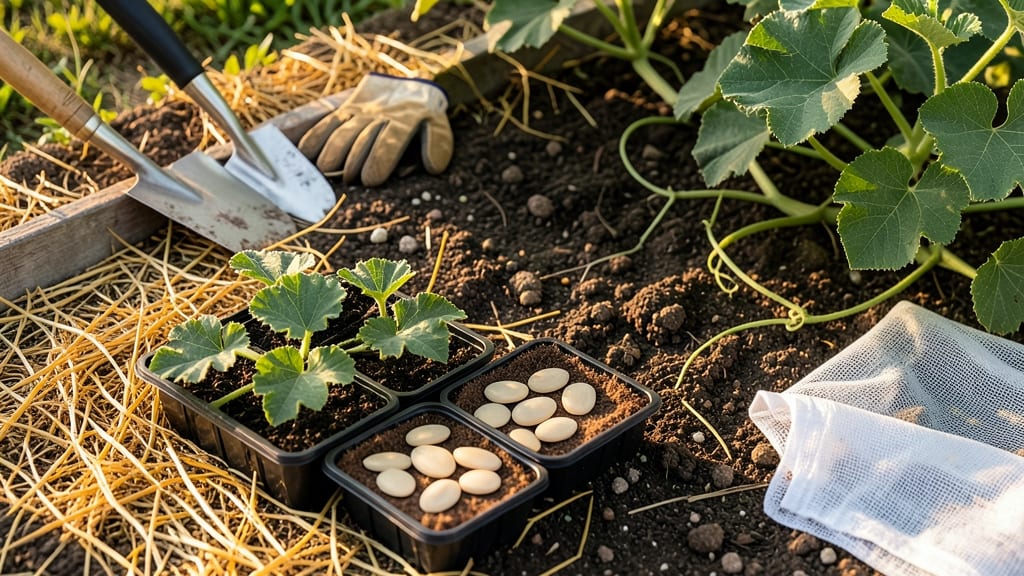
Planting cantaloupe in Indiana isn’t just about dropping seeds in the dirt—it’s about catching that perfect frost-free window when your 🍈 vines can finally thrive. Skip the timing, and you’ll either lose your plants to late frosts or watch summer slip away before your melons ripen.
Here’s the deal: Indiana’s USDA Zone 6a gives you a tight 30-day window between the last frost (usually mid-April) and when soil warms enough for cantaloupe to germinate. Get it wrong, and you’ll end up with bitter fruit—or worse, no harvest at all.
I’ll break down exactly when to plant—whether you’re starting seeds indoors or sowing directly—plus how to use soil temperature as your secret weapon. No more guessing games, just sweet, vine-ripened cantaloupe by July.
Ready to turn your Indiana garden into a cantaloupe goldmine? Let’s dive into the timing that makes all the difference.
Indiana’s frost-free dates & ideal planting windows for cantaloupe success
Indiana’s climate varies dramatically from its northern USDA Zone 5 regions to southern Zone 6 areas, which directly impacts cantaloupe planting. In Northern Indiana, the average last frost date hovers around May 15, while Southern Indiana typically sees frost-free conditions by April 20.
Since cantaloupe thrives as a warm-season crop, planting too early risks frost damage, but delaying too long may cut your harvest short.
Cantaloupe needs a 90-100 day growing season from seed to harvest, meaning you must plant when at least 30 days of warm weather remain. For Indiana, this translates to a late April to early May window for most regions.
However, gardeners in Zone 5 should wait until mid-May to ensure soil warmth and avoid transplant shock.
Here’s the critical data you need to plan your Indiana cantaloupe planting:
| Region | Last Frost Date | Ideal Planting Window | Harvest Window | Key Tip |
|---|---|---|---|---|
| Northern Indiana (Zone 5) | May 15 | Mid-May to early June | Late July to August | Use row covers for early starts |
| Central Indiana (Zone 5b) | April 25 | Late April to early May | Mid-July to early August | Black plastic mulch warms soil faster |
| Southern Indiana (Zone 6) | April 20 | Late April to early May | Late June to July | Succession plant every 2 weeks |
For Northern Indiana gardeners, the window is tight—planting after May 15 may result in a shorter harvest before fall’s first frost (October 15). In contrast, Southern Indiana offers a longer season, allowing for two planting batches if you choose fast-maturing varieties like 'Athena' or 'Hale’s Best'.
Pro tip: Check Indiana’s Purdue Extension frost maps annually, as microclimates near lakes or urban areas can shift frost dates by 1-2 weeks. For example, Lake Michigan’s influence may delay frost in Northwest Indiana by up to 7 days compared to inland areas.
If you’re unsure about your local frost date, opt for direct sowing after May 1 in most of Indiana—this balances risk and reward. Cantaloupe seeds germinate best in 70°F+ soil, so wait for daytime temperatures to consistently stay above 65°F before planting.
For extended harvests, consider succession planting every 2 weeks in Southern Indiana. This ensures a steady supply of ripe cantaloupes from late July through August, just in time for summer picnics and preserves.
Remember: Cantaloupe vines spread 6 feet wide, so plan your garden layout accordingly. Group plants in hills or mounds to improve drainage and prevent rot—a common issue in Indiana’s clay-heavy soils.
🌱
Soil temperature & cantaloupe germination: when to start seeds indoors vs. direct sowing
Indiana’s soil temperature is the real game-changer for cantaloupe success. Seeds won’t germinate until the soil hits 60°F+, but your vines need 70°F+ to grow like gangbusters. That’s why timing your start—whether indoors or outdoors—isn’t just about frost dates but about heat-ready soil.
Most Indiana gardeners wait until mid-to-late May for direct sowing, but that’s a gamble if May stays cool. If you’re starting seeds indoors in March, you’ll need to harden them off carefully before transplanting after the last frost.
The key? Match your planting method to your climate zone—Northern Indiana’s cooler soils mean later starts, while Southern Indiana can get an earlier jump.
| Method | When to Start | Soil Temp Needed | Indiana Timeline |
|---|---|---|---|
| Indoor Start | 3-4 weeks before last frost | 60°F+ (germination) | March 15 - April 1 (transplant after May 15) |
| Direct Sow | After last frost | 70°F+ (optimal growth) | May 15 - June 1 (Northern IN) / April 20 - May 10 (Southern IN) |
Pro tip: Use a soil thermometer to check temperatures—don’t guess! If your soil’s still below 70°F in early May, wait. Cantaloupe hates cold feet, and slow starts lead to stunted vines. For a head start, lay down black plastic mulch 2-3 weeks before planting to warm the soil faster.
Transplant shock is another big risk. If you start seeds indoors, wait until your seedlings have 2-3 true leaves and harden them off for a week before moving them out after the last frost.
Direct sowing is simpler but riskier in Indiana’s unpredictable spring—so if you’re new to cantaloupe, indoor starts give you more control.
Don’t forget: Cantaloupe is a warm-season crop, so even if your seedlings look strong, they’ll stall if nights dip below 55°F. Use row covers for early starts to protect young plants from late frosts. Once your vines are established, though, they’ll reward you with sweet, sun-ripened fruit by July.
Timing isn’t just about the calendar—it’s about soil science. Get this right, and you’ll be slicing into juicy cantaloupe by midsummer. Miss it, and you’ll be left with bitter melons or no harvest at all. 🍈