
Plants
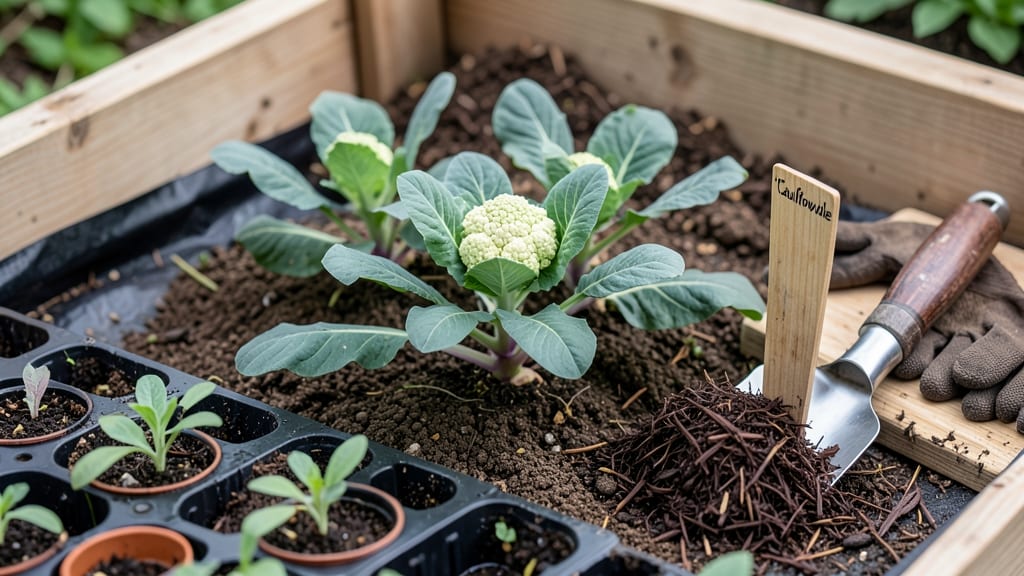
Knowing when to plant cauliflower in Zone 7 can mean the difference between a bountiful harvest and a bitter disappointment. That perfect head of 🥬 you’ve been dreaming of won’t form if you miss the sweet spot between frost dates and heat waves.
Spring planting in Zone 7 starts as early as March, but timing is critical—plant too soon, and your cauliflower bolts before it matures. Fall planting offers a second chance, with ideal windows opening in August for a late-season harvest.
The key? Understanding your last frost date and soil temperatures to avoid common pitfalls.
Whether you’re a seasoned gardener or just starting, I’ll break down the exact planting windows, transplanting tips, and how to extend your growing season. No more guesswork—just science-backed dates to help your 🥬 thrive from seed to harvest.
Ready to master the art of cauliflower timing? Let’s dive into the best practices for Zone 7 gardens and ensure your next crop is everything you’ve been hoping for.

Perfect cauliflower planting timeline in Zone 7 to avoid bolting
Mastering the perfect cauliflower planting timeline in Zone 7 means avoiding two deadly enemies: early bolting from warm soil and frost damage from late cold snaps.
The key? Plant when soil temps hit 40-50°F but air temps stay below 80°F—this sweet spot prevents premature flowering while ensuring strong root establishment.
For Zone 7 gardeners, timing isn't just about months—it's about heat degree days and frost-free windows. With an average last frost date of March 15 and first frost around November 15, you've got a 180-day growing window.
But cauliflower needs 70-90 days to maturity, leaving just 3-4 months for each planting cycle.
Here's the science-backed breakdown: spring planting should start 4-6 weeks before your last frost date (so February 15-March 1 in most of Zone 7), while fall planting begins 10-12 weeks before first frost (August 1-September 5).
This timing ensures heads form during cooler months when they won't bolt from heat stress.
🌱
Zone 7 Cauliflower Planting Timeline
| Planting Window | Ideal Start Dates | Soil Temp | Key Consideration |
|---|---|---|---|
| Spring Transplant | Feb 15 - Mar 1 | 40-50°F | 4-6 weeks before last frost |
| Spring Direct Sow | Mar 15 - Apr 1 | 50-60°F | After soil warms |
| Fall Transplant | Aug 1 - Sep 5 | 50-60°F | 10-12 weeks before frost |
| Fall Direct Sow | Sep 15 - Oct 1 | 55-65°F | For late-season harvests |
🌡️ Pro Tip: Use a soil thermometer to verify temps—cauliflower roots need consistent coolness to prevent bolting.
Why these dates matter: Cauliflower is a cool-season crop that bolts when stressed by heat. Planting in late winter/early spring lets it mature before summer's 85°F+ temps trigger flowering. Similarly, fall planting capitalizes on cooler autumn air while avoiding early frost.
For direct sowing (planting seeds directly in the garden), wait until soil reaches 50-60°F—typically mid-March for spring and mid-September for fall. But be warned: direct-sown cauliflower takes 10-15% longer to mature than transplants, cutting your harvest window.
🌿
Your Zone 7 microclimate plays a huge role. If you're in cooler micro-zones (7a), push spring planting to late March to avoid early bolting. In warmer micro-zones (7b), start fall planting by early August to finish before heat sets in.
Always check your local frost dates—they can vary by 1-2 weeks even within Zone 7.
One critical mistake Zone 7 gardeners make? Planting too early and letting seedlings sit in cold, wet soil for weeks. This causes rot and poor root development, setting up failure. Instead, use row covers to warm soil faster or start seeds indoors 6-8 weeks before transplanting.
For maximum success, pair your planting dates with cold-hardy varieties like 'Snowball Y Improved' (70 days) or 'Purple of Sicily' (85 days). These tolerate brief temperature dips and heat fluctuations better than standard types.
And always harden off transplants for 7-10 days before setting them out—this 1-week process prevents transplant shock.
✂️
How to extend your cauliflower growing season in Zone 7 without risks
Zone 7 gardeners can enjoy two full cauliflower harvests per year with the right strategies. Fall and winter planting might seem risky, but cold-hardy varieties and protective techniques make it foolproof. The key is choosing the right varieties and timing your plantings to avoid heat stress while maximizing cool-season growth.
For fall harvests, focus on varieties like 'Snowball Y Improved' or 'Purple of Sicily', which tolerate light frosts. Start seeds indoors 8-10 weeks before your first frost (around August 1st in Zone 7) or transplant young plants by mid-August to ensure heads form before cold sets in.
Here’s how to protect your plants during cooler months: use row covers to shield from light frosts, mulch heavily to insulate roots, and choose shade-tolerant varieties if your garden gets afternoon sun. These small adjustments can add 4-6 weeks to your growing season.
- 1. Choose cold-hardy varieties: 'Snowball Improved' or 'Chef's Choice' tolerate 25°F with protection.
- 2. Time fall plantings: Transplant by August 15th for October-November harvests.
- 3. Use row covers: Protect from light frosts (below 28°F) with floating row covers.
- 4. Mulch heavily: Apply 4-6 inches of straw to insulate roots.
- 5. Succession plant: Sow every 2 weeks from August-September for staggered harvests.
- 6. Fertilize wisely: Use low-nitrogen fertilizer (5-10-10) to prevent bolting.
If you’re aiming for winter harvests, focus on 'Winter White' or 'Graffiti' (purple cauliflower), which handle 30°F temperatures better than most. Start seeds indoors in late July and transplant by early September, then use mini greenhouses or cold frames to extend the season.
For spring harvests from overwintered plants, start with hardened-off transplants in October-November. These plants will sit dormant through winter and bolt less when temperatures rise in spring. Just be sure to water consistently during dry spells, as overwintered plants are more vulnerable to stress.
Remember: Soil temperature matters most. Cauliflower roots struggle below 45°F, so avoid planting when soil temps drop. Use a soil thermometer to confirm conditions before transplanting—this small step can double your success rate.