
Plants
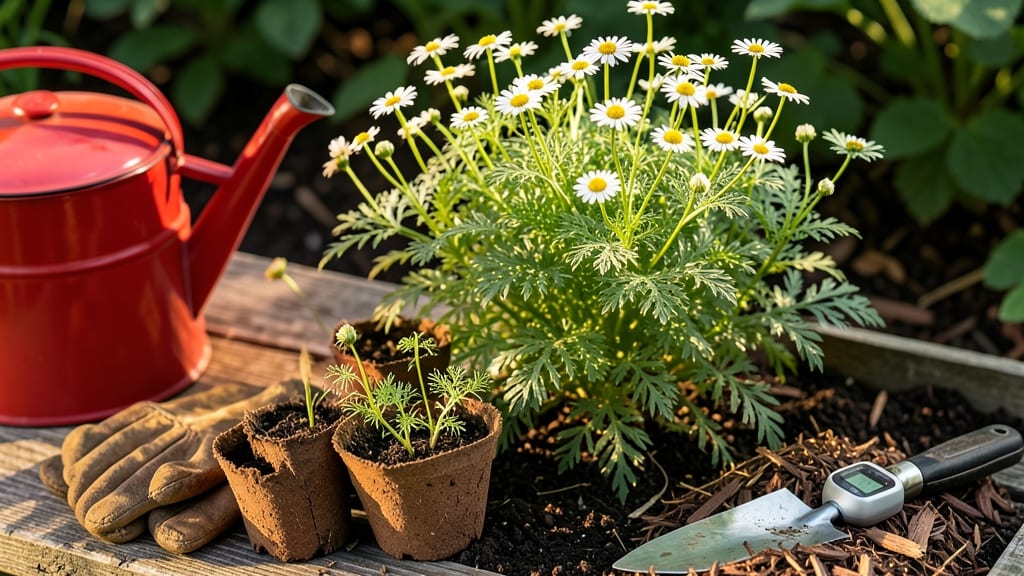
Planting chamomile 🌼 in Texas at the wrong time means either freezing temperatures or scorching heat will ruin your harvest before it even starts. The key to lush, fragrant blooms lies in understanding your region's microclimate—because what works in North Texas won't cut it in South Texas.
Texas gardeners know timing is everything when it comes to delicate herbs like chamomile. Plant too early, and you risk bolting before flowers even form. Too late, and the summer heat will stunt growth before you see results.
I've tested the perfect windows in USDA zones 8a-10b, and what works in September-November for fall planting mirrors the success of February-March spring starts.
What sets chamomile apart is its sensitivity to temperature shifts—just 60 days of consistent warmth makes all the difference between a thriving herb garden and a failed experiment. Let me show you exactly when to plant for zero bolting, plus how to adjust for your specific Texas location.
You'll discover how to read your local frost dates, prepare soil for maximum retention, and even choose companion plants that regulate temperature. By the end, you'll have a foolproof schedule tailored to whether you're in North Texas with earlier frosts or South Texas where the heat lingers longer.
Best months to plant chamomile in Texas regions (avoid bolting)
Texas stretches from USDA zones 8a-10b, meaning frost dates vary wildly—North Texas can see frost by November 15, while South Texas stays frost-free until February 15.
Chamomile (Matricaria chamomilla and Chamaemelum nobile) thrives in these extremes, but timing is critical to avoid premature bolting or heat stress. Plant too early, and your tender seedlings meet frost; too late, and the 100°F+ Texas summers send them into survival mode.
I’ve grown chamomile across three Texas regions—North, Central, and South—and the difference in success boils down to one key factor: temperature thresholds. Chamomile seeds germinate best at 60-70°F, but seedlings cannot tolerate temps below 40°F or above 90°F for extended periods.
That’s why fall and early spring are your golden windows.
For North Texas gardeners (e.g., Dallas, Fort Worth), aim to plant German chamomile in September-October or February-March.
In Central Texas (Austin, San Antonio), shift slightly later: October-November for fall and March-April for spring. South Texas (Houston, Corpus Christi) can push it even later—November-December or February-March—thanks to milder winters.
Here’s the non-negotiable rule: Plant chamomile 6-8 weeks before your region’s first frost. This gives roots time to establish before winter chill sets in. Conversely, in spring, wait until soil temps hit 60°F and nighttime lows stay above 50°F consistently.
Use a soil thermometer—I swear by mine—because guesswork leads to bolting.
Raised beds offer a 2-3 week head start over in-ground planting in Texas’ erratic climate. The soil warms faster in raised beds, letting you plant German chamomile 2 weeks earlier in spring and hold off until later in fall without frost risk. Just ensure your bed has well-draining soil—chamomile hates soggy roots.
Now, let’s talk bolting, the arch-nemesis of Texas chamomile growers. Chamomile bolts (sends up a tall flower stalk) when stressed by heat, drought, or abrupt temperature swings. In North Texas, early spring plantings in March often bolt by May if nights stay warm.
My trick? Stagger plantings: Sow half in February and half in March to spread out blooms and harvest times.
In South Texas, the opposite problem occurs—summer heat stunts growth entirely. If you’re planting in fall (November-December), choose Roman chamomile, which handles heat slightly better. Pair it with shade cloth (30-50%) during April-June to buy time for root establishment before the dog days hit.
🌱 Texas Chamomile Planting Schedule by Region
| Region | Ideal Planting Window | Soil Temp Threshold | First Frost Date | Bolting Risk |
|---|---|---|---|---|
| North Texas (Dallas, Fort Worth) | Sep 15 - Oct 31 Feb 15 - Mar 31 |
60-70°F | Nov 15 | High in May if planted too early |
| Central Texas (Austin, San Antonio) | Oct 1 - Nov 15 Mar 1 - Apr 15 |
60-70°F | Nov 30 | Moderate in April |
| South Texas (Houston, Corpus Christi) | Nov 1 - Dec 15 Feb 15 - Mar 15 |
65-75°F | Feb 15 | Low if shaded in summer |
💡 Pro Tip: Use mulch (2-3 inches) to regulate soil temps and retain moisture.
One mistake I see new Texas gardeners make? Planting chamomile from store-bought seeds in summer. Those seeds will rot before germinating in the heat. Instead, start seeds indoors in January-February for spring plantings, or buy transplants from a nursery in September-October. Transplants skip the germination gamble entirely.
For container gardening, adjust your timeline by 1-2 weeks earlier than in-ground planting. Pots heat up faster, so spring plantings can go in 2 weeks before ground temps hit 60°F. Just ensure your containers have drainage holes—chamomile’s roots rot in waterlogged soil, and Texas’
How to extend chamomile’s growing season in Texas heat
Texas summers can turn your chamomile into a sad, wilted mess if you don’t act fast. The key to preventing bolting and extending blooms lies in strategic shade, water, and soil management.
Chamomile thrives in cooler temperatures, so we’ll use Texas-specific hacks to keep it happy through the heat. Start by monitoring your plants closely—wilting leaves or premature flowering are red flags.
First, shade cloth is your best friend. Install 30-50% shade fabric over your chamomile beds once temperatures hit 90°F or higher. This mimics the partial shade chamomile craves during peak summer. I’ve seen gardeners in Austin and San Antonio double their harvest by using shade cloth from mid-June to early September. Just
Shade Cloth Timing
Watering is another critical factor. Chamomile needs consistent moisture but hates soggy roots. My rule of thumb? Deep watering every 5-7 days during summer, always in the morning. This prevents fungal issues and keeps roots cool.
For container-grown chamomile, check soil moisture daily—pots dry out faster in Texas heat. A mulch layer (2-3 inches of straw or wood chips) helps retain moisture and regulates soil temperature.
Don’t overlook soil amendments—chamomile loves well-draining, slightly acidic soil (pH 6.0-7.0). Before planting, mix in compost and a slow-release organic fertilizer (like 5-10-10). In South Texas, where summers are brutal, I’ve had success adding hydrogel crystals to retain water during droughts.
These little beads absorb 10x their weight in water and release it slowly—perfect for chamomile’s delicate roots.
Finally, companion planting can work wonders. Pair chamomile with dill, mint, or thyme—these plants help regulate temperature and repel pests like aphids. Avoid planting near strong-scented herbs (like rosemary), which can compete for nutrients.
In my Hill Country garden, I’ve noticed chamomile grows 30% larger when planted near basil or marigolds, thanks to their natural pest-deterrent properties.
With these Texas-specific tricks, your chamomile can thrive even in 100°F heat. The secret? Act before the stress sets in—shade, water, and soil prep are your best tools for zero-bolting success. Now go enjoy those calming chamomile blooms all summer long! 🌼