
Plants
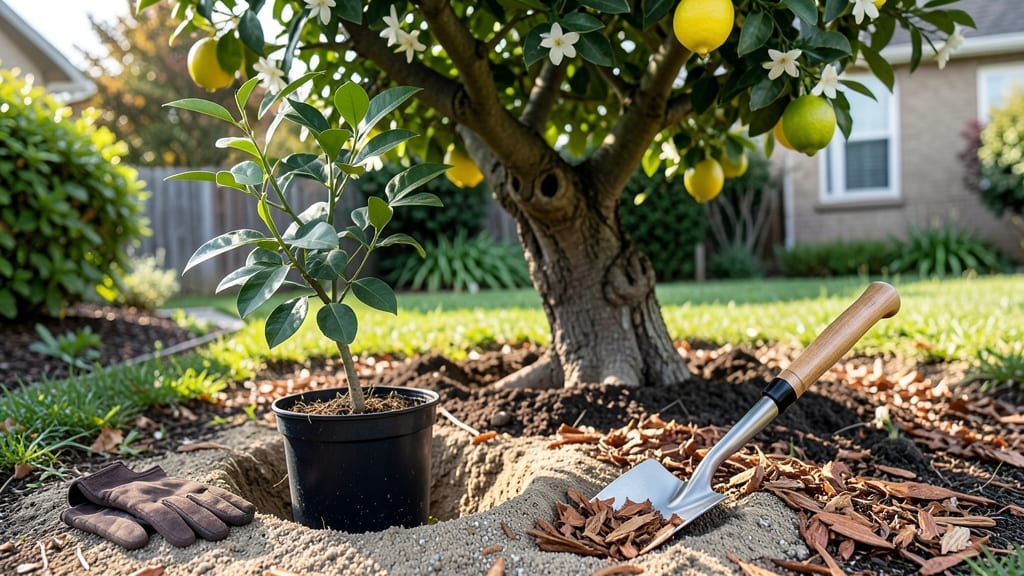
Planting citrus 🍊 in Arizona isn’t just about grabbing a tree and sticking it in the ground—it’s about playing the timing game right.
The best months to plant are November through February, when cooler temps and lower frost risk give young roots the perfect chance to establish before summer’s brutal heat arrives.
Why does timing matter so much? Because Arizona’s climate swings from near-freezing desert nights to 110°F+ afternoons. Plant too early, and a surprise frost could wipe out your sapling. Too late, and your citrus will struggle to adapt before the scorching sun sets in.
This guide breaks down the exact windows for planting citrus in Arizona’s 9b zone, whether you’re in the low desert or higher elevations. You’ll learn how to prep your soil, choose the right varieties, and give your trees the best shot at thriving year-round.
Ready to grow your own citrus? Let’s dive into the most important steps to ensure your trees take root—and keep producing fruit for decades.
Best months to plant citrus trees in Arizona by region
Arizona’s diverse climate—from the scorching Low Desert to the cooler Mountain Regions—means citrus planting windows vary dramatically. The ideal time to plant is during the coolest months, when soil temperatures stay above 60°F (15°C) but frost risks are minimal.
For most of Arizona, this means November through February, with slight adjustments based on elevation.
In the Low Desert (Phoenix, Tucson), where winters are mild, you can plant as early as late October and extend through March.
However, the High Desert (Prescott, Flagstaff) and Mountain Regions (Sedona, Show Low) require more caution due to late frosts—wait until December or January to ensure safety. Understanding your microclimate is key to avoiding frost damage to young, vulnerable roots.
🌱
If you’re planting in containers, you can extend your window slightly—March or early April works in the Low Desert—because potted trees warm up faster.
However, bare-root citrus trees (often sold in winter) should always go into the ground before active growth begins, typically by late February in most zones.
For container-grown citrus (like Meyer lemons or Calamondin), the window is more flexible. These can be planted in spring (March-April) as long as you harden them off first and provide afternoon shade during the hottest months. Just be prepared to water deeply and mulch heavily to retain moisture.
One critical mistake many Arizona gardeners make is planting citrus in summer. The intense heat and dry winds stress young trees, leading to transplant shock. If you miss the winter window, wait until fall (September-October) for a second chance—just ensure soil temps stay above 60°F (15°C).
🌡️
Pro tip: Check your local Cooperative Extension Service for frost alerts and soil temperature data. In Arizona, the University of Arizona Extension provides free frost-free date maps that align with citrus planting readiness.
For example, Phoenix’s last frost is around January 15, while Flagstaff’s can linger until March 1.
Once you’ve nailed the planting window, the next step is preparing your soil and site. Arizona’s alkaline soils and intense sunlight require special care—like amending soil pH and protecting from windburn. We’ll cover those essential prep steps in the next section.
☀️
How to prepare your Arizona soil and site for citrus planting
Arizona’s alkaline soils and intense sun create unique challenges for citrus growers. Before planting, focus on drainage, pH balance, and wind protection—three critical factors that separate thriving trees from struggling ones.
Citrus roots need well-aerated soil to avoid rot, while the right pH (around 6.0–7.0) ensures nutrient uptake. Let’s break down the essential prep work to give your citrus the best start.
Start by testing your soil’s pH level using a simple kit from your local nursery. Arizona’s native soils often test 7.5–8.5, which is too alkaline for citrus.
To lower the pH, mix in sulfur or peat moss (2–3 pounds per 100 square feet) and till it into the top 12 inches of soil. For drainage, avoid low spots where water pools—citrus roots hate soggy conditions and can rot in just days.
- Test soil pH (ideal: 6.0–7.0); amend with sulfur or peat moss if too alkaline.
- Add compost or well-rotted manure (5–10 gallons per planting hole) for organic matter.
- Mix in coarse sand or perlite to improve drainage in heavy clay soils.
- Choose a south-facing spot with 6+ hours of sun daily; avoid afternoon shade.
- Plant at least 10 feet from structures to prevent root competition and improve airflow.
- Use windbreaks (e.g., trellises, fences) if your yard is exposed to dry desert winds.
- Dig a hole twice as wide as the root ball but no deeper.
- Loosen roots if pot-bound; trim circled or mushy roots with clean pruners.
- Place a 1-inch layer of gravel at the bottom to prevent waterlogging.
Watering your newly planted citrus before and after planting is non-negotiable. Soak the root ball thoroughly 24 hours before transplanting to reduce shock, then water deeply again immediately after planting.
Use a drip irrigation system or soaker hose to deliver water slowly at the base—this mimics natural rainfall and encourages deep root growth. Avoid overhead sprinklers, which can spread fungal diseases like citrus greening.
Mulching is another game-changer in Arizona’s climate. Spread 3–4 inches of organic mulch (like wood chips or straw) around the base of your tree, keeping it 3 inches away from the trunk to prevent rot.
Mulch helps retain moisture, regulates soil temperature, and suppresses weeds—all critical in the desert’s extreme heat. Replenish mulch annually to maintain its effectiveness.
Finally, protect your young citrus from winter chill and summer sunburn. In colder months, wrap the trunk with burlap or use a tree guard to shield it from frost.
During summer, provide light shade (like a 30% shade cloth) for the first few weeks to help the tree acclimate to Arizona’s intense sunlight. These small steps make a huge difference in long-term health.
With the right soil prep and site conditions, your citrus will establish strong roots and thrive for years—even in Arizona’s toughest climate. Now that your site is ready, let’s dive into the best citrus varieties for your region and their specific planting needs.