
Plants
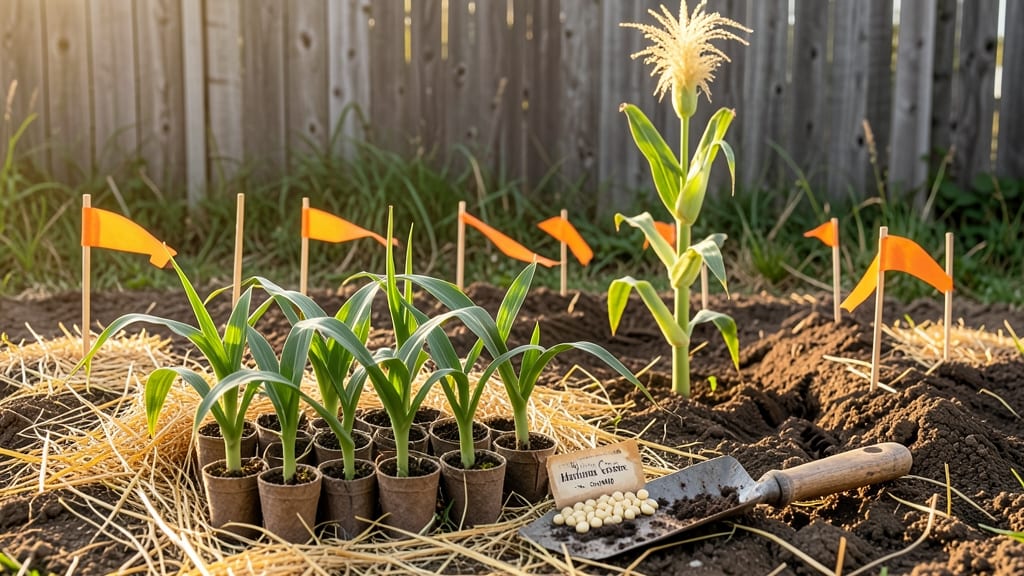
Timing your 🌽 corn planting in East Texas can make or break your harvest—get it wrong, and you’ll end up with stunted plants or bitter ears.
With USDA Zone 8a’s warm winters and long growing season, you’ve got a narrow window to plant for peak sweetness, and missing it means smaller yields or even total crop failure.
Most gardeners in East Texas swear by mid-April to early May as the golden planting window, but there’s more to it than just dates.
Soil temperatures need to hit at least 60°F before seeds go in, and waiting for 2-3 weeks after the last frost (usually around March 15) gives your corn the best start. Skipping these steps might mean slower growth or even pests taking over before your plants get strong.
What you’ll discover here are the exact strategies East Texas farmers use to maximize their corn harvests—from adjusting for humidity and soil prep to avoiding common mistakes that ruin yields.
Whether you’re growing sweet corn for summer meals or field corn for livestock, these tips will help you plan for a bountiful harvest from late July to early October.
Ready to turn your garden into a cornfield? Let’s break down the step-by-step timing and tricks that keep East Texas gardens thriving, so you can enjoy fresh, juicy ears all season long.
Optimal East Texas corn planting dates by variety type
East Texas gardeners know that corn thrives in warmth, but timing is everything. With USDA Zone 8a frost dates typically between March 15 (last frost) and November 15 (first frost), your planting window is short but sweet.
Most varieties need 60-70 days to mature, so aim for mid-April to early May for peak harvests between late July and October. Let’s break down the best planting times for each corn type.
Sweet corn, the most popular choice, should go in the ground 2-3 weeks after your last frost date—usually late March to early April in East Texas. This gives seedlings time to establish roots before summer heat sets in.
Field corn and popcorn, which take longer to mature, can wait until mid-April for a late-summer harvest. Always check your local National Weather Service for frost predictions to adjust your schedule.
Soil temperature is just as critical as air temperature. Corn seeds won’t germinate well below 60°F. Use a soil thermometer to confirm warmth before planting. In East Texas, soil typically hits this threshold by mid-April, but cooler springs may delay germination.
If your soil is still chilly, consider using black plastic mulch to warm it faster.
Here’s how to align your planting with East Texas’s climate and corn variety needs:
| Variety Type | Optimal Planting Window | Soil Temp Requirement | Days to Maturity | Frost Risk |
|---|---|---|---|---|
| Sweet Corn | Late March to early April | 60°F+ | 60-90 days | Low (if planted after last frost) |
| Field Corn | Mid-April to early May | 65°F+ | 90-120 days | Moderate (late plantings may struggle) |
| Popcorn | Mid-April to late April | 60°F+ | 100-120 days | Low (longer season, but needs heat) |
For sweet corn, prioritize early-maturing varieties like ‘Silver Queen’ or ‘Peaches and Cream’ to avoid East Texas’s late-summer heat stress. These varieties mature in 60-70 days, giving you a harvest before temperatures peak.
If you’re growing field corn for livestock or popcorn, opt for longer-season types like ‘Country Gentleman’ or ‘Strawberry Popcorn’ and plant no later than early May.
Succession planting is key in East Texas’s short growing season. After your first harvest in late July, replant every 2 weeks until mid-August to stretch your harvest into October. This works best with short-season varieties and ensures you’re not left with overripe ears.
Just be mindful of drought conditions—August in East Texas can bring dry spells, so keep soil moist during critical growth stages.
One common misconception is that corn can handle cool soil. It can’t! If you plant too early, seeds may rot in cold, wet soil. Always wait until soil is warm and dry—a simple finger test works.
Stick your finger 2 inches deep; if it feels warm, it’s ready. Pair this with a soil thermometer for precision, especially in unpredictable East Texas springs.
Pro tip: Mark your planting dates on a garden calendar and track backward from your first frost date. For example, if frost hits November 15 and your corn needs 100 days to mature, plant by August 15 for a late harvest.
This method helps avoid last-minute surprises when summer storms roll in.
Finally, don’t overlook companion planting. In East Texas, pair corn with beans or squash to improve soil nitrogen and deter pests. This classic trio thrives together, giving your corn the best chance to reach its full potential before the first frost.
With these East Texas-specific planting dates and tips, you’ll be on your way to a bountiful, frost-free corn harvest. Happy planting! 🌽
How to adjust planting dates for soil temperature and weather patterns
East Texas’s humid climate and variable spring temperatures mean your corn’s success hinges on precise timing. Unlike cooler regions, soil temperature is more critical than frost dates here—corn roots struggle below 50°F and thrive at 60°F+.
Use a soil thermometer to confirm readiness, especially in low-lying areas that cool slower.
Monitor local weather forecasts for unexpected cold snaps, which can stall germination. The National Weather Service’s East Texas office often predicts late-March chills, so hold off until mid-April unless you’re using row covers or black plastic mulch to warm the soil faster.
For late varieties, consider succession planting every 2 weeks through June. This stretches your harvest window and compensates for East Texas’s long, hot summers, which can stress mature plants. Just ensure soil stays moist but not soggy—drought stress reduces ear quality.
🌡️ Key Soil Temp & Weather Adjustments
- 🌱 Wait for 60°F+ soil (use a thermometer at 4" depth)
- ☀️ Plant after last frost (March 15 avg, but verify locally)
- 🌧️ Adjust for rain delays—muddy soil compacts seeds
- 🔥 Use black plastic mulch to warm soil 2–4°F faster
- 🌿 Extend season with row covers for early/late plantings
If your garden soil stays cool into May, try raised beds filled with compost—they warm up 1–2 weeks faster than in-ground plots. For container growing, use black pots to absorb heat, but ensure they’re at least 12 inches deep to support corn roots.
Watch for East Texas’s afternoon thunderstorms, which can drown seedlings. Space plantings 1–2 weeks apart to avoid losing your entire crop to a single downpour. Mulch with straw or grass clippings to prevent soil crusting, which blocks oxygen to roots.
For popcorn varieties, which take 30–40 days longer to mature, start seeds indoors in biodegradable pots 2 weeks before your outdoor planting date. Transplant seedlings when they’re 4–5 inches tall and soil is consistently 65°F+.