
Plants
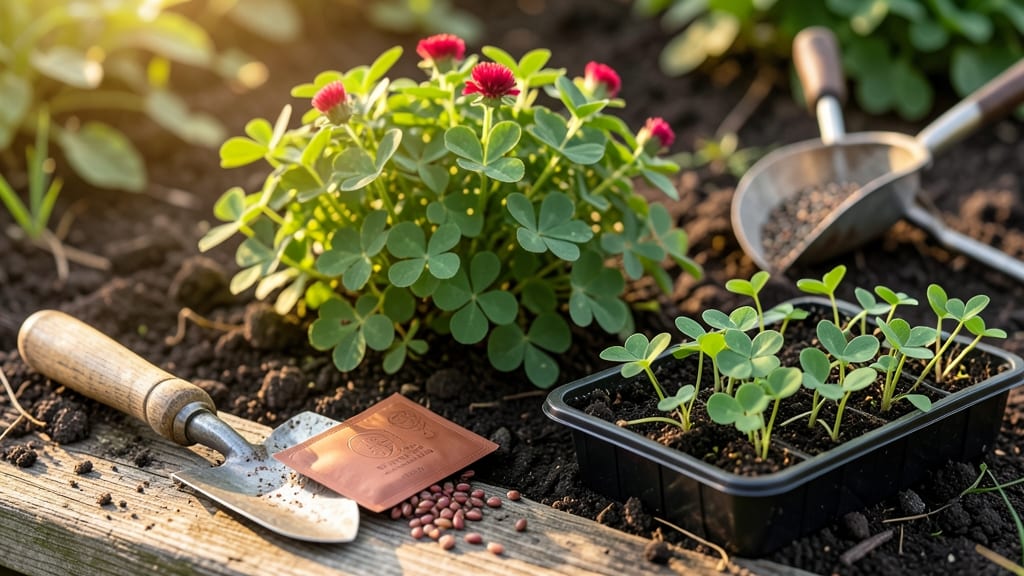
If you're wondering when to plant crimson clover in Tennessee, timing is everything—especially in USDA Zones 6a-7b where winter chill and summer heat create a tight window for success.
This vibrant 🌸 cover crop thrives when planted between late summer and early fall, but get it wrong, and you’ll struggle with weak growth or missed benefits for your soil.
Tennessee’s climate gives you a two-month sweet spot—from August through October—to establish crimson clover before winter sets in. This isn’t just about throwing seeds in the ground; it’s about giving them the best shot to root deeply before frost hits, so they can bounce back stronger in spring.
Whether you’re using it to improve soil health, prevent erosion, or attract pollinators, the key is planting early enough to avoid summer stress but not so late that cold snaps stunt its growth.
I’ll break down the exact months that work best for your region, plus pro tips to make sure your clover takes hold like a pro.
Ready to transform your land with this hardworking cover crop? Let’s dive into the perfect timing and techniques that’ll have your crimson clover thriving—no guesswork required.
Best planting windows for crimson clover in Tennessee’s zone 7a-7b
Crimson clover thrives in Tennessee’s Zone 7a-7b, but planting it at the wrong time can lead to poor germination or winter kill. The ideal window spans from late August to mid-October, aligning with Tennessee’s first frost dates (typically mid-October in most regions).
This timing ensures seeds establish roots before winter dormancy sets in.
For East Tennessee (higher elevations), aim for early September planting to account for earlier frosts. In Middle Tennessee, you can extend planting until early October due to slightly warmer microclimates. Missing this window? A secondary window exists in early spring (March), though yields may be lower.
Here’s why timing matters: Crimson clover needs 60-90 frost-free days to establish before winter. Planting too late risks weak root systems that struggle to survive Tennessee’s 20-30°F winter lows. Conversely, planting too early (before August) may lead to summer heat stress before seeds germinate.
🌸
| Planting Window | Region-Specific Notes | Key Considerations |
|---|---|---|
| Late August - Mid-September | East Tennessee (higher elevations) | Avoids early frost; ideal for soil improvement. |
| Mid-September - Early October | Middle Tennessee (warmer microclimates) | Maximizes winter forage and pollinator support. |
| Early March (Secondary Window) | All regions (lower success rate) | Risk of spring pests and competition with weeds. |
Adjust your planting date based on your specific location within Tennessee. Use the USDA Plant Hardiness Zone Map to confirm your exact zone—some areas in West Tennessee (Zone 7b) may tolerate slightly later plantings. For pollinator-friendly plantings, prioritize September to ensure blooms appear before winter.
Pro tip: Check your local Cooperative Extension Service for frost date updates each year—these can vary by 1-2 weeks annually. For example, Nashville’s first frost often arrives 2 weeks earlier than Chattanooga’s, so local data is critical.
If you’re planting for winter forage, aim for late September to allow 6-8 weeks of growth before cold sets in. For soil improvement, earlier plantings (August) give roots more time to develop before dormancy. Both goals require well-prepared soil—we’ll cover that in the next section.
🌱
Best planting windows for crimson clover in Tennessee’s zone 7a-7b
For crimson clover to thrive in Tennessee’s Zone 7a-7b, your planting window is tight—typically between mid-August and mid-October. This period balances warm soil temperatures for germination with enough time before winter dormancy.
Planting too early (June-July) risks summer heat stress, while late October seeds may not establish roots before frost.
In East Tennessee (cooler microclimates), aim for late August to early September to avoid early frosts. Middle Tennessee gardeners have slightly more flexibility, with September 15 as a cutoff for reliable establishment. Always check your local frost dates—most of Tennessee sees first frost around October 15.
Missed the fall window? There’s a secondary planting opportunity in late winter (February), but growth will be slower until spring warmth arrives. This backup is best for late-season cover crops or areas with mild winters.
| Planting Window | Best For | Establishment Risk |
|---|---|---|
| Mid-August to early September | Full root development before frost | Low (ideal conditions) |
| Late September to mid-October | Winter hardiness testing | Moderate (frost risk) |
| February (backup window) | Late-season cover crops | High (slow growth) |
Pro tip: Use a soil thermometer to confirm temperatures are above 60°F before planting. Crimson clover seeds need warmth to germinate, and cooler soils can delay sprouting by weeks. Pair this with a light mulch (straw or leaves) to retain moisture and protect young seedlings.
For pollinator-friendly plots, prioritize August planting—this gives flowers time to bloom before winter, providing nectar for bees and butterflies. If your goal is soil improvement, focus on September for deeper root penetration before dormancy.
Remember: Crimson clover is a winter annual, meaning it germinates in fall, grows through winter, and dies in late spring. Planting too late leaves it vulnerable to freeze-thaw cycles, which can damage tender roots. When in doubt, plant early—you can always mow back excess growth later.