
Plants
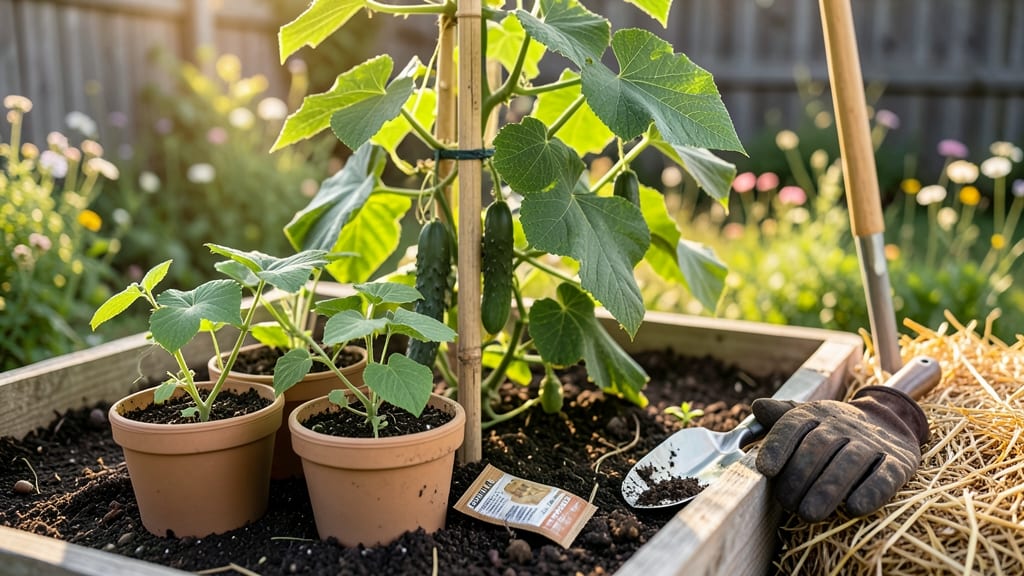
Timing your cucumber planting right in Australia can mean the difference between a bountiful harvest and wasted effort—especially when frost-free zones and soil temperatures vary dramatically across states.
If you’ve ever watched your 🥒 vines struggle or wither because you planted too early or late, you know how critical this is. The key isn’t just picking a month—it’s understanding your local climate, soil warmth, and frost risks.
Whether you’re in sunny Queensland or cooler Victoria, getting this right ensures your plants thrive from seed to harvest.
In this guide, I’ll break down the perfect planting windows for every Australian state, including soil temperature must-haves and frost-free zone tips. You’ll also discover how to adjust for early or late harvests, avoid common mistakes, and even grow cucumbers in containers if space is tight.
Ready to set your 🥒 up for success? Let’s dive into the exact timing and strategies that’ll have you enjoying homegrown cucumbers all season long.
Optimal planting dates for cucumbers by Australian state (soil temp & frost zones)
Australia's diverse climate means cucumber planting dates vary wildly from state to state. In temperate regions like Victoria and Tasmania, you'll need to wait until after the last frost—typically late September to October—while tropical Queensland gardeners can plant as early as February to March for autumn harvests.
The golden rule? Soil must reach at least 15°C (60°F) before planting.
Northern states like Queensland and Northern Territory enjoy longer growing seasons, but even here, heatwaves above 35°C (95°F) can stress cucumbers. Meanwhile, South Australia and Western Australia face unique challenges with dry inland areas requiring extra moisture retention strategies.
Let’s break it down by state to ensure you plant at the perfect time for your region.
🌱 Pro Tip: Use a soil thermometer to confirm warmth before planting—cucumbers won’t germinate in cold soil, no matter how eager you are! A quick check in the morning sun will save you weeks of frustration.
| State | Ideal Planting Window | Min Soil Temp (°C) | Frost Risk | Notes |
|---|---|---|---|---|
| NSW (Sydney) | Late September–October | 15–20°C | High (last frost: mid-Sept) | Use row covers for early starts |
| Victoria (Melbourne) | October–November | 16–20°C | Moderate (last frost: late Sept) | Choose cold-tolerant varieties like 'Corinto' |
| Queensland (Brisbane) | February–March (autumn) or September (spring) | 18–22°C | Low (tropical climate) | Avoid summer planting—too hot! |
| South Australia (Adelaide) | October–November | 15–18°C | Moderate (last frost: early Oct) | Mulch heavily to retain moisture |
| Western Australia (Perth) | September–October | 16–20°C | Low (Mediterranean climate) | Water deeply 2–3x/week |
| Tasmania (Hobart) | Late October–November | 14–18°C | High (last frost: late Sept) | Use cold frames for early starts |
| Northern Territory (Darwin) | May–June (wet season start) | 20–25°C | None (tropical) | Plant in partial shade to avoid heat stress |
If you’re in a cooler climate like Tasmania or the Victorian Highlands, consider staggered planting every 2 weeks. This ensures a continuous harvest from December through February, even if your first batch faces a late frost.
For urban gardeners, container-growing cucumbers in north-facing balconies can push your planting window earlier by 2–3 weeks.
One common mistake is assuming all cucumbers thrive in summer. In reality, northern Queensland’s wet season (Dec–Feb) can lead to powdery mildew if humidity isn’t managed. Opt for heat-tolerant varieties like 'Straight Eight' or 'Marketmore' in these regions.
Meanwhile, southern growers should avoid planting before mid-October—even if soil feels warm, a sudden frost can wipe out seedlings overnight.
For container gardeners, black plastic pots absorb heat faster than traditional terracotta. Fill them with lightweight potting mix and place them on heat-reflective surfaces (like white gravel) to mimic the warmth of in-ground planting. This trick can shave off 1–2 weeks from your growing season in cooler areas.
Always check your local Bureau of Meteorology frost forecasts before planting. A single night below 2°C (36°F) can damage young cucumber leaves, even if the plant itself survives.
When in doubt, wait 2 weeks past the average last frost date—your patience will pay off with a healthier, more productive vine.
🌿 Remember: Cucumbers are 95% water, so consistent moisture is non-negotiable. In dry inland areas, drip irrigation or soaker hoses are your best friends—surface watering leads to fungal diseases like downy mildew.
How to adjust cucumber planting for early vs late harvests in Australia
If you’re eager to enjoy homegrown cucumbers earlier or extend your harvest into cooler months, adjusting your planting strategy is key. In Australia’s varied climate, early harvests in cooler states like Victoria or Tasmania require protective measures, while late harvests in tropical Queensland need heat-tolerant varieties.
The goal? Maximize your growing season without risking frost damage or heat stress.
For early harvests, focus on soil warmth and frost protection. Cucumbers need soil temperatures above 15°C (60°F) to germinate, so in regions like Melbourne or Hobart, use black plastic mulch or row covers to warm the soil faster.
Planting in containers near a sunny wall can also give you a head start, as they heat up quicker than in-ground beds.
For late harvests, especially in northern Australia, choose heat-tolerant varieties like ‘Tyria’ or ‘Suyo Long’. These varieties thrive in temperatures up to 35°C (95°F) and can be planted as late as February or March in Queensland or the Northern Territory.
Pair this with drip irrigation to keep roots cool and prevent bolting (premature flowering).
Another smart tactic is staggered planting. Instead of sowing all seeds at once, plant a second batch 2-3 weeks later to extend your harvest window. This works well in both temperate and tropical zones—just adjust the timing based on your local frost dates and heat waves.
Urban gardeners with limited space can also try vertical growing using trellises or cages. This not only saves space but also improves airflow, reducing the risk of powdery mildew—a common issue in humid conditions. Plus, climbing varieties like ‘Marketer’ produce more consistently when trained upward.
Don’t forget to monitor weather forecasts in the weeks leading up to planting. A sudden cold snap in spring or an unexpected heatwave in autumn can derail your plans. If frost is forecasted, be ready to cover young plants with frost cloth or move containers indoors temporarily.
By tailoring your approach—whether through protective gear, heat-resistant varieties, or staggered sowing—you can enjoy fresh cucumbers for months longer than the standard growing season. The key is flexibility and preparation!