
Plants
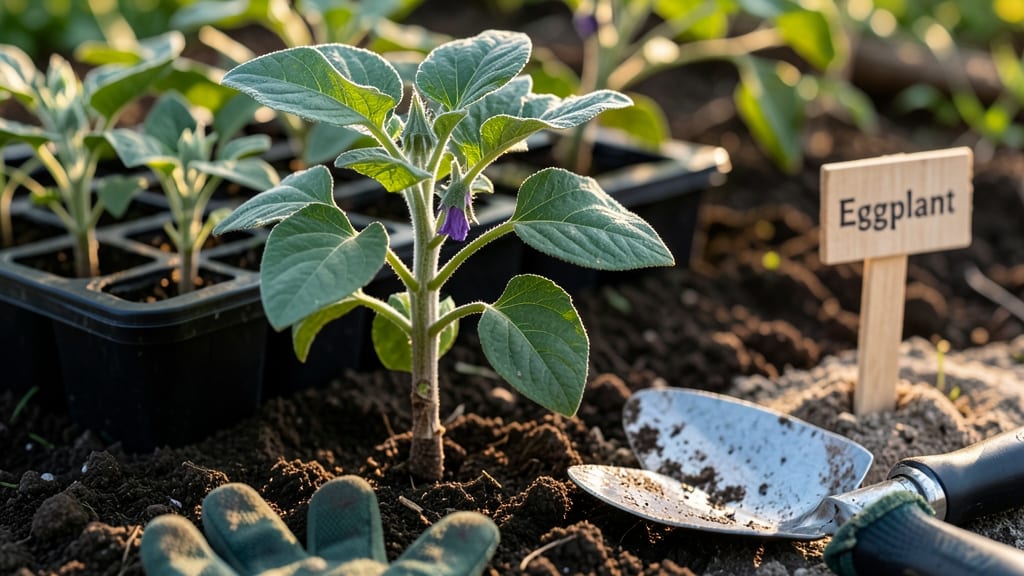
Timing your eggplant planting in Georgia wrong could mean bolting plants and wasted effort—unless you follow the exact soil temperature rules that keep 🍆 thriving.
The key isn't just waiting for spring; it's knowing when your soil hits that critical 70°F mark, usually mid-April to June, depending on your zone.
Georgia's 7b-8a climate throws curveballs with unpredictable spring nights, but I've cracked the code for avoiding those bitter disappointments. Whether you're in Atlanta's Piedmont or Savannah's coastal warmth, the 2-week window after last frost is your golden opportunity to transplant starts without risking bolting.
You'll discover how to read your soil's temperature cues, select the right varieties for your microclimate, and use simple tricks like mulching to give your plants the perfect head start. No more guessing games—just zero-bolt success from seedling to harvest.
Let's dive into the science and secrets that will have your eggplants growing strong from July through October, no matter where you garden in the Peach State.
Georgia eggplant planting timeline: avoiding bolting with soil temperature secrets
Eggplant thrives in Georgia’s heat, but timing is everything to prevent bolting—when plants flower prematurely and produce bitter fruit. The key? Soil temperature must stay above 55°F consistently, with ideal transplanting conditions at 70°F+.
Georgia’s USDA zones 7b-8a mean your planting window varies slightly between Atlanta’s Piedmont and Savannah’s coastal regions.
For most of Georgia, the last frost date falls around March 15, but don’t rush—eggplant seedlings need warm soil to thrive. Planting too early risks stunted growth or root rot from cold, damp soil.
Instead, wait for 2-3 weeks after last frost to ensure soil warmth and zero frost risk.
Here’s the critical timeline for Georgia gardeners: Start indoor seeds 8-10 weeks before your last frost (around January 15-February 1), then transplant outdoors 2 weeks after soil hits 70°F—typically mid-April to early June depending on your region.
Georgia’s coastal regions (Savannah, Brunswick) can transplant 2-3 weeks earlier than inland areas like Atlanta or Athens, thanks to milder spring nights. Use a soil thermometer to confirm warmth—55°F is the minimum, but 70°F+ ensures vigorous growth.
If your soil runs cold, mulch heavily with black plastic or straw to trap heat.
Pro tip: Succession plant every 2 weeks from May to June for a continuous harvest. Late plantings in July can still produce fruit if given consistent water and protection from late-summer heatwaves. Just avoid planting after August 15—fruits won’t mature before frost.
Watch for nighttime temps dropping below 50°F, which triggers bolting. In Zone 7b (north Georgia), this is more common than in Zone 8a (coastal areas). Use row covers or shade cloth during heatwaves to protect seedlings until they’re established.
For container gardening, use black pots to absorb heat and plant in south-facing spots. Containers warm up faster than garden beds, giving you a 1-2 week head start on transplanting. Just ensure pots have drainage holes to prevent waterlogged roots.
Remember: Eggplant hates cold feet. If your soil temp drops below 55°F after transplanting, your plants will stall or bolt. Monitor forecasts and adjust your planting date if unseasonable chills are predicted.
With the right timing, you’ll enjoy plump, glossy eggplants from July through October, avoiding the bitter, seedy fruits that result from poor timing. Georgia’s heat is your ally—just master the soil temperature, and you’re golden! 🌱
Eggplant varieties for Georgia’s heat: which ones thrive when planted at the right time?
Georgia’s humid summers and hot afternoons demand eggplant varieties that can handle the heat without bolting. The right variety selection makes all the difference—especially when planted during your 2-week window after last frost.
Some varieties, like 'Ichiban', are bred to thrive in 90°F+ temperatures, while others, like 'Black Beauty', need cooler evenings to perform well.
If you're planting in Savannah’s coastal zone, where humidity lingers, opt for disease-resistant varieties like 'Rosa Bianca'. In Atlanta’s Piedmont region, where nights cool faster, 'Thai Long' or 'Fish' eggplants (with their elongated shapes) handle the temperature swings better.
The key is matching your microclimate to the variety’s tolerance for heat and humidity.
For a continuous harvest, use succession planting with 60-day varieties like 'Fairy Tale'. Start your first batch in mid-April, then follow up with 2-week intervals through June.
This ensures you’re never without fresh eggplants from July to October, even if your first plants bolt from a late heatwave.
🍆 Georgia Eggplant Variety Showdown
- ✅ 'Ichiban': Thrives in 90°F+
- ✅ 'Thai Long': Handles temperature swings
- ⚠️ 'Black Beauty': Needs cooler evenings
- ✅ 'Rosa Bianca': Coastal humidity fighter
- ✅ 'Fairy Tale': Compact, less prone to rot
- ❌ 'Classic': Needs dry conditions
- ✅ 'Fairy Tale': 60 days (fastest)
- ✅ 'Black Beauty': 75 days (standard)
- ✅ 'Ichiban': 80 days (late but heat-proof)
Pro tip: If you’re planting in July for a fall harvest, choose heat-tolerant varieties like 'Ichiban' or 'Fish' eggplants. These can handle the late-summer heat and still produce fruit before the first frost in mid-November. Just be prepared to mulch heavily to retain moisture and cool the soil.
For container gardening in Georgia’s urban areas, 'Fairy Tale' or 'Patio Baby' are ideal—they stay compact and produce well in 5-gallon pots. Just ensure your containers get full sun and use lightweight potting mix to prevent overheating.
These varieties also bolt less easily when roots get crowded, making them perfect for small spaces.
Avoid planting long-season varieties like 'Japanese Black' unless you’re in North Georgia’s cooler zones. They need 90+ days to mature, and Georgia’s short growing season (only 210 frost-free days) won’t accommodate them.
Stick to 60-80 day varieties for reliable harvests, and always harden off seedlings for 7-10 days before transplanting to avoid shock.