
Plants
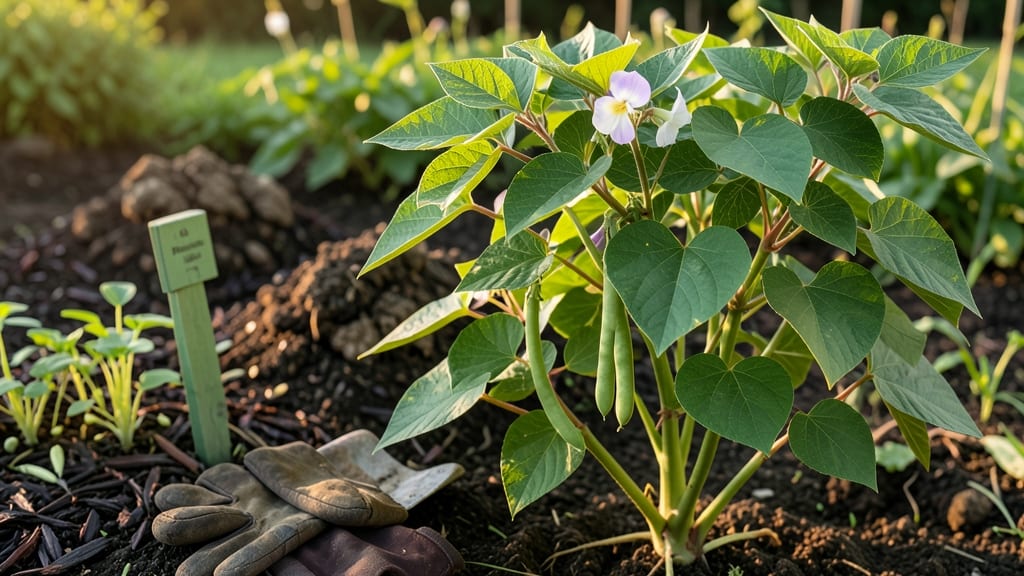
If you're planting fall green beans 🌱 in Missouri, timing isn't just important—it's the difference between a bountiful harvest and a wasted effort. The wrong window means either stifling summer heat or a frost-killed crop before you even taste those first crisp pods.
Missouri's 5b-6a climate gives you a narrow but golden opportunity: late summer to early fall, when days cool just enough for green beans to thrive. But with first frosts creeping in by mid-October, you've only got about 4-6 weeks to get it right—and every day counts.
I'll show you exactly when to plant for maximum yield, whether you're direct-sowing seeds or transplanting starts. Plus, I'll reveal the secret adjustments Missouri gardeners use to beat unpredictable frost years and extend harvests right up until winter.
Ready to grow green beans that outlast the heat and outsmart the frost? Let's get your planting schedule locked in before the first chill hits.
Missouri fall green bean planting calendar: weeks before frost for maximum yield
Missouri’s fall frost dates vary dramatically by region, so timing your green bean planting is critical. In northern Missouri (like St. Louis), the average first frost hits around October 15, while southern areas (e.g., Springfield) may delay until October 25.
To ensure a harvest before frost, aim to plant 4-6 weeks before your local first-frost date.
Green beans need 50-60 days to mature, so count backward from frost. For example, if frost arrives October 15, plant between August 25 and September 15. This window balances heat tolerance and frost avoidance, preventing bolting or frost damage.
Direct sowing is ideal for fall green beans—transplants struggle with root shock in cooler soil. Use heat-tolerant varieties like ‘Blue Lake’ or ‘Kentucky Wonder’, which thrive in Missouri’s short fall season. Start seeds indoors 2-3 weeks before your target outdoor date to jumpstart growth.
Soil temperature is another key factor. Green beans germinate best in 60-85°F soil. In Missouri, soil temps drop below 60°F by mid-September in northern regions, so prioritize early August plantings for optimal germination. Use a soil thermometer to confirm readiness.
Missouri’s microclimates can shift planting windows by 1-2 weeks. Urban areas like Kansas City often experience earlier frosts due to concrete heat absorption, while rural farms may delay frost by 7-10 days. Check your local USDA zone (5b-6a) and adjust dates accordingly.
| Region | First Frost | Planting Window | Soil Temp Goal |
|---|---|---|---|
| North (e.g., St. Louis) | Oct 15 | Aug 25–Sep 15 | 60–85°F |
| Central (e.g., Columbia) | Oct 20 | Sep 1–Sep 20 | 60–85°F |
| South (e.g., Springfield) | Oct 25 | Sep 10–Sep 25 | 60–85°F |
For extended harvests, stagger plantings every 10-14 days within your region’s window. This ensures a continuous supply of pods before frost. For example, in northern Missouri, plant August 25, September 5, and September 15 for a 3-week harvest.
If your fall season feels too short, opt for bush beans over pole varieties—they mature 5-7 days faster and resist wind damage better. ‘Contender’ or ‘Provider’ are excellent choices for Missouri’s unpredictable fall weather.
Always test your soil’s drainage and pH before planting. Green beans prefer pH 6.0-7.0 and well-draining soil. Amend heavy clay with compost or sand to prevent root rot, a common issue in Missouri’s humid fall.
Mark your calendar for September 1—this is the last ideal planting date in most of Missouri. After this, even fast-maturing varieties may not reach harvest before frost. Use row covers to push back frost by 2-3 weeks if needed.
🌱5 Critical factors that determine your fall green bean success in Missouri
Missouri’s fall growing season is short, so soil conditions and variety selection make all the difference. The wrong choice can mean stunted plants or early frost damage. Start by testing your soil’s pH level—green beans thrive in slightly acidic soil (6.0-7.0).
If your soil is too alkaline, amend it with compost or peat moss before planting. Drainage is equally critical; soggy soil invites root rot, especially in Missouri’s humid fall months.
Next, heat-tolerant varieties like Blue Lake or Kentucky Wonder are your best bets. These varieties mature in 50-60 days, giving them time to produce pods before frost.
Avoid slower varieties like Romano, which may not reach harvest before cold snaps. Companion planting also boosts success—pair green beans with corn or radishes to deter pests like Mexican bean beetles, a common fall nuisance in Missouri.
🌱Pro Tip: Use row covers to extend your harvest window by 2-3 weeks. Lightweight fabric shields plants from early frosts while allowing sunlight and air circulation. Just
Don’t overlook watering strategies—green beans need consistent moisture but hate soggy roots. Water deeply every 3-5 days, focusing on the soil base rather than overhead sprinkling. In late September, taper off slightly to harden off plants before frost. This trick helps them withstand light freezes (28-32°F), which can still produce edible pods.
Finally, staggered planting is a game-changer. Instead of sowing all seeds at once, plant successive batches every 2 weeks starting 4-6 weeks before your local first frost date. This ensures a continuous harvest and reduces the risk of losing your entire crop to a sudden cold snap.
Check Missouri’s USDA Zone 5b-6a frost maps for your exact window—northern Missouri’s first frost often hits 2-3 weeks earlier than the southern part of the state.
With these 5 critical factors nailed down, your fall green beans will thrive—even in Missouri’s unpredictable climate. Start with the right soil, pick the fastest varieties, and protect your plants from pests and frost. Your garden will thank you with bushels of fresh, crisp pods before winter sets in. 🌿