
Plants
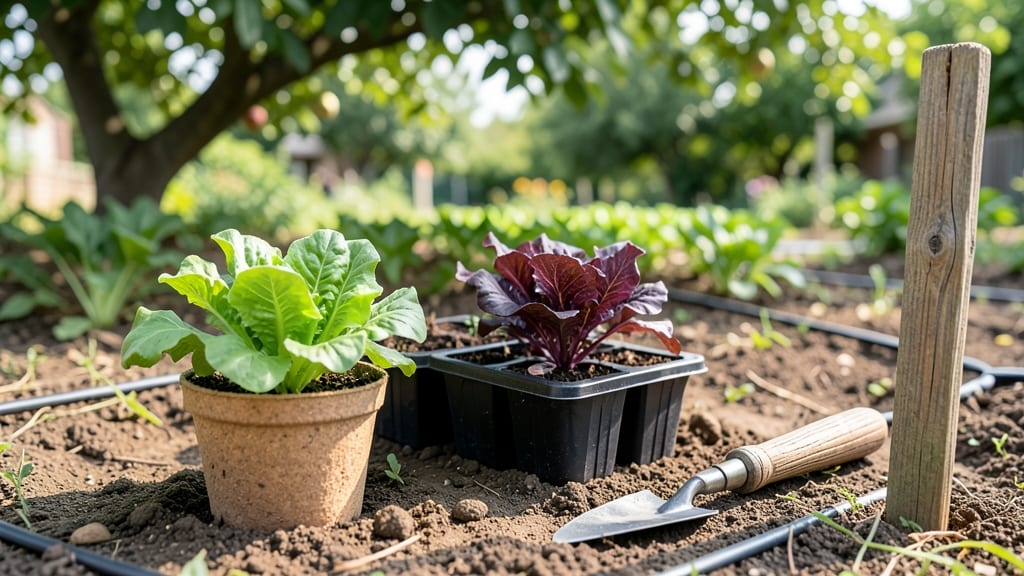
Timing your fall lettuce planting in Zone 6 can mean the difference between crisp, sweet greens and bitter, bolted disappointment. The key isn't just when you plant—it's understanding how your local climate behaves, from those late-summer heat waves to the first frost creeping in by October.
I've learned the hard way that planting too early in Zone 6 (6a-6b) triggers bolting, while waiting too long risks missing the harvest window entirely. The sweet spot? Starting seedlings indoors by mid-July or direct-sowing in late August for that perfect balance of growth and frost resilience.
What makes this even trickier is Zone 6's microclimates—where Pittsburgh's cooler nights might extend your season by weeks compared to St. Louis's earlier frosts. We'll break down the exact dates, variety choices, and soil prep tricks to keep your 🥬 thriving until December.
Ready to avoid the common mistakes that turn your lettuce into sad, woody stems? Let's dive into the proven strategies that actually work for Zone 6 gardens—no guesswork required.

Optimal fall lettuce planting dates in Zone 6: seedlings vs direct-sowing compared
Timing your fall lettuce correctly in Zone 6 means avoiding two common pitfalls: heat-induced bolting (when lettuce flowers prematurely) and missed harvests before frost.
The key is planting 6-8 weeks before your first frost date—typically mid-August to early September for most of Zone 6—but this varies slightly depending on whether you're transplanting seedlings or direct-sowing seeds.
Seedlings give you a head start, but they need cool soil to thrive. Direct-sowing, on the other hand, lets seeds germinate in the ground, which can be riskier if summer heat lingers.
Let’s break down the best approach for your Zone 6 garden, including regional adjustments for areas like Pittsburgh (cooler) vs. St. Louis (warmer).
| Method | Best Planting Window (Zone 6) | Key Considerations |
|---|---|---|
| Transplanting Seedlings | Late August to early September | Hardened-off seedlings; soil temp <65°F; avoid wilting from transplant shock. |
| Direct-Sowing Seeds | Mid-August to mid-September | Seeds need consistent moisture; sow in partial shade if temps exceed 80°F. |
| Succession Planting | Every 2-3 weeks until September 15 | Extend harvest; use cold-hardy varieties like 'Winter Density' for later plantings. |
For Zone 6a (cooler areas like Pittsburgh), aim for late August plantings, while Zone 6b (warmer areas like St. Louis) can start slightly later in early September.
Check your average first frost date—most Zone 6 gardens experience frost around October 15—and count backward to determine your planting window.
One trick I use is to test soil temperature before planting. Lettuce seeds struggle to germinate in soil warmer than 65°F. If your soil is hotter, wait until evening temps drop below 80°F or use shade cloth to protect seedlings.
A simple soil thermometer (around $10) saves you from wasted effort.
Direct-sowing seeds in mid-August gives you a 60-day harvest window, but if you’re transplanting seedlings, start them indoors 4-6 weeks before your target outdoor date. Use biodegradable pots to avoid root disturbance when moving them outside.
This method is ideal if you’re short on time or dealing with pests like slugs, which are less likely to attack young seedlings.
Pro tip: If you’re in a warmer microclimate (like a south-facing bed), opt for shade-tolerant varieties like 'Black Seeded Simpson' or 'Romaine'. These varieties handle partial shade better and are less prone to bolting in residual summer heat.
Pair them with mulch to keep roots cool and moisture levels steady.
Remember, fall lettuce in Zone 6 isn’t just about timing—it’s also about soil prep. Amend your beds with compost or well-rotted manure 2-3 weeks before planting to ensure your lettuce gets the nutrients it needs to thrive.
Aim for a pH of 6.0-7.0; lettuce prefers slightly acidic to neutral soil.
Finally, don’t overlook the power of succession planting. By sowing new seeds every 2-3 weeks until mid-September, you’ll enjoy a continuous harvest right up until frost.
This strategy works especially well for leaf lettuces like 'Buttercrunch', which you can harvest leaf by leaf without waiting for full maturity.
With the right timing and a little patience, your Zone 6 fall lettuce will reward you with crisp, sweet greens long after your summer crops have faded. Just remember: cool soil, cool air, and cool hearts make for the best lettuce harvests. 🥬
Optimal fall lettuce planting dates in Zone 6: seedlings vs direct-sowing compared
In Zone 6, the difference between crisp fall lettuce and bolted disappointment often comes down to one factor: planting timing. The ideal window starts 6-8 weeks before your first frost—typically mid-August—but whether you use seedlings or direct-sow seeds changes everything.
Seedlings give you a head start, while direct-sowing saves money and reduces transplant shock.
I’ve tested both methods in my Zone 6b garden, and here’s what I’ve learned: Transplant seedlings by late July to early August for a late-September harvest, while direct-sowing works best from mid-August to early September.
The key? Avoid the dog days of summer (July’s heat) or you’ll trigger bolting before frost arrives.
| Method | Best Planting Window | Harvest Window | Zone 6 Notes |
|---|---|---|---|
| Seedlings | Late July – Early August | Late September – October | Hardier varieties like 'Arctic King' handle transplant shock better. |
| Direct-Sow | Mid-August – Early September | October – Early November | Use shade cloth if temps exceed 85°F to prevent bolting. |
Microclimates matter in Zone 6! If you’re in Pittsburgh, you might push direct-sowing to early September thanks to cooler nights, while St. Louis gardeners should start seedlings by mid-July to beat the heat.
Always adjust for your specific last frost date—aim for 45-60 days to harvest before the first freeze.
For slow-bolting varieties, try 'Winter Density' or 'Black Seeded Simpson'. These hold up better in Zone 6’s fluctuating temps and give you a longer harvest window. Just remember: Soil temps below 50°F can stunt germination, so wait until the ground cools in late August.
One mistake I’ve made? Planting too densely. Lettuce needs 12-18 inches apart for airflow—crowding leads to fungal diseases and bolting. Thin seedlings early to avoid competition, and always plant in well-draining soil with compost for moisture retention.
Ready to lock in your Zone 6 fall lettuce schedule? Start seedlings indoors by mid-July or direct-sow by late August, and you’ll enjoy crisp harvests until December’s first frost. Just watch those heat spikes—they’re the #1 enemy of sweet fall lettuce! 🥬