
Plants
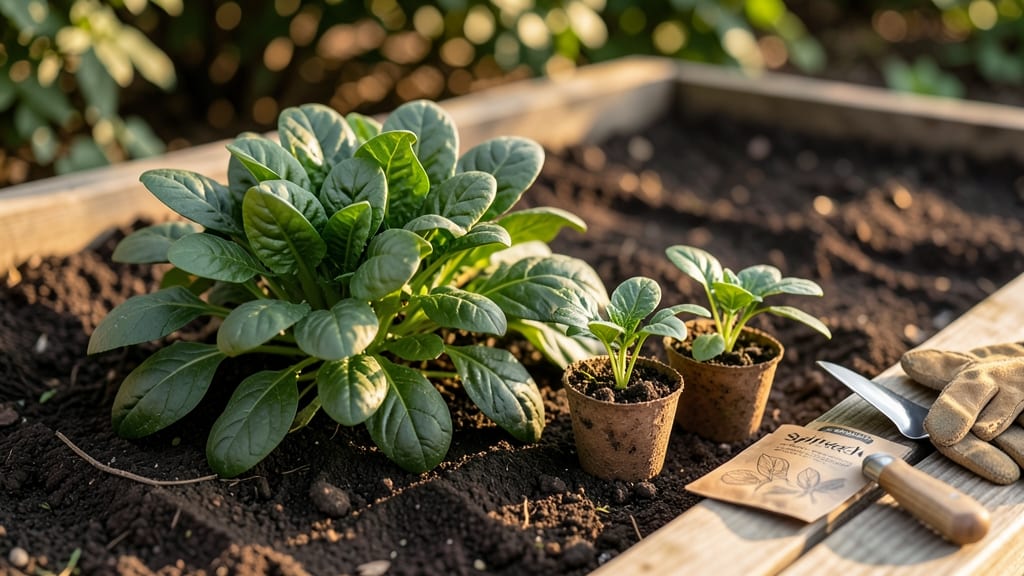
If you've ever planted the fall spinach in Zone 7 only to watch it bolt before harvest, you're not alone—but there's a sweet spot for timing that changes everything.
The key to growing tender, flavorful fall spinach lies in understanding your soil temperature and frost dates, which can make or break your harvest.
For gardeners in Zone 7, the window for planting fall spinach is narrow but critical: late summer to early fall, specifically between August and September.
This timing ensures your 🍃 spinach matures before the first frost hits, giving you a bounty of fresh leaves when most gardens are winding down. But getting it wrong means bitter leaves or wasted seeds.
I'll walk you through the exact soil temperature ranges (between 45°F and 75°F) that prevent bolting, along with the best frost timelines to maximize your harvest.
Whether you're a first-time gardener or a seasoned pro, these insights will help you plan for a continuous supply of spinach—even through the first frost.
Ready to transform your garden into a spinach powerhouse? Let's dive into the strategies that will keep your plants thriving and your kitchen stocked with homegrown greens all season long.

Zone 7 fall spinach planting timeline: soil temperature & frost dates
Planting fall spinach in Zone 7 requires precise timing to avoid bolting (premature flowering) while maximizing your harvest before the first frost. The key is targeting soil temperatures between 45°F and 75°F, which creates ideal growing conditions without triggering heat stress.
In Zone 7, this typically means planting between mid-August and early September, depending on your exact location within the zone.
Zone 7 spans a wide geographic range, from the northern border (like parts of Pennsylvania) to the southern edge (such as northern Georgia). This means frost dates can vary by 2-3 weeks, so local weather data is critical.
For example, northern Zone 7 areas might experience their first frost around November 15, while southern regions could push it to mid-December. Always check your local frost date averages before planning.
To avoid bitter-tasting spinach or wasted seeds, aim to plant 6-8 weeks before your first frost date. This window ensures your spinach matures enough to produce tender, sweet leaves while still having time to recover from any light frosts.
For instance, if your first frost is November 15, your last planting should be around September 20.
Here’s the golden rule: Soil temperature matters more than air temperature. Use a soil thermometer to confirm your soil is between 45°F and 75°F before planting. If it’s too hot (above 75°F), spinach will bolt quickly.
If it’s too cold (below 45°F), germination slows dramatically. Most Zone 7 gardeners find that late August is the safest bet for consistent results.
Another pro tip: Succession planting can extend your harvest. Sow a small batch every 2 weeks from mid-August to early September. This staggered approach ensures a continuous supply of fresh spinach and reduces the risk of losing your entire crop to a sudden frost.
For example, plant half your seeds in late August and the other half in early September for a harvest that spans October and November.
| Planting Stage | Zone 7 North (e.g., PA, WV) | Zone 7 South (e.g., GA, AL) | Soil Temp | Action |
|---|---|---|---|---|
| First Planting | Mid-August | Late August | 60-75°F | Direct sow seeds |
| Succession Planting | Every 2 weeks | Every 2 weeks | 50-65°F | Sow 1/3 of seeds |
| Last Planting | Early September | Mid-September | 45-55°F | Direct sow last batch |
| First Frost | November 15 | December 1 | N/A | Harvest before frost |
| Harvest Window | October 15 - November 10 | October 30 - December 1 | N/A | Pick outer leaves |
If you’re planting in northern Zone 7, where frosts arrive earlier, focus on fast-maturing varieties (like 'Tyee', which matures in 35-40 days). These can be sown as late as early September and still produce a harvest before the ground freezes.
In southern Zone 7, you have more flexibility to plant later, but avoid sowing after mid-September to prevent bolting from fall heat waves.
One common mistake is planting too early in late summer when soil temperatures are still high. If your spinach experiences consistent temps above 80°F for more than a week, it will bolt quickly, turning your sweet leaves into bitter, tough stalks.
To mitigate this, use shade cloth (30-50% shade) during the hottest part of the day if you’re planting in late August.
For a foolproof approach, combine soil temperature checks with local frost date
Zone 7 fall spinach planting timeline: soil temperature & frost dates
Getting your fall spinach timing right in Zone 7 means avoiding bitter leaves and wasted seeds. The key is planting when soil temperatures drop below 75°F but stay above 45°F—this sweet spot prevents bolting while allowing steady growth.
In Zone 7, your window is typically late August to mid-September, but exact dates depend on your sub-region.
Northern Zone 7 (e.g., St. Louis, MO) has earlier frosts, so aim for late August planting. Southern Zone 7 (e.g., Atlanta, GA) can wait until early September.
Always check your average first frost date (usually November 15 in Zone 7) and count backward 45-60 days for harvest timing.
Soil temperature is your best indicator. Use a soil thermometer to confirm readings between 50°F-65°F before planting. Cool soil slows growth, reducing bolting risk. If temperatures dip below 45°F, spinach growth stalls, but it won’t die—just slow down until warmer days return.
| Stage | Action | Soil Temp | Zone 7 Window |
|---|---|---|---|
| Soil Prep | Test pH (6.0-7.0), add compost | N/A | July-August |
| Direct Sow | Plant seeds ½" deep, 2" apart | 50°F-65°F | Late Aug-Early Sept |
| Thin Seedlings | Space to 4-6" apart | 55°F-70°F | September |
| Harvest | Pick outer leaves when 4-6" | 45°F+ | October-November |
Pro tip: Succession plant every 2 weeks in late summer to stagger harvests. This ensures a steady supply even if early plantings bolt from heat stress. For example, sow a second batch in early September to replace any struggling first crops as temperatures drop.
Watch for late-summer heat waves, which can trigger bolting even in cool-loving spinach. If daytime temps hit 80°F+, provide afternoon shade with a row cover or shade cloth until soil cools. This simple trick can save your crop from premature flowering.
Remember, Zone 7’s frost dates vary by 1-2 weeks depending on elevation and microclimates. Check your local Cooperative Extension Service for precise frost predictions. With the right timing, you’ll enjoy sweet, tender spinach straight through November—or even longer with protection!