
Flowers
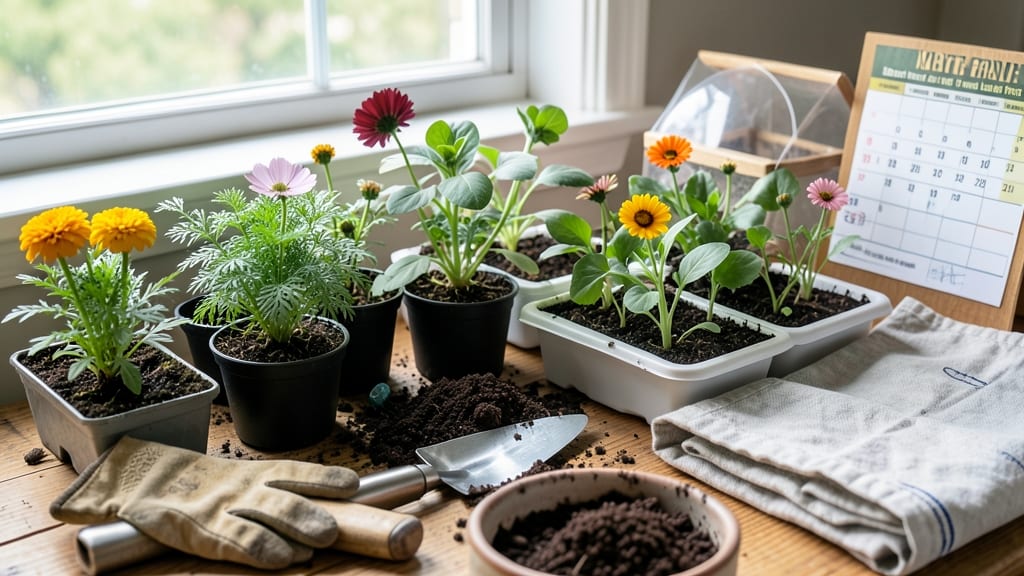
When to plant flower seeds in Minnesota isn’t just about luck—it’s the key to avoiding frost damage and maximizing your blooms. Whether you’re in the chilly 4a zones of the Northland or the slightly milder 5b areas near the Twin Cities, planting too early risks losing your 🌸 to late frosts, while waiting too long cuts your blooming season short.
I’ve spent years learning the best strategies to nail those frost dates, and the secret lies in understanding your region’s last frost window—typically mid-April to early May—and adjusting for microclimates.
With the right approach, you can start seeds indoors 6-8 weeks before the last frost or sow directly once soil warms to 50°F+, ensuring vibrant flowers from June through October.
What if you miss the spring window? No problem—fall planting (August 1–September 15) gives you a second chance for hardy annuals and perennials.
I’ll walk you through the exact steps to calculate your frost-free days, choose the right flowers for your zone, and even troubleshoot common mistakes that derail Minnesota gardens.
Ready to transform your yard into a continuous display of color? Let’s dive into the foolproof planting schedule that’ll have your flowers thriving—no guesswork, just guaranteed blooms.
Minnesota frost dates by region: exact timing to plant flower seeds
Minnesota's diverse climate zones mean your last frost date could vary by 3-4 weeks depending on where you live.
In the Northland (USDA Zone 4a), gardeners typically wait until late May to plant frost-sensitive seeds like marigolds or zinnias, while Southern Minnesota (Zone 5b) can start as early as mid-April for cold-hardy varieties like lupines or sweet peas.
Understanding these regional differences is key to avoiding frost damage while maximizing your blooming season.
For annual flowers, timing is critical—plant too early, and a late frost will kill tender seedlings. Too late, and you might miss the 60-90 day growth window needed for summer blooms.
The Twin Cities metro area (Zone 4b-5a) usually sees its last frost around May 10-15, giving gardeners a 150-day growing season perfect for sunflowers, cosmos, and snapdragons. Meanwhile, Northern Minnesota (Zone 3b-4a) often waits until June 1 or later for direct sowing.
Here’s how to use frost dates to plan your flower seed schedule with precision:
| Region | USDA Zone | Last Frost Date | Ideal Planting Window | Best Flowers for Direct Sowing |
|---|---|---|---|---|
| Northern MN (e.g., Duluth, International Falls) | 4a | May 15–20 | May 20–June 10 | Lupines, Sweet Peas, Pansies |
| Twin Cities Metro (e.g., Minneapolis, St. Paul) | 4b–5a | May 10–15 | April 25–May 15 (indoors) or May 15–June 1 | Marigolds, Zinnias, Sunflowers |
| Southern MN (e.g., Rochester, Mankato) | 5a–5b | April 25–May 5 | April 15–May 10 (indoors) or May 1–May 31 | Petunias, Impatiens, Nasturtiums |
| All Regions (Fall Planting) | 4a–5b | September 15–October 15 | August 1–September 15 | Cosmos, Aster, Calendula |
Pro tip: Use the USDA Plant Hardiness Zone Map to pinpoint your exact zone, then adjust planting dates by 1-2 weeks if your microclimate runs warmer (e.g., urban areas) or colder (e.g., near lakes).
For example, Minneapolis gardens near the Mississippi River often warm up 3-5 days earlier than inland areas due to the urban heat island effect.
For perennial flowers, like coneflowers or black-eyed Susans, you can plant seeds as soon as the soil is workable (40°F+), which might be as early as late March in Southern Minnesota.
These hardy varieties tolerate light frost and often bloom their first year if sown early. Just cover them with row fabric if a late frost is forecasted.
Don’t overlook fall planting—many cool-season annuals thrive when sown in late summer (August–September). Flowers like cosmos and asters germinate quickly in warm soil and bloom until first frost. This strategy extends your colorful season by 6-8 weeks and fills gaps left by spring-planted varieties.
If you’re unsure about your local frost dates, check the MN DNR’s frost history or use the Old Farmer’s Almanac calculator. These tools account for 30-year averages and help you plan with confidence.
For example, Northern Minnesota has a 150-day frost-free season, while Southern Minnesota enjoys 180 days—a critical difference for tall annuals like sunflowers.
Remember: Soil temperature matters just as much as air temperature. Use a soil thermometer to confirm your soil has warmed to 50°F+ before planting heat-loving flowers like zinnias or marigolds. Cold soil slows germination and can lead to damping-off disease, a fungal issue that kills seedlings.
With these regional guidelines, you’ll avoid the common mistakes of planting too early or too late. Next, we’ll dive into how to use a frost-date calculator to fine-tune your schedule and prevent bolt risk in heat-sensitive flowers.
How to use a frost-date calculator for zero bolt risk in Minnesota gardens
Minnesota’s variable frost dates can turn a beautiful garden into a sad, frozen mess if you’re not careful. That’s why using a frost-date calculator is your secret weapon to timing flower seed planting perfectly—no more bolt risk or wasted seeds!
These tools adjust for your exact location, ensuring you plant when soil and air temps are just right for your flower varieties.
Start by checking resources like the Old Farmer’s Almanac or the MN DNR’s frost-date maps. These provide last frost dates tailored to your county, whether you’re in the Twin Cities (Zone 4b-5a) or the Northland (Zone 3b-4a).
For example, Duluth’s last frost is often May 15, while Rochester’s is closer to May 1—a huge difference for heat-loving zinnias!
Pro tip: Bookmark the MN State University Extension’s frost-date tool for real-time updates. It’s updated annually to reflect climate shifts—critical for gardeners in Zone 4a, where frost can linger unpredictably. Once you’ve got your dates, mark them on your calendar and set reminders to avoid missing the window!
Remember, soil temperature matters more than air temperature—use a soil thermometer to confirm 50°F+ for direct sowing. Cold soil slows germination, so don’t rush! With this method, you’ll enjoy bold blooms from May to October** without a single seed lost to frost or bolt.