
Flowers
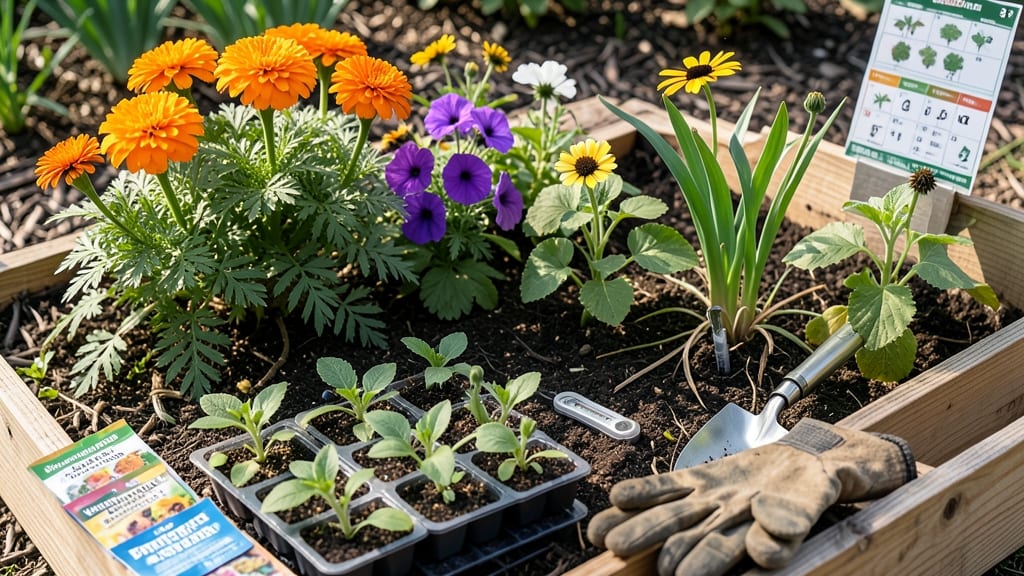
Planting your 🌸 flowers in New York at the wrong time can mean wilting blooms before they even get a chance to shine—but getting the timing right transforms your garden into a vibrant, year-round spectacle.
The key? Understanding New York’s tricky frost dates and microclimates, from the chilly Upstate regions to the slightly milder NYC areas.
I’ve spent years tracking frost patterns and testing planting windows, and what I’ve learned will help you avoid the heartbreak of bolting flowers or frozen seedlings. Whether you’re a first-time gardener or a seasoned green thumb, knowing exactly when to plant—down to the month—makes all the difference.
This isn’t just about guessing when the last frost hits (though that’s part of it). It’s about strategically timing your spring and fall plantings to maximize blooms, protect delicate varieties, and even extend your growing season with simple hacks.
Let’s dive into the science-backed schedule that’ll keep your garden thriving from April through October.
From hardy perennials to heat-loving annuals, I’ll break down the best flowers to plant each month, plus how to use row covers and other tricks to push your planting windows just a little further. Ready to turn your New York garden into a blooming paradise?
New York frost dates by Zone: exact months to plant flowers for zero bolt risk
New York’s USDA Hardiness Zones 5b-7a create dramatic differences in frost timing—just 30 miles from NYC to Long Island can mean 2 weeks of planting window shifts.
Upstate gardeners in Zone 5b face last frost dates as late as May 15, while Zone 7a gardeners on Long Island can plant 2 weeks earlier by April 30. These differences explain why your neighbor’s tulips bloom while yours bolt.
To avoid frost damage, use the National Weather Service’s frost prediction tool (link in resources) and local Cornell Cooperative Extension alerts. NYC’s urban heat island effect can delay first frosts by 10-14 days compared to rural areas—so adjust your timing if you’re in Manhattan or Brooklyn.
For perennials like peonies, plant in fall (September-October) to establish roots before winter.
Here’s the critical frost timeline you need to know:
For annuals like marigolds, wait until soil temps reach 60°F (use a soil thermometer)—this typically aligns with 2 weeks after last frost. Heat-loving flowers like zinnias can handle Zone 5b’s late starts if you harden off seedlings properly.
Pro tip: Cover seedlings with frost cloth if temps dip below 40°F after planting.
NYC’s microclimates mean your rooftop garden might have earlier frost than your backyard. Test your zone by planting cold-hardy alyssum in March—if it survives, you’re likely Zone 7a. For bulbs like daffodils, plant in October to beat early winter frosts that can rot tender roots.
Use these frost-free days as your guide: Zone 5b has 150 frost-free days, while Zone 7a enjoys 200+ days. This explains why tomatoes thrive on Long Island but struggle in the Catskills.
For succession planting, stagger cosmos seeds every 2 weeks from May 15–June 15 to ensure continuous blooms.
Watch for false springs—April 2018 saw 70°F days in NYC followed by 28°F nights in May. Hardy flowers like pansies (Zone 3) survive these swings, while tender geraniums (Zone 10) need row covers. Always check the 10-day forecast before planting tender annuals after April 15.
For perennial flowers, divide and transplant in early spring (April) or early fall (September) when soil is 60°F. This timing maximizes root establishment before winter dormancy. Daylilies and black-eyed Susans are Zone 5b-hardy and perfect for low-maintenance gardens.
Use Cornell’s Garden Calendar (linked in resources) for monthly reminders—it accounts for localized frost risks like valley vs. hillside exposures. If you’re in Zone 6a, prioritize fall planting for spring blooms—tulips planted in October often outperform spring-planted ones.
Remember: NYC’s urban heat can push first frost to November 1 in some areas, while rural Upstate may see frost by October 15. Adjust your planting schedule based on your specific microclimate—your backyard’s frost date might differ from your neighbor’s by 10 days.
Best flowers to plant each month in New York (with frost-proofing tips)
New York’s spring and fall planting windows are short but packed with potential—if you choose the right flowers. March through May focuses on cold-hardy annuals and perennials, while September and October let you sneak in late bloomers before frost.
I’ll break down the best flowers for each month, plus frost-proofing hacks to beat NYC’s unpredictable weather.
For March and April, prioritize pansies, snapdragons, and sweet alyssum—they thrive in 40°F soil and even light frost. These cool-season bloomers tolerate late springs, while calendulas and stock handle 50°F+ soil once the ground thaws.
Always check soil temps with a soil thermometer—50°F is the magic number for most seeds.
🌱 Frost Sensitivity Rating
May through July shifts to heat-loving annuals like zinnias, marigolds, and cosmos. These sun-worshippers need 6+ hours of sunlight and consistent moisture—mulch with straw or shredded leaves to retain water and deter weeds. Deadhead spent blooms to encourage nonstop color until frost.
For September and October, opt for astors, chrysanthemums, and sweet peas. These fall favorites handle 45°F nights and even light frosts. Plant bulbs like tulips and daffodils in October—they’ll naturalize and return year after year. Use row covers if early frosts threaten.
Pro tip: Succession plant every 2–3 weeks in spring/fall for continuous blooms. For example, sow bachelor’s buttons in April, then cosmos in May to bridge the gap. Always harden off seedlings for 7–10 days before transplanting to avoid shock.
NYC’s false springs are notorious—don’t let a 60°F March day fool you into planting tender annuals too early. Wait until average nighttime temps stay above 50°F for at least 7–10 days. Use the NYS Mesonet or Old Farmer’s Almanac for real-time frost alerts.