
Trees
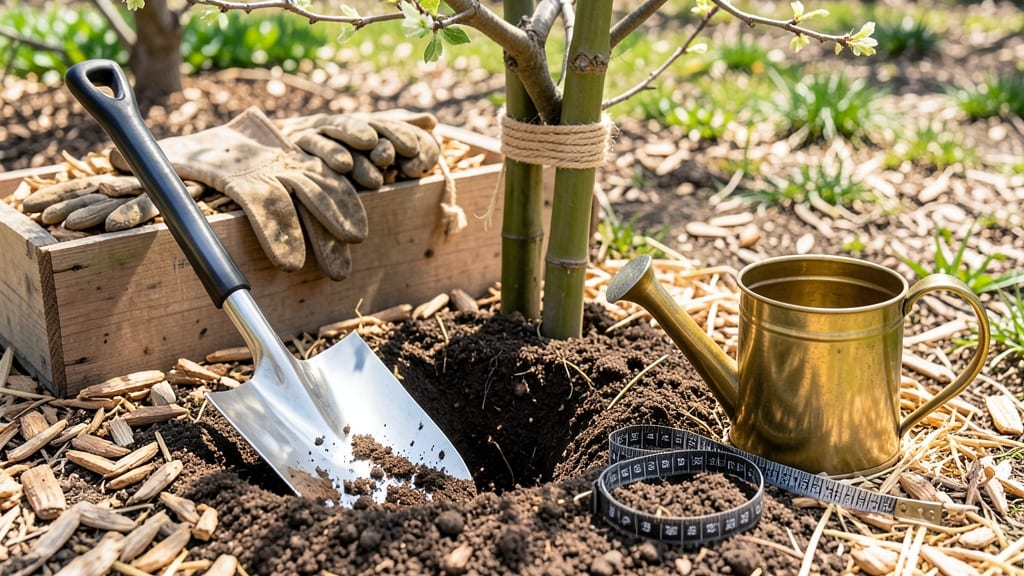
Timing your fruit tree planting in Zone 6 could make or break your harvest—get it wrong, and you risk frost damage or stunted growth. The key lies in understanding chill-hour needs and frost-free windows, which vary by fruit type and microclimate.
Whether you're planting apples, peaches, or cherries, knowing the ideal window ensures strong root establishment before winter sets in.
Most Zone 6 gardeners swear by early spring planting, but fall can also work if you choose the right varieties. The secret? Planting when soil temperatures hit 50°F and before the first hard frost.
This gives young trees time to establish roots before cold snaps arrive, setting them up for a more productive first year.
Let’s break down the best planting months for popular fruit trees in your region, plus how to adjust for northern vs. southern Zone 6 conditions. You’ll learn how to calculate your frost-free date and avoid common mistakes that lead to failed plantings. Ready to grow a thriving orchard?
From soil prep to variety selection, I’ll walk you through every step to ensure your fruit trees take root and flourish. Whether you’re a first-time gardener or a seasoned grower, these insights will help you plant with confidence—and enjoy a bountiful harvest in summer and fall.

Zone 6 fruit tree planting calendar: chill-hours & frost-free dates explained
Timing is everything when planting fruit trees in Zone 6. The last frost date and chill-hour requirements determine whether your tree thrives or struggles. Most Zone 6 regions experience 1,500–2,000 chill hours annually, but some varieties need 800–1,000 hours while others demand 1,200+ hours.
Planting too early risks frost damage, while waiting too long delays root establishment.
For early spring planting (March–April), aim for when soil temperatures reach 45°F (7°C)—this ensures roots can grow before summer heat. Fall planting (October–November) works if you plant 6–8 weeks before ground freezes, giving roots time to establish before winter.
Always check your local frost-free date—tools like the USDA Plant Hardiness Zone Map provide critical data.
Here’s how to calculate your personalized planting window:
| Factor | Zone 6 Guideline | Action Step |
|---|---|---|
| Chill Hours Needed | 800–1,200+ hours | Match variety to your region’s chill hours (e.g., Honeycrisp apples need 1,000+ hours). |
| Last Frost Date | Mid-April to early May | Plant 2–4 weeks after last frost for spring; 6–8 weeks before first frost for fall. |
| Soil Temperature | 45°F (7°C) minimum | Use a soil thermometer to confirm warmth before planting. |
| Root Establishment Window | 60–90 days before dormancy | Fall planting gives roots 6–8 weeks to grow before winter. |
| Microclimate Adjustments | Urban vs. rural frost timing | Cities warm faster—plant 1–2 weeks earlier than rural areas. |
Apples, pears, and cherries are classic Zone 6 favorites, but their chill-hour needs vary. For example, Honeycrisp apples require 1,000+ chill hours, while Reliance peaches thrive with 800–900 hours. Always verify the variety’s cold-hardiness rating—some, like Harvest Gold™ nectarines, tolerate -20°F (-29°C).
Northern Zone 6 (e.g., Chicago, IL) has longer winters and later frost-free dates, so prioritize fall planting for root growth before dormancy. Southern Zone 6 (e.g., Atlanta, GA) can plant earlier in spring due to milder winters.
Use a frost calendar from your local Cooperative Extension Service for precise dates.
Pro tip: Bare-root trees (sold dormant) can be planted in late winter (February–March) as long as soil isn’t frozen. Container-grown trees, however, need warmer soil (spring only). Always water deeply after planting to reduce transplant shock—a critical step for root establishment.
If you’re unsure about your local frost dates, use the National Oceanic and Atmospheric Administration (NOAA) frost prediction tool. Enter your ZIP code to get historical frost data for your exact location. This ensures you’re planting at the optimal time for your microclimate.
Remember: Fall planting is ideal for peaches and plums, while apples and pears often do better in early spring. The key is balancing root growth with frost risk—so choose your season wisely!
🌱
Best fruit trees for Zone 6 by planting season: a comparison of varieties
Choosing the right fruit tree for your Zone 6 garden isn’t just about flavor—it’s about matching varieties to your planting season and chill-hour needs. Early spring plantings give trees time to establish roots before summer heat, while fall plantings (like peaches) benefit from cooler soil.
Let’s compare top-performing trees and their ideal timing.
For apples and pears, early spring (March–April) is ideal because they need 600–1,000 chill hours to fruit. Varieties like Honeycrisp or Bosc thrive when planted before buds swell, ensuring strong root growth before winter. Meanwhile, peaches and plums often prefer fall planting (September–October) to avoid late frosts.
Here’s how top Zone 6 varieties stack up by season and care needs:
| Variety | Best Planting Season | Chill Hours Needed | Root Establishment Time |
|---|---|---|---|
| Honeycrisp Apple | Early Spring (March–April) | 600–800 hours | 4–6 weeks |
| Reliance Peach | Fall (September–October) | 400–500 hours | 6–8 weeks |
| Montmorency Cherry | Early Spring | 800–1,000 hours | 5–7 weeks |
| Bartlett Pear | Early Spring or Fall | 500–700 hours | 6–8 weeks |
Notice how peaches and plums often do better in fall? That’s because their roots grow best in cooler soil, reducing stress before winter. Meanwhile, apples and cherries need that early spring head start to avoid late-season frosts that can damage blossoms.
Pro tip: If you’re in northern Zone 6 (like Chicago or Detroit), err on the side of early spring planting to avoid early frosts. Southern Zone 6 (like Nashville or St. Louis) has a longer frost-free window, making fall plantings safer for peaches and pears.
Once you’ve picked your variety, focus on soil prep—amend with compost to hit that 6.0–7.0 pH range—and water deeply after planting. Mulch with straw to retain moisture and protect roots. With the right timing and care, your fruit trees will reward you with harvests in 3–5 years.
Still unsure? Check your local USDA frost map and plant when soil temps hit 50°F—that’s your golden window for success. 🌱