
Plants
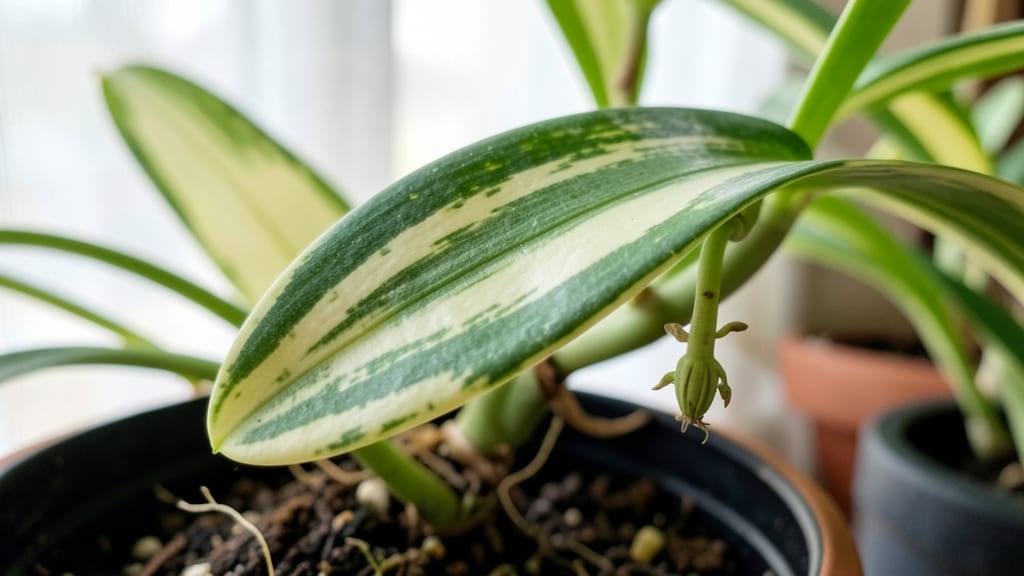
If you're wondering how much light does a spider plant need indoors, the answer might be simpler than you think—it’s all about finding the right balance.
Unlike fussy houseplants, spider plants thrive in conditions that mimic their natural understory habitat, and getting the balance right can mean the difference between lush green leaves and sad, brown tips.
Most people assume these hardy plants can handle just about anything, but the truth is, they need bright indirect light to flourish. Too little light leads to weak, leggy growth, while too much direct sun can scorch those delicate variegated stripes.
The good news? Even in low-light apartments, there are smart ways to optimize placement and keep your spider plant happy.
In this guide, I’ll break down exactly how much light your spider plant needs—from the ideal brightness levels to the best spots in your home. You’ll learn how to spot signs of light stress, adjust your plant’s location, and even troubleshoot common issues like yellowing leaves or slow growth.
No more guesswork!
Whether you’re a beginner or just looking to refresh your plant care routine, these insights will help your spider plant reach its full potential. Let’s get started—your plant’s survival depends on it!

Spider plant light requirements: ideal brightness levels for healthy growth
Spider plants (Chlorophytum comosum) thrive best in bright indirect light, making them perfect for indoor spaces with natural light. Unlike sun-worshipping plants, they avoid harsh rays that can scorch their leaves.
Think of it like a gentle morning sunbath—just enough to fuel their growth without causing damage.
In nature, these plants grow under dappled forest light, where sunlight filters through leaves. Replicating this indoors means placing them near windows but not directly in the sun’s path. A north-facing window or east-facing window is ideal, especially in hotter climates where afternoon sun can be intense.
Here’s the light spectrum breakdown for your spider plant’s health: Low light (e.g., dim corners) → Survival mode (leggy growth, pale leaves) Medium indirect light (e.g., 3–5 feet from a window) → Optimal growth (vibrant leaves, regular "spiderettes") Bright indirect light (e.g., 1–2 feet from an east/north window) → Peak health (dark green leaves, frequent offsets) Direct sunlight (e.g., south/west windows) → Stress signs (brown patches, crispy edges)
The key is chlorophyll efficiency. Spider plants produce energy through photosynthesis, but too little light means they stretch toward the nearest source—a condition called etiolation. This results in weak stems and sparse foliage. On the flip side, too much direct light triggers oxidative stress, causing leaf burn.
Pro tip: Rotate your plant quarter-turns every 2 weeks to ensure even light exposure. This prevents one-sided growth and keeps those iconic arching leaves symmetrical. Even a simple window sill adjustment can make a world of difference!
Spider Plant Light Requirements Summary
| Light Condition | Ideal Distance from Window | Leaf Color Indicator | Growth Impact |
|---|---|---|---|
| Low Light (Dim Corners) | 5+ feet from window | Pale yellow-green | Leggy, sparse growth |
| Medium Indirect (East/West) | 3–5 feet from window | Dark green stripes | Balanced, healthy |
| Bright Indirect (North) | 1–2 feet from window | Rich green with variegation | Vibrant, frequent offsets |
| Direct Sunlight (South/West) | Direct exposure | Brown/yellow patches | Burned edges, stunted |
💡 Note: Use sheer curtains to diffuse harsh light if needed.
If your spider plant starts showing signs of light stress, don’t panic—adjustments are simple. Move it closer to a window for more light or add a sheer curtain to filter intense rays. For low-light scenarios, supplement with a grow light (12–14 hours/day) to mimic natural conditions.
Remember, spider plants are forgiving—they’ll adapt to moderate light conditions, but they’ll thrive with the right balance. Pay attention to their leaf color and growth patterns, and you’ll master their light needs in no time!
For extra peace of mind, place your spider plant near a humidity source, like a bathroom or kitchen, where the air feels softer. This combo of indirect light and moderate humidity creates the perfect indoor microclimate for these resilient plants. 🌱
Best indoor locations for spider plants by light conditions
Finding the perfect spot for your spider plant 🕷️ depends on your home’s natural light. East-facing windows offer the ideal bright indirect light for 4-6 hours daily, while north-facing windows provide gentler, consistent light. Even bathrooms with fluorescent lighting can work—just rotate the pot weekly for even growth.
For low-light apartments, place your spider plant near a west-facing window with sheer curtains or 3-4 feet from a north window. Avoid south-facing windows unless you use a sheer curtain to diffuse harsh afternoon sun, which can scorch delicate leaves.
If your home lacks natural light, grow lights are a game-changer. A 12-15 watt LED bulb on a timer (12-14 hours/day) mimics morning sunlight. Position it 6-12 inches above the plant for even coverage—just avoid keeping it on 24/7 to prevent leggy growth.
Best for bright indirect light. Place 2-3 feet from the window for 4-6 hours of morning sun.
Ideal for low to medium light. Keep 1-2 feet away for consistent, gentle exposure.
Fluorescent lighting works! Rotate the pot weekly to prevent uneven growth.
Use sheer curtains to diffuse harsh afternoon sun. Keep 4+ feet away.
12-15 watt LED bulb on a timer. Position 6-12 inches above the plant.
In dim corners, supplement with a reflective surface like a white shelf or mirror to bounce light toward the plant. This trick maximizes existing light without moving the plant. Test different spots for a week—your spider plant will show its preference through vibrant foliage and active growth.
Pro tip: Leaf color is your best indicator. Dark green leaves mean perfect light, while pale yellow or brown tips signal too much or too little sun. Adjust placement gradually to avoid shocking the plant with sudden light changes.
For offices or rooms without windows, a south-facing window with a sheer curtain can work if you limit exposure to 2-3 hours daily. Always prioritize indirect light—your spider plant will thank you with lush, arching leaves and those iconic "spiderettes"!