
Flowers
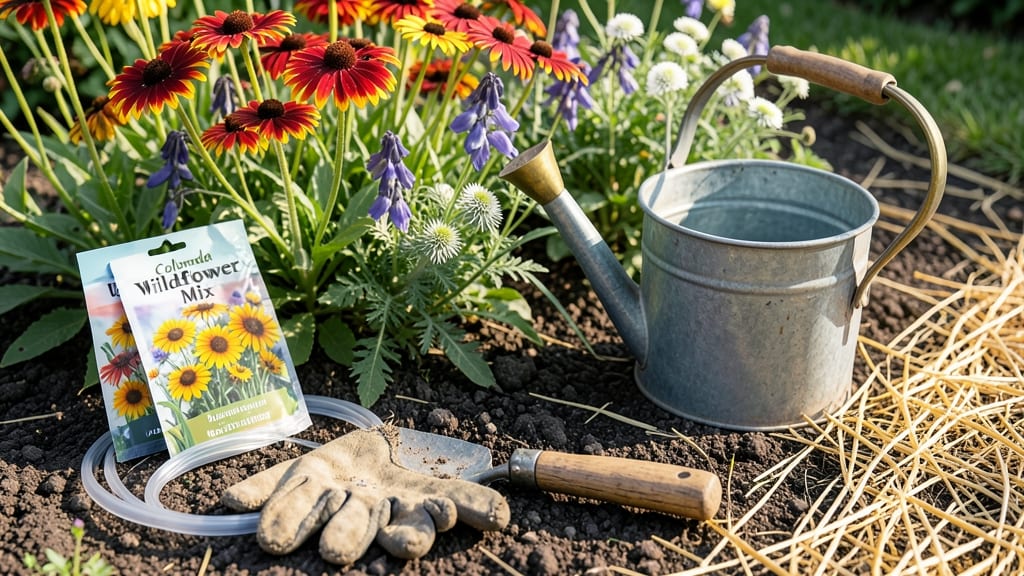
Timing your flower planting in Colorado could mean the difference between a vibrant garden and a season of disappointment. With USDA zones 5-7 and dramatic elevation shifts, knowing when to plant your 🌸 isn't just helpful—it's essential for success.
The best time to plant flowers in Colorado hinges on two critical factors: avoiding late frosts and matching your blooms to the climate zone. Whether you're in the Front Range or the Western Slope, getting this right ensures stronger roots and more spectacular displays.
In this guide, I'll break down the month-by-month planting windows for annuals, perennials, and seasonal flowers, plus how microclimates can shift your schedule by weeks. No more guessing—just proven strategies for Colorado's unique growing conditions.
Ready to transform your garden? Let's dive into the ideal planting times that will have your flowers thriving from spring through fall.
Colorado flower planting calendar by month: ideal timing for annuals, perennials, and bulbs
Timing your flower planting in Colorado isn't a one-size-fits-all task. With USDA zones 5-7 and dramatic elevation shifts, your Denver garden might have a completely different schedule than your friend's Grand Junction yard.
Let's break down the month-by-month planting windows for Colorado's three main regions so you can maximize your blooms.
First, you'll want to know your last frost date. In Colorado, this typically ranges from mid-April in lower elevations to late May in mountain regions. Most annual flowers should wait until after this date to be planted outdoors.
For perennials and bulbs, timing varies even more dramatically between our Front Range, Western Slope, and Eastern Plains regions.
Here's your essential month-by-month guide to planting flowers across Colorado's diverse climate zones:
| Month | Front Range (Denver) | Western Slope (Grand Junction) | Eastern Plains (Pueblo) |
|---|---|---|---|
| March | Start spring bulbs (tulips, daffodils). Plant cool-season annuals (pansies, snapdragons). | Plant winter annuals (calendula, sweet alyssum). | Plant drought-tolerant perennials (lavender, yarrow). |
| April | After last frost: Plant annuals (petunias, marigolds), warm-season veggie flowers (nasturtiums). | Mid-April: Plant heat-loving annuals (zinnia, sunflower). | Early April: Plant summer-blooming perennials (coneflower, black-eyed Susan). |
| May | Plant late-season annuals (cosmos, bachelor's buttons). Transplant tender perennials. | Plant succulents and cactus varieties. Divide overgrown perennials. | Plant fall-blooming bulbs (tulips, crocus) for next year. |
| June | Sow direct-seeded annuals (sunflower, zinnia). Deadhead spent blooms. | Plant heat-sensitive annuals in shaded areas. | Plant drought-resistant ground covers (creeping thyme). |
| September | Plant fall-blooming annuals (mums, asters). Start winterizing perennials. | Plant cool-season vegetables with edible flowers (nasturtium). | Plant spring-blooming bulbs (daffodils, hyacinths). |
| October | Before first frost: Plant spring bulbs and winter-hardy perennials. | Plant winter annuals (stock, sweet peas). | Early October: Plant winter wheatgrass for spring color. |
For high-altitude gardens above 8,000 feet, like those in Boulder County or Summit County, you'll need to adjust these timelines. Plant 2-4 weeks later than the Front Range schedule, as the growing season is significantly shorter.
Consider using cold frames or row covers to extend your planting window in these areas.
Soil preparation is just as critical as timing. Before planting, amend your soil with compost to improve drainage, especially in clay-heavy Front Range soils. In the Western Slope, focus on adding organic matter to retain moisture.
For Eastern Plains gardens, consider adding sand to improve drainage in heavy rainfall years.
Remember, Colorado's unpredictable weather patterns can shift these timelines. Always check your local Cooperative Extension Service for the most accurate frost dates. A quick phone call or online search for your specific USDA zone can save you from planting too early and risking frost damage.
Pro tip: Use biodegradable plant markers to track what you've planted and when. This
How Colorado’s microclimates affect flower planting: Front Range vs. Western Slope vs. Eastern Plains
Colorado’s dramatic elevation changes create three distinct growing zones, each with unique planting windows and microclimate challenges. The Front Range (Denver/Boulder area) enjoys milder winters, while the Western Slope (Grand Junction) has hotter, drier summers.
The Eastern Plains face extreme temperature swings and lower humidity—all factors that shift your flower planting schedule by weeks.
For example, spring-blooming bulbs like tulips can go in as early as March in the Front Range, but wait until April on the Western Slope to avoid frost.
Meanwhile, annuals like marigolds thrive when planted in May across all zones, but their growth rate varies dramatically based on altitude and soil moisture.
| Zone | Last Frost Date | First Frost Date | Ideal Planting Months | Best Flowers |
|---|---|---|---|---|
| Front Range (USDA 5-7) | Mid-April to early May | Mid-October to early November | April–May (spring), September (fall) | Delphiniums, Coneflowers, Dahlias |
| Western Slope (USDA 6-8) | Late April to early May | Late September to early November | May–June (spring), September (fall) | Lavender, Russian Sage, Black-Eyed Susans |
| Eastern Plains (USDA 4-6) | Early May to mid-May | Early October to mid-October | May–June (spring), August (fall) | Coreopsis, Blanket Flower, Yarrow |
In the Front Range, where USDA zones 5-7 dominate, you’ll find longer growing seasons and richer soils—perfect for perennials like peonies or annuals like zinnias. However, high-altitude gardens above 7,000 feet (e.g., Boulder County) may need to wait until late May for frost-sensitive plants.
The Western Slope presents a drought-prone challenge, so prioritize xeric flowers like blanket flower or beebalm. Here, September planting is ideal for fall-blooming varieties, as cooler nights reduce water stress. Avoid planting tropical annuals like impatiens—they’ll bolt in the heat.
On the Eastern Plains, where USDA zone 4 rules, wind and hail are bigger threats than frost. Choose sturdy perennials like black-eyed Susans or sedum, and plant annuals in raised beds to protect them from erratic weather. The shorter growing season means earlier starts indoors for seedlings.
Pro tip: Use local frost date maps (like those from Colorado State University Extension) to fine-tune your schedule. A 10-day delay in the Western Slope can mean the difference between thriving blooms and wilted seedlings.