
Plants
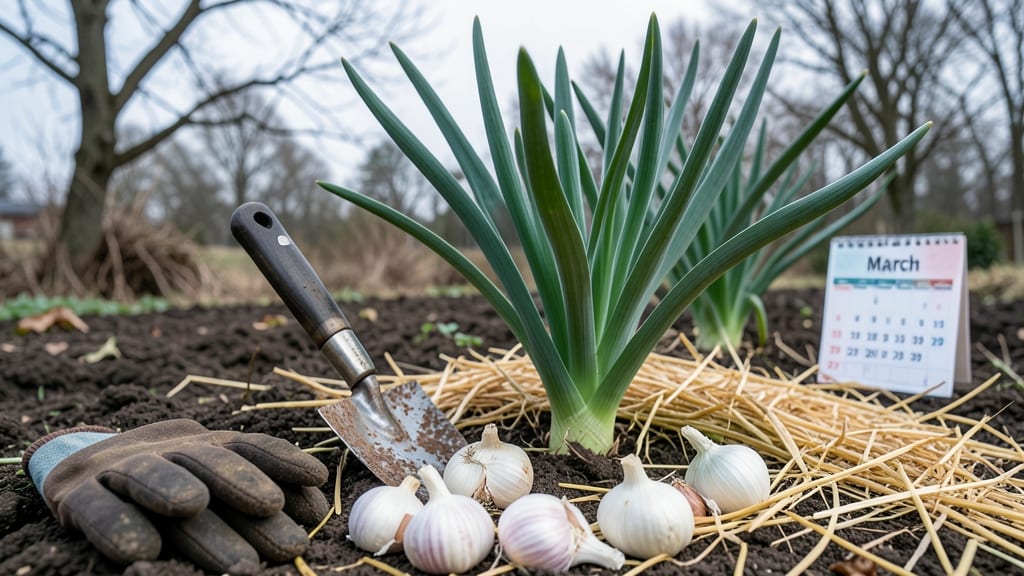
Planting garlic in New Hampshire at the wrong time can mean the difference between bold, flavorful bulbs and a disappointing harvest.
The key to success lies in understanding when to plant garlic in NH—where crisp fall air and early frosts create the perfect conditions for hardy varieties like 🧄.
Unlike warm-weather crops, garlic thrives in cool seasons, making fall the ideal window for New Hampshire gardeners in zones 5a-6b. But timing matters—plant too early, and cloves may sprout before winter; too late, and they won’t establish strong roots before the ground freezes.
I’ll break down the exact planting dates that work best for your region, from mid-October to early November, and share soil prep tips to ensure your garlic survives NH’s harsh winters. With the right approach, you’ll harvest plump, straight bulbs next summer that taste better than anything you’ve bought.
Ready to grow garlic like a pro? Let’s dive into the steps that’ll set you up for a successful harvest—no guesswork required.
Best fall planting dates for garlic in New Hampshire’s climate zones
New Hampshire’s cool, long winters actually create ideal conditions for growing bold, flavorful garlic. The key? Planting at the right time to let cloves establish roots before the ground freezes.
For USDA Zones 3-5 (covering most of NH), timing depends on your microclimate and when the first hard frost arrives.
Most NH gardeners aim to plant garlic between mid-October and early November. This window ensures cloves have 4-6 weeks to root before winter sets in. However, if you live in a warmer microclimate (like southern NH), you can start as early as late September.
Garlic thrives when soil temperatures drop below 70°F but stay above 40°F. In NH, this usually happens by mid-October. Use a soil thermometer to confirm—planting too early in warm soil can cause cloves to sprout prematurely and rot.
Here’s how to adjust for NH’s variable climate:
| Zone | Best Planting Window | Soil Temp Goal | Notes |
|---|---|---|---|
| Zone 3 (Northern NH) | Mid-October to early November | 40°F–60°F | Prioritize hardneck varieties; shorter growing season |
| Zone 4 (Central NH) | Late September to mid-October | 45°F–65°F | Flexible window; adjust for early frost risk |
| Zone 5 (Southern NH) | Late September to early October | 50°F–70°F | Can plant earlier; monitor soil temps |
| All Zones | 4–6 weeks before hard frost | Above 40°F | Use mulch to insulate soil in winter |
For hardneck garlic (the preferred choice in NH), plant by early October to ensure scapes form in summer. Softneck varieties can tolerate slightly later planting but may yield smaller bulbs. Check your local NH Cooperative Extension for frost date updates—some years, winters arrive earlier than expected!
Pro tip: If you miss the fall window, you can try planting in early spring (March–April), but yields will be smaller. Fall-planted garlic always produces the largest, most flavorful bulbs in NH’s climate.
Avoid planting garlic when soil is too warm (above 70°F) or waterlogged. NH’s heavy clay soils can trap moisture, so amend with compost or sand to improve drainage before planting.
Once planted, garlic is low-maintenance until spring. Just mulch with straw or leaves (3–4 inches) to protect cloves from freezing temps and prevent heaving. In spring, you’ll see green shoots—proof your timing was perfect!
Remember: The earlier you plant in the fall window, the larger your bulbs will grow. But don’t rush—waiting for cooler soil pays off in bold, straight garlic that’s perfect for braiding or roasting.
Best fall planting dates for garlic in New Hampshire’s climate zones
New Hampshire’s USDA Zones 3-5 create unique challenges for garlic growers, but with the right timing, you can thrive. The ideal planting window spans from mid-October to early November, giving cloves time to root before winter sets in.
In Zone 5a, aim for October 15-30, while Zone 4 gardeners should plant by October 10 to avoid early freezes.
Soil temperature is your best indicator—plant when it drops to 40-50°F at a 4-inch depth. This ensures roots establish before the ground freezes. Hardneck varieties (like Music or German White) need slightly earlier planting, while softneck varieties (like Artichoke) can wait until late October.
Check your local first frost date (typically mid-October in NH) and plant 4-6 weeks before that date. For example, if frost arrives October 15, plant by September 25 to give roots time to anchor. Last-minute planting risks shallow roots that won’t survive winter.
🌱 NH Garlic Planting Timeline
| Zone | Best Planting Window | Soil Temp Goal | Key Tip |
|---|---|---|---|
| 3-4 | Late September to October 10 | 40-50°F at 4" | Use hardneck varieties |
| 5a | Mid-October to October 30 | 45-50°F at 4" | Avoid planting after November 1 |
| 5b-6b | October 15 to November 5 | 40-45°F at 4" | Softneck varieties work well |
Adjust for microclimates—southern NH (like Portsmouth) has milder winters, allowing later planting, while northern areas (like Coos County) need earlier dates. If your soil stays workable until late October, you’re likely in a Zone 5b+ area and can plant up to November 5.
Pro tip: Use a soil thermometer to confirm readiness. If temps drop below 40°F, roots won’t form properly, leading to poor harvests. Mulch heavily (4-6 inches of straw) after planting to insulate bulbs through winter.
Missed the fall window? Don’t worry—garlic can also be planted in early spring (March-April), though bulbs will be smaller. For maximum flavor and size, stick to fall planting and enjoy NH’s perfect growing conditions.