
Plants
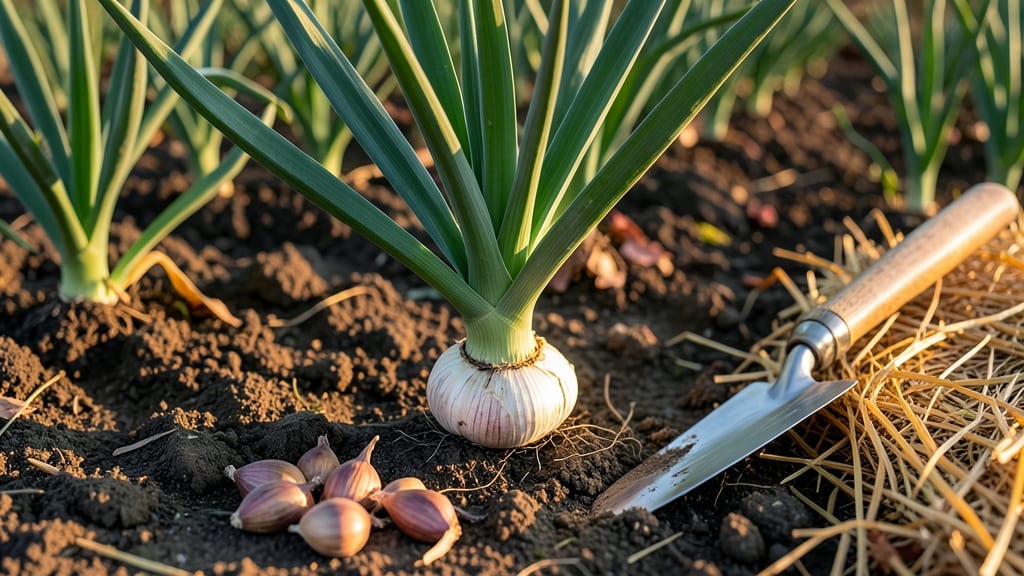
Planting garlic in Missouri at the wrong time can mean the difference between a thriving crop and wasted effort—especially for hardneck varieties that need cold exposure to form bulbs. If you’ve ever wondered why some gardeners swear by October while others insist on November, the answer lies in Missouri’s 5b-6a frost dates and how they interact with garlic’s growth cycle.
Missouri’s climate demands precision: plant too early, and frost can damage young cloves; too late, and the garlic won’t establish strong roots before winter.
For hardneck varieties like ‘German Red’ or ‘Music,’ timing isn’t just about the calendar—it’s about aligning with 4-6 weeks before the ground freezes, usually by mid-October. But what happens if weather throws a curveball, or you’re unsure about your zone’s exact frost window?
In this guide, I’ll break down the exact planting timeline for Missouri’s zones, including how to adjust for unpredictable weather, the best hardneck varieties for your area, and simple care tips to ensure a healthy harvest in late June or July.
Whether you’re a first-time gardener or a seasoned grower, these insights will help you avoid common mistakes and maximize your yield.
Ready to turn your garlic patch into a bountiful success? Let’s dive into the frost-date timeline that’ll set you up for a thriving crop—no guesswork required.
Missouri garlic planting timeline by hardiness Zone and frost dates
Missouri’s USDA Zones 5b-7a create a unique challenge for garlic growers—get the timing wrong, and you’ll either lose your crop to early frost or miss the ideal fall planting window. The key is planting 4-6 weeks before the ground freezes, typically by mid-October in most of the state.
This timing ensures garlic establishes roots before winter dormancy but avoids the risk of sprouting too early in warm soil.
For northern Missouri (Zones 5b-6a), where first frosts arrive by mid-October, aim to plant between October 1-15. In southern Missouri (Zone 7a), where frosts come later, you have until late October or early November.
The goal is to give garlic 6-8 weeks of root growth before the ground freezes solid.
Missouri’s unpredictable weather adds another layer—some years, early freezes hit by September 30, while others allow planting into November. Always check your local frost date averages (like those from the Missouri State Climatologist) and adjust accordingly.
Here’s the critical rule: Soil temperature matters more than air temperature. Garlic cloves need 40-50°F soil to sprout, but roots won’t form if soil is below 32°F. Use a soil thermometer to confirm readiness—planting when soil hits 50°F ensures success.
Pro Tip: If your soil stays warm past October 15, hold off planting. Garlic planted in warm soil may sprout too early and get damaged by the first frost. Patience here pays off with larger bulbs next summer.
Missouri’s microclimates mean your neighbor’s perfect timing might not work for you. For example, higher elevations (like the Ozarks) frost earlier than river valleys (like the Mississippi bottoms). If you’re unsure, plant test cloves a week early—you can always add mulch to protect them if frost threatens.
One common mistake is planting garlic in spring. While possible, spring-planted garlic in Missouri rarely matures fully before summer heat causes bolting (flowering) or small, pungent bulbs. Save spring planting for green garlic or garlic scapes—not full bulbs.
For reliable results, align your planting with Missouri’s historical frost data. Check resources like the Missouri Botanical Garden’s frost calendar or local Cooperative Extension Service for your county’s specific averages. This small step can double your harvest success rate.
Remember: Hardneck garlic (the variety best suited for Missouri) needs cold dormancy to form bulbs. Planting at the right time ensures it gets the 60-90 days of cold it craves—any less, and you’ll end up with small, weak bulbs.
How to adjust garlic planting for Missouri’s unpredictable weather patterns
Missouri’s weather can be as unpredictable as a spring shower, throwing off even the most carefully planned garlic planting schedule. Late freezes, early snowfalls, or unseasonably warm falls can leave gardeners scrambling to adjust.
The key is flexibility—understanding how to read your local microclimate and adapt your planting timeline to avoid common pitfalls like frost damage or poor root establishment.
If you’ve ever planted garlic in late October only to see frost nip the tops before roots took hold, you’re not alone. Missouri’s Zone 5b-6a means your first frost can arrive anywhere from mid-October to late November, depending on the year.
The solution? Plan for a 2-week buffer around your ideal planting window and monitor soil temperatures closely.
Here’s how I adjust my planting schedule when Missouri’s weather gets tricky. First, I check the National Weather Service’s frost predictions for my specific county. If the forecast calls for an early frost, I plant 2 weeks earlier than usual.
Conversely, if we’ve had an unseasonably warm fall, I delay planting until early November to ensure the soil stays cool enough for root development.
Another trick I’ve learned is to test soil temperatures before planting. Garlic cloves need soil temps between 40°F and 50°F for optimal root growth. If your soil is still warm in late October, wait a few weeks—rushing can lead to bolting or weak bulbs.
A simple soil thermometer (or even a reliable weather app) can save you from costly mistakes.
For gardeners in northern Missouri (Zone 5b), where winters are colder, I recommend planting by October 15th at the latest. In southern Missouri (Zone 6a), you’ve got a little more wiggle room—planting through early November is often safe.
But remember: the goal is to give garlic 4-6 weeks of root growth before the ground freezes solid.
Mulching is my secret weapon for unpredictable weather. After planting, I cover the beds with 4-6 inches of straw or leaves to insulate the soil. This helps regulate temperatures, prevents heaving during freeze-thaw cycles, and keeps moisture levels steady.
If we get an early snowfall, the mulch acts like a blanket, protecting young cloves until spring.
Finally, keep a backup plan. If your planting window gets squeezed by weather, you can try a spring planting (though yields will be smaller). Plant cloves in early March for a late-summer harvest, but be prepared for bolting risks if spring arrives early.
The best insurance, though, is to plant extra cloves in your primary window—just in case.
❄️ Late Freeze Risk: If frost is predicted within 2 weeks of planting, delay until soil temps drop below 50°F and cover with row fabric for extra protection.
🌡️ Soil Too Warm? Wait until nighttime temps consistently stay below 60°F—warm soil can cause premature bolting.
🌧️ Heavy Rain Before Planting? Amend clay soil with compost or sand to prevent waterlogging, which can rot cloves.
❄️ Snow Before Harvest? Mulch heavily in late winter to prevent heaving (bulbs pushing out of soil).
Don’t let Missouri’s weather derail your garlic dreams. By staying flexible, monitoring soil conditions, and using mulch strategically, you can outsmart unpredictable frost dates and still enjoy a bountiful harvest.
Next time you hear the forecast mention an early freeze, you’ll know exactly how to adjust—no stress, just successful garlic growing.