
Plants
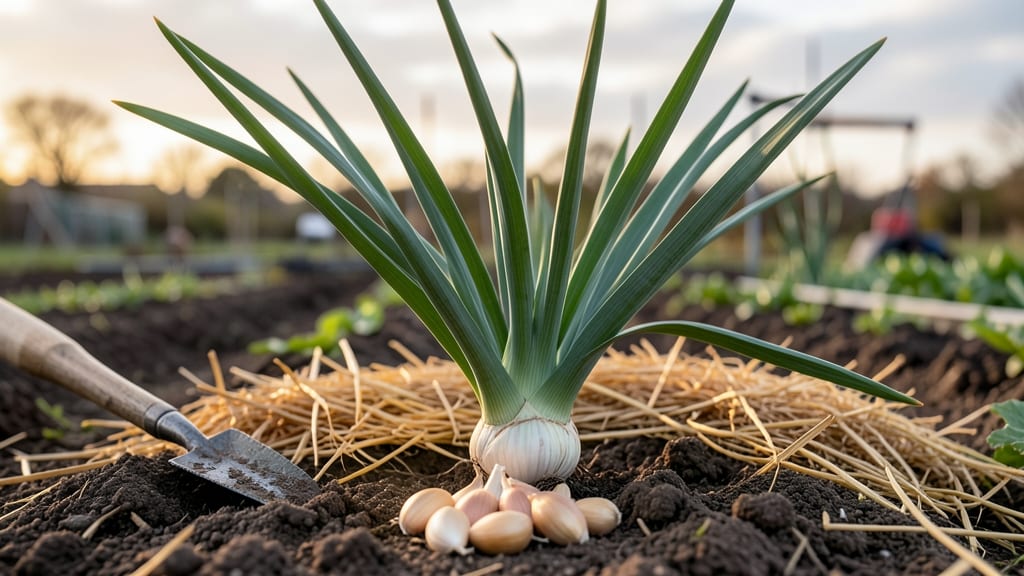
If you've ever planted garlic 🧄 in Zone 9 only to watch it bolt into bitter-tasting flowers instead of forming sweet bulbs, you're not alone.
The key to avoiding this frustrating problem lies in understanding the perfect fall planting window—when temperatures and daylight align to give your garlic the best shot at success.
In Zone 9 (think Phoenix, Southern California, or Florida), planting garlic in October through December is your golden ticket to zero-bolt harvests. This timing ensures your cloves establish roots before winter's chill and mature before summer's heat triggers premature flowering.
Skip spring planting—it's a recipe for disappointment in our warm climate.
What makes this window so critical? When you plant garlic 4-6 weeks before ground temperatures drop below 70°F, you create ideal conditions for bulb development. Too early, and your garlic may rot; too late, and you risk bolting.
Let me walk you through exactly how to time it right for your specific microclimate.
Ready to grow plump, flavorful garlic that's ready to harvest next June or July? I'll share the exact steps to prepare your soil, choose the right varieties, and avoid common mistakes that turn your garlic into a bitter experiment. Let's get started!

Optimal fall planting window for Zone 9 garlic to avoid bolting
In Zone 9, where winters are mild and summers scorching, timing garlic planting is all about beating the heat—not the frost. Unlike colder zones, your goal is to plant 4–6 weeks before soil temperatures drop below 70°F, ensuring bulbs mature before summer’s return.
This typically means planting between mid-October and mid-December, depending on your microclimate.
For example, in Phoenix or Tucson, aim for early November when daytime highs dip below 85°F. In Southern California’s coastal areas, you can push planting to late December, while inland deserts need to plant by mid-October to avoid premature bolting.
The key is cooler soil (50–60°F) to trigger bulb formation.
Garlic needs 6–8 weeks of cool weather to form bulbs before summer heat triggers bolting (flowering). If planted too late, your cloves may sprout but never develop into plump bulbs. Conversely, planting too early in warm soil risks rot or weak growth. Balance is everything!
Zone 9’s unique challenge is that frost isn’t the enemy—heat is. Unlike Zone 5 gardeners counting down to frost, you’re counting down to stable cool nights. Use a soil thermometer to confirm temperatures are consistently below 70°F at planting time.
Hardneck varieties (like ‘Music’ or ‘German White’) are better suited for Zone 9 than softnecks, as they mature faster and handle heat slightly better. However, even hardnecks will bolt if planted too late. For foolproof results, stick to early-maturing varieties with 240–270 day harvest times.
Here’s the golden rule: Plant garlic in Zone 9 when daytime highs are 75°F or lower and nights dip below 60°F. This window ensures your garlic enters dormancy before summer’s intensity peaks.
Miss it, and you’ll end up with small, pungent cloves—or worse, flower stalks instead of bulbs.
| Month | Ideal Planting Time | Soil Temp Goal (°F) | Risk if Planted |
|---|---|---|---|
| September | Early (cooler microclimates) | 65–70°F | Rot risk in warm soil |
| October | Best window (most of Zone 9) | 55–65°F | Optimal bulb formation |
| November | Late (coastal areas) | 50–60°F | Slow growth, small bulbs |
| December | Too late (high deserts) | Below 50°F | Bolting guaranteed |
Pro tip: Use a shade cloth (30–50%) if planting in late October to protect young shoots from intense afternoon sun. This mimics cooler conditions and reduces stress. Pair this with well-draining soil amended with compost to prevent rot in the warm fall soil.
Remember, garlic in Zone 9 is a race against summer. Plant too late, and your bulbs won’t mature before the heat triggers bolting. Plant too early, and you risk rot or weak growth.
The sweet spot is October–early November for most of Zone 9, with adjustments for your local climate.
For Phoenix gardeners, aim for October 15–November 1. In Southern California’s inland valleys, late October is ideal. Coastal areas can push to mid-November. Always check your local USDA Zone 9b/10a microclimate—high deserts bolt faster than coastal gardens.
Once planted, mulch with 2–3 inches of straw to insulate soil and keep roots cool. This is your secret weapon against Zone 9’s heat. With the right timing and care, you’ll harvest plump, sweet bulbs in June or July—not bitter bolts!
Optimal fall planting window for Zone 9 garlic to avoid bolting
In Zone 9, garlic thrives when planted in fall—but timing is everything. Unlike cooler zones, your garlic needs to establish roots before summer heat triggers bolting (premature flowering). Aim for a 6-8 week window before ground temperatures drop below 50°F to ensure bulbs form properly.
Most Zone 9 gardeners plant between mid-October and early December, but exact timing depends on your microclimate. Coastal areas like San Diego can plant later (November), while inland deserts like Phoenix should plant by October 15th to avoid summer heat stress.
Here’s the key: Plant when daytime highs are 75-80°F and nighttime lows dip to 60°F. This balance lets garlic sprout without overheating. Use hardneck varieties like ‘German White’ or ‘Silverskin’—they handle Zone 9 heat better than softnecks.
| Month | Ideal Planting Time | Soil Temp Goal (°F) | Zone 9 Notes |
|---|---|---|---|
| September | Early Sept (cooler areas) | 60-70°F | Risk of bolting if planted too early; reserve for high-altitude Zone 9. |
| October | Mid-October to late Oct | 55-65°F | Best window for most of Zone 9; avoids summer heat stress. |
| November | Early November | 50-60°F | Works for coastal areas; use shade cloth if temps drop fast. |
| December | Early Dec (emergency only) | 45-55°F | Last chance; may need row covers for winter protection. |
Pro tip: Use a soil thermometer to confirm temps. Garlic roots grow best at 50-60°F—any colder, and growth stalls. If your soil stays above 70°F for too long post-planting, mulch with straw to cool roots and prevent bolting.
Harvest timing in Zone 9 shifts too: Aim for June-July of the following year. If you plant in December, your garlic may bolt early—so adjust varieties or use shade cloth (30-50%) to extend the growing window.
Remember, Zone 9 garlic is a marathon, not a sprint. Patience pays off with plump, flavorful bulbs—not bitter bolts. Start now, and you’ll be pulling harvests next summer! 🌱