
Plants
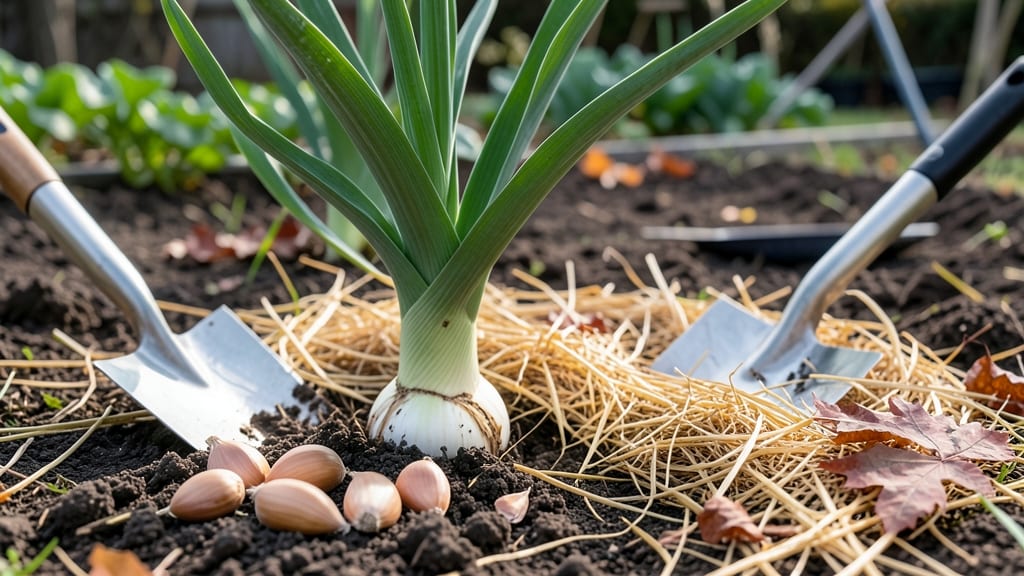
Timing your garlic planting in Zone 4b’s chilly climate is the key to avoiding weak bulbs or total crop failure—especially when you’re staring at 60-degree days and early snowfall.
The right window (mid-to-late fall) lets the 🧄 establish roots before winter, while planting too late risks stunted growth or frost damage.
Most gardeners in Zone 4b assume they need to rush planting, but the secret is patience: aim for 4-6 weeks before the ground freezes, typically October or early November. This gives garlic time to root deeply before winter’s dormancy—critical for surviving Zone 4b’s harsh winters.
You might wonder if spring planting works, but the truth is, it rarely delivers the same hardy bulbs. Fall-planted garlic thrives under snow cover, using the cold to sweeten its flavor and strengthen its structure.
I’ll show you exactly how to nail the timing, from soil prep to mulching for winter protection.
Ready to grow plump, flavorful garlic that outperforms store-bought? Let’s break down the exact steps to plant garlic in Zone 4b—so you can harvest confidently next summer.

Best fall planting timeline for garlic in Zone 4b (with exact dates)
Zone 4b’s short growing season and harsh winters demand precise timing for garlic—plant too early, and cloves rot; too late, and bulbs won’t mature. The ideal window is 4-6 weeks before the first hard frost, typically mid-October to early November.
This gives roots time to establish before winter dormancy.
For Zone 4b’s northern edge (e.g., Duluth, MN), aim for October 1-15—soil temps should hover around 40-50°F. In southern Zone 4b (e.g., Chicago, IL), you can stretch until November 1-10 if mild spells linger. Always check your last frost date (Zone 4b’s average: mid-November).
🌱Pro Tip: Use a soil thermometer to confirm temps are below 50°F but not frozen—garlic roots need to harden off gradually. If your soil freezes by November 15, plant by October 20 at the latest.
📅 Zone 4b Garlic Planting Timeline
| Stage | Action | Notes |
|---|---|---|
| Soil Prep | Test pH (6.0–7.0), amend with compost | Add aged manure or bone meal for phosphorus |
| Planting Window | Mid-October to early November | Avoid frozen ground—use a garden fork if needed |
| Depth | 2 inches deep, pointy end up | Spacing: 6 inches apart in rows 12 inches apart |
| Winter Prep | Apply 4–6 inches of mulch (straw or leaves) | Mulch insulates roots but allows snow penetration |
| Spring Check | Remove mulch when shoots emerge (March–April) | Thin seedlings to 4–6 inches apart if overcrowded |
⚠️ Critical: If snow covers garlic for months, it’s not a problem—garlic thrives under snow!
Zone 4b gardeners often worry about uneven snow cover exposing cloves to freeze-thaw cycles, which can damage roots. To prevent this, mulch heavily (use straw, not leaves, which mat down) and avoid compacting soil when planting.
If your area gets little snow (e.g., western Zone 4b), add extra mulch in January for insulation.
For late planners, you can plant garlic in early December if the ground isn’t frozen, but bulbs will be smaller. The hardneck varieties (best for Zone 4b) handle this better than softnecks.
If you miss fall entirely, spring planting is possible but yields 50% fewer bulbs—plant as soon as soil is workable (March–April) and expect smaller harvests.
🌡️ Soil Temperature Tip: Use a digital soil thermometer to confirm 40–50°F at planting. If temps drop below 32°F within 2 weeks, your garlic is safe—it’s cold-hardy down to -20°F once established!
Finally, label your rows—Zone 4b’s short growing season means you’ll forget which variety is which by harvest time (July–August). Hardnecks (like ‘Music’) produce scape shoots in spring; remove these to boost bulb size, but save them for pesto or pickling!
☀️ Sunlight Reminder: Garlic needs full sun (6+ hours/day), even in Zone 4b. If your site gets less than 5 hours, choose shade-tolerant varieties like ‘German White’.
Best fall planting timeline for garlic in Zone 4b (with exact dates)
Zone 4b’s short growing season and early frosts demand precision when planting garlic. The key is to plant 4-6 weeks before the ground freezes—typically between mid-October and mid-November. This timing ensures cloves establish roots before winter dormancy, setting the stage for robust bulbs the following summer.
For most of Zone 4b, aim for early to mid-October in northern areas (e.g., Minnesota, Maine) where frosts arrive sooner. In southern parts (e.g., Pennsylvania, New York), you can extend planting until late October or early November.
Check your local USDA frost date—planting too late risks shallow roots and weak growth.
Soil temperature is your best guide: cloves need 40-50°F soil to sprout. Use a soil thermometer to confirm readiness. If temps drop below 32°F, mulch heavily (3-4 inches of straw) to protect emerging plants. Never plant when soil is still warm—garlic hates heat and will bolt prematurely.
Spring planting is possible in Zone 4b, but results are unreliable. If you miss fall, plant in early March—but expect smaller bulbs due to limited root development. For best yields, stick to fall and embrace the cold-hardy varieties that thrive in your zone.
Pro tip: Mark your calendar for mid-May, when garlic resumes growth. This is when you’ll see those first green shoots breaking through mulch—a sure sign your timing paid off. Consistency in watering and mulching now will determine your harvest’s success next summer.
Remember, garlic planted in fall overwinters to produce larger bulbs. The longer the cold period (Zone 4b’s advantage!), the better the flavor and size. With the right timing, you’ll enjoy plump, flavorful garlic by July—worth the patience!