
Companion Plants
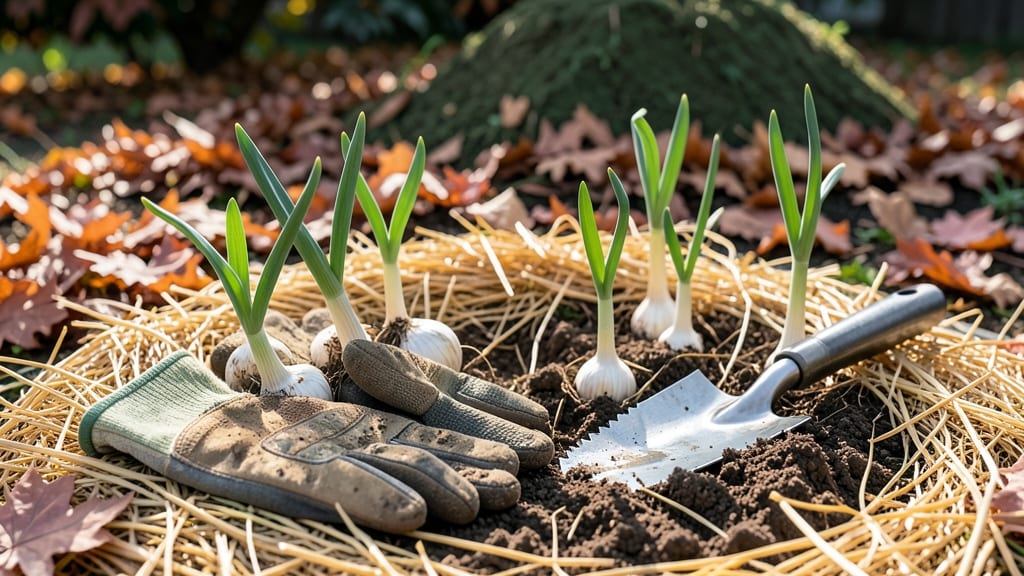
Timing your garlic planting in Zone 7 could mean the difference between a bountiful harvest of flavorful bulbs and a disappointing flop.
The perfect window for planting this hardy 🧄 isn't just about the calendar—it's about understanding your local frost dates and how hardneck versus softneck varieties respond to your climate.
Most gardeners in Zone 7 know fall planting is the golden standard, but did you know there's a sweet spot between October and November that maximizes bulb development?
We'll break down exactly when to plant for each variety and how to adjust if your microclimate runs cooler or warmer than average.
What you might not realize is that planting too early or too late can stunt growth or invite pests. I'll share the critical mistakes to avoid, plus pro tips for preparing your soil and cloves so your garlic gets off to the strongest start possible.
Ready to grow garlic that's larger, harder, and more flavorful than ever? Let's dive into the exact timing, care steps, and regional tweaks that will set you up for success—no guesswork required.

Optimal planting months for garlic in Zone 7: hardneck vs softneck differences
Zone 7 gardeners know timing is everything when planting garlic, and the wrong schedule can leave you with stunted bulbs or even total failure. The key difference lies in whether you're growing hardneck or softneck varieties—each has distinct planting windows that align with your local frost dates.
For hardneck garlic, the ideal planting window is October through November, giving roots time to establish before winter dormancy. This timing ensures robust bulb development during the cooler months.
Meanwhile, softneck garlic offers flexibility, allowing for fall planting (same as hardneck) or early spring planting (February-March) in Zone 7.
Here’s why timing matters: Hardneck varieties need cold exposure to form bulbs, while softneck varieties can adapt to milder winters. Missing the window means smaller cloves or poor flavor.
Soil temperature is your best guide—aim for 40-50°F when planting. In Zone 7, this typically aligns with late October to early November for fall plantings.
| Type | Best Planting Window | Key Notes |
|---|---|---|
| Hardneck Garlic | October - November (Fall Only) | Needs cold vernalization for bulb formation; best for hardy varieties like Rocky Mountain. |
| Softneck Garlic | October - November (Fall) OR February - March (Early Spring) | More flexible; stores longer; ideal for Silverskin or Artichoke types. |
| Both Types | 4-6 weeks before first frost | Plant cloves pointy-end up, 4" deep, 6" apart in well-draining soil. |
The lunar calendar can also guide planting—aim for the waxing moon phase in fall for stronger root development. This ancient practice aligns with nature’s cycles, promoting healthier growth.
If you’re in Northern Zone 7 (e.g., near the Blue Ridge Mountains), plant garlic slightly earlier (early October) to account for colder temperatures. In Southern Zone 7 (e.g., Atlanta, GA), you can extend planting into late November.
Pro tip: Use a soil thermometer to confirm temperatures are below 50°F before planting. This prevents premature sprouting, which weakens cloves.
After planting, mulch with straw or leaves to insulate bulbs through winter. This protects against freeze-thaw cycles and keeps soil temperatures stable.
Remember, hardneck garlic planted in spring won’t develop properly—it needs winter’s chill. For softnecks, spring plantings yield smaller bulbs but can still be productive.
Start with high-quality seed garlic from reputable suppliers. Avoid grocery-store garlic, as it’s often treated to prevent sprouting and won’t perform well as seed.
🧄Optimal planting months for garlic in Zone 7: hardneck vs softneck differences
Zone 7 gardeners have a critical 6-week window for planting garlic—typically between mid-October and mid-November. This timing ensures your cloves establish roots before the ground freezes, allowing them to overwinter and develop robust bulbs.
For hardneck varieties, this fall planting is non-negotiable, as they require cold vernalization to form scapes and bulbs.
Softneck garlic, however, offers more flexibility. While fall planting works, you can also plant these varieties in early spring (February-March) in Zone 7. The trade-off? Fall-planted softnecks tend to produce larger bulbs, while spring plantings mature faster but may be smaller.
Your choice depends on whether you prioritize size or harvest timing.
Here's the key difference: Hardneck garlic needs cold exposure to trigger bulb formation, while softneck varieties are more adaptable. In Zone 7's 165 frost-free days, hardnecks get about 240 growing days from planting to harvest, while softnecks planted in spring may only reach 180 days—cutting their potential size.
🌱 Garlic Planting Timeline Comparison
| Variety | Best Planting Window | Growing Days | Bulb Size Potential | Cold Requirement |
|---|---|---|---|---|
| Hardneck | October 15-November 15 | 240 days | Large (3-4" diameter) | Essential (40°F+ for 6+ weeks) |
| Softneck | October 15-November 15 OR February 15-March 15 | 240 (fall) / 180 (spring) | Medium (2-3" diameter) | Optional (adapts to mild winters) |
Don't overlook the lunar calendar for even better results. Planting during the rooting phase (when the moon is below the horizon) promotes stronger root development. For Zone 7, this typically aligns with October 20-November 5 in most years, giving your garlic an extra growth boost before winter.
Soil temperature plays a crucial role too. Aim to plant when soil temps consistently stay between 40°F and 50°F. Use a soil thermometer to check—this usually happens in late October in most of Zone 7.
Warmer soils can cause cloves to sprout prematurely, while colder soils may prevent proper root establishment.
Pro tip: If you're in Northern Zone 7 (like Cincinnati or Pittsburgh), push planting to early November to avoid early frosts. For Southern Zone 7 (like Atlanta or Birmingham), you can plant as late as mid-November without risking frost damage.
Always check your local average first frost date and plant 4-6 weeks beforehand.