
Plants
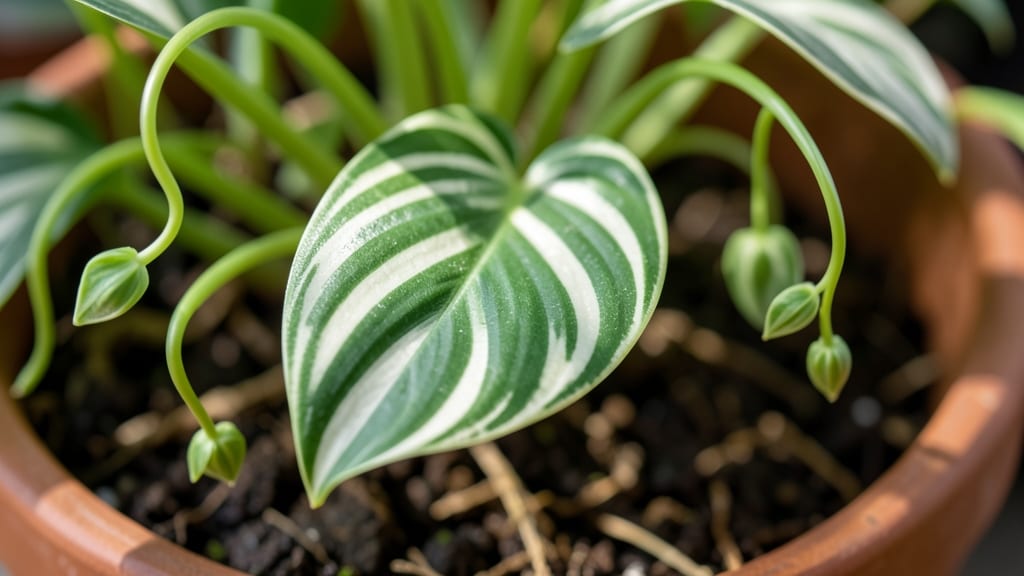
Wondering how much light your 🕷️ spider plant needs to thrive? You might be surprised to learn this popular houseplant is one of the most forgiving greens around—but getting the light just right makes all the difference between lush growth and struggling leaves.
Spider plants adapt beautifully to low to medium light, making them perfect for offices, bathrooms, or even dim corners of your home. The key is understanding how different light levels affect their appearance and health—from vibrant variegation to potential signs of stress.
In this guide, I’ll break down exactly what your spider plant craves, how to spot when it’s not getting enough (or too much), and simple adjustments to keep it happy year-round. Whether you’re dealing with yellowing leaves or slow growth, you’ll find practical solutions to create the ideal environment.
Let’s dive into the simple secrets that’ll have your spider plant thriving—no green thumb required!

Ideal light requirements for spider plants: low to medium light explained
Spider plants (Chlorophytum comosum) are famous for their adaptability, but their light needs are often misunderstood. Unlike sun-loving succulents, they thrive in low to medium light, making them perfect for offices or dimly lit rooms.
The key is finding that sweet spot between too little light (which causes slow growth) and too much direct sun (which burns their leaves). Let’s break down the ideal conditions for your plant’s health and vibrancy.
First, understand that spider plants prefer bright indirect light, which mimics their natural understory habitat in South Africa. This means placing them near a window with filtered sunlight—think sheer curtains or a north-facing window.
If you notice your plant stretching toward the light or developing pale, weak leaves, it’s likely craving more brightness. On the flip side, if the leaves turn yellow or crispy, it’s getting too much harsh sunlight.
Here’s how to visualize the perfect light setup: Imagine your spider plant sitting 1-3 feet away from an east or north-facing window. This distance ensures they get enough light without the risk of leaf scorch.
South or west-facing windows can work too, but only if the plant is placed far enough away to avoid direct afternoon rays. Remember, spider plants are flexible—they can tolerate low light for short periods, but their growth will slow down significantly.
Now, let’s talk about how light affects your spider plant’s appearance. In optimal indirect light, their leaves will be vibrant green with white stripes, and they’ll produce plenty of those adorable "pups" (baby plants).
If the light is too low, the stripes will fade to pale green, and the plant may become leggy as it stretches toward any available light source. This is your plant’s way of saying, "I need more light to thrive!"
Conversely, too much direct sun will cause the edges of the leaves to turn brown or crispy, a clear sign of sunburn.
🌱
🌱 Spider Plant Light Requirements Summary
| Light Type | Ideal Conditions | Leaf Appearance | Growth Impact |
|---|---|---|---|
| Bright Indirect Light | East/West window, 1-3 ft away | Vibrant green with white stripes | Healthy, compact growth |
| Medium Indirect Light | td style="padding: 8px; border: 1px solid #bbb7e6;">North window or filtered lightGreen leaves, faint stripes | Slower growth, fewer pups | |
| Low Light | Far from windows, artificial light | Pale green, no stripes | Leggy, sparse growth |
| Direct Sunlight | South/West window, no filter | Brown crispy edges | Burned leaves, stunted growth |
One of the most common mistakes I see is assuming that more light is always better. While spider plants can handle low light for months, they won’t reach their full potential without enough brightness.
For example, a plant in a north-facing window might grow slower but stay healthy, while one in a south-facing window without shade could develop sunburned patches within weeks. The trick is to observe your plant’s reaction to its environment and adjust accordingly.
If you notice the leaves curling or turning brown, move it to a shadier spot immediately.
Another pro tip: spider plants are great at telling you what they need through their leaves. For instance, if the stripes disappear or the leaves turn all green, it’s a sign they’re not getting enough light.
On the other hand, if the tips of the leaves start to brown and crisp, it’s getting too much direct sun. Paying attention to these visual cues will help you fine-tune the perfect light conditions for your plant’s happiness.
If you’re still unsure about your home’s lighting, try this simple test: Place your hand near the plant’s location. If you can comfortably read a book with the light you’re providing, it’s likely too dim.
If the air feels warm and the light is harsh, it’s probably too intense. Spider plants are forgiving, but they do best when you give them the right amount of gentle, indirect light.
With the right setup, you’ll enjoy lush, healthy growth and plenty of those easy-to-propagate pups!
🌿
Ideal light requirements for spider plants: low to medium light explained
Your spider plant thrives in low to bright indirect light, making it one of the most adaptable houseplants. Unlike sun-loving plants, it avoids direct sunlight that can scorch its leaves.
The key is finding that sweet spot where it gets enough light to grow but stays protected from harsh rays.
In nature, spider plants grow under dappled forest light, which mimics the filtered sunlight they prefer indoors. This explains why they do so well in offices, bathrooms, or north-facing rooms—places many other plants struggle. The right light level keeps their variegated stripes vibrant and encourages healthy foliage growth.
Notice how bright indirect light produces the healthiest results? This is where your spider plant will show off its best variegation and grow at a steady pace.
If you notice the leaves starting to lose their stripes or stretch toward the light, it’s a clear sign it needs more brightness—but not direct sun.
For medium indirect light, growth will still occur, though it may be slower. The plant will adapt by producing longer stems to reach for light, which is why you might see leggy spider plants in dimmer spaces.
This is a natural survival response, but it’s not ideal for the plant’s long-term health or appearance.
In low light conditions, your spider plant will survive but may struggle. The leaves will turn pale, and the variegation will fade as the plant prioritizes survival over aesthetics. If this is your only option, consider supplementing with a grow light to prevent long-term damage.
Finally, direct sunlight is the enemy of a happy spider plant. Even a few hours of harsh afternoon sun can cause leaf burn, turning the edges brown and crispy.
If you’ve placed yours near a south-facing window, move it back at least 5 feet or use a sheer curtain to diffuse the light.