
Plants
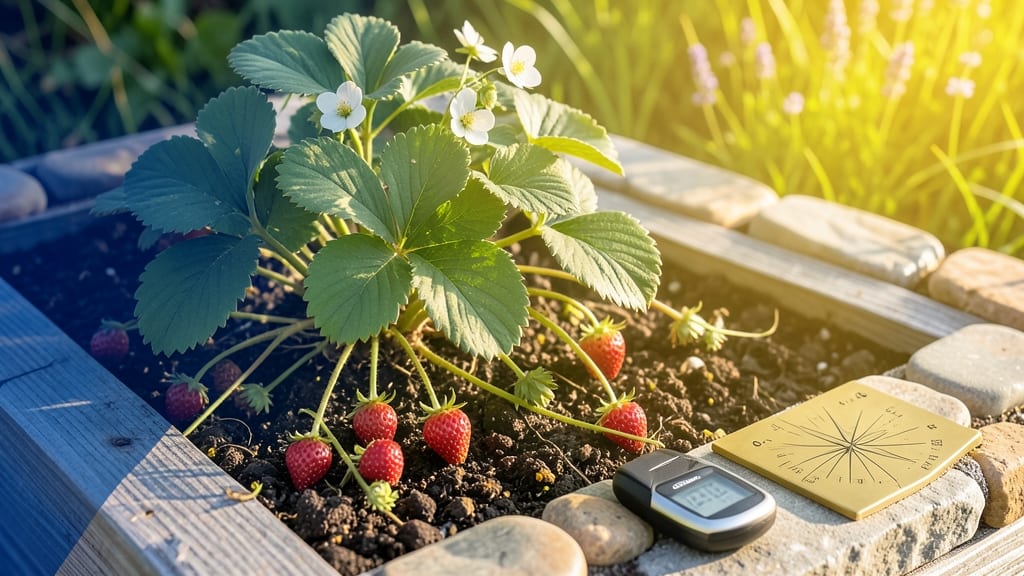
If you've ever grown strawberries and wondered how much light a strawberry plant needs to thrive, chances are your harvest suffered from weak sunlight. These sweet, 🍓 juicy treats demand the right balance of light to reach their full potential—and too little means missing out on that perfect, flavorful harvest.
The ideal light conditions for strawberries aren't just about exposing them to full sun all day. It's about finding that sweet spot—6 to 10 hours of direct sunlight—where your plants get enough energy to produce abundant, flavorful berries without burning out.
Too little light, and you'll struggle with weak growth; too much, and you risk stressing the plants.
Whether you're planting in your backyard or a container on a balcony, understanding how light affects strawberries is the key to success.
I'll break down exactly how much sunlight your plants need, how to tell if they're getting the right amount, and what to do if your growing space isn't sunny enough.
Ready to turn your strawberry patch into a berry bonanza? Let's dive into the sunlight secrets that will change your harvest forever.

Optimal sunlight requirements for strawberry plants: hours and intensity explained
Strawberries thrive in full sun, but not all varieties have the same needs. Most types require 6 to 10 hours of direct sunlight daily to produce sweet, flavorful berries. The key is balancing light intensity with seasonal changes—especially in hot climates where afternoon shade can prevent leaf scorch.
June-bearing varieties, like Jewel or Chandler, demand the most light—8 to 10 hours daily—to set heavy fruit loads.
Everbearing types (Seascape, Ozark Beauty) adapt better to 6 to 8 hours, while day-neutral varieties (Albion, Fort Laramie) tolerate 5 to 7 hours but still produce best with more.
🌱 Pro Tip: Use a sunlight calculator or observe your garden’s light patterns. A spot that gets morning sun + 2-3 hours of afternoon light may still work for everbearing types, but June-bearers will struggle.
| Variety Type | Ideal Sunlight Hours | Minimum Tolerable | Seasonal Adjustments |
|---|---|---|---|
| June-bearing | 8–10 hours | 6 hours (reduced yield) | Add shade cloth in summer |
| Everbearing | 6–8 hours | 5 hours (smaller berries) | Morning sun preferred |
| Day-neutral | 5–7 hours | 4 hours (poor fruiting) | Tolerates partial shade |
🌿 Note: Light needs vary by USDA zone—northern climates may need more sunlight than southern ones.
Light intensity matters just as much as duration. Direct sunlight (especially between 10 AM and 4 PM) fuels photosynthesis, but filtered light (like through sheer curtains or high branches) can still work for everbearing types. Avoid deep shade, where berries become pale, mealy, and lack flavor.
💡 Light Measurement Tip: Use a lux meter (or smartphone app) to check light levels. Strawberries need 10,000–20,000 lux for optimal growth. If your spot measures below 5,000 lux, supplement with grow lights for 12–14 hours daily.
Seasonal shifts require adjustments. In summer, provide afternoon shade (30–50% shade cloth) to prevent leaf burn, while winter may demand moving containers to sunnier spots to extend the growing season. Everbearing varieties, like Seascape, can even produce a second crop in fall with extra light.
Container-grown strawberries have unique needs. Since pots overheat faster, place them in dappled shade during peak afternoon sun. A light-colored container reflects excess heat, while a dark pot absorbs warmth—balance both for best results.
🌡️ Heat + Light Combo: If temperatures exceed 90°F (32°C), even full-sun strawberries may need 2–3 hours of afternoon shade to prevent stress. Watch for wilting leaves or dropped blossoms—signs of heat stress.
Mulching plays a subtle but critical role in light efficiency. A 2–3 inch layer of straw keeps roots cool, retains moisture, and reflects extra light back to the plant. Avoid dark mulches in hot climates—they absorb heat and reduce soil light penetration.
🌱 Final Check: Before planting, test your spot for 6+ hours of sun by placing a white board in the ground. If shadows appear for more than 4 hours daily, reconsider your location or choose a day-neutral variety.
Optimal sunlight requirements for strawberry plants: hours and intensity explained
Strawberries are sun-worshippers, and their light requirements are non-negotiable if you want a bountiful harvest. While all varieties need plenty of sunlight, the exact hours of light can vary depending on the type—June-bearing, everbearing, or day-neutral strawberries each have slightly different needs.
Generally, aim for 6 to 10 hours of direct sunlight daily, with 8 hours being the sweet spot for maximum flavor and yield.
For June-bearing strawberries, which produce one big harvest in early summer, full sun (6+ hours) is critical.
These varieties need the most light to develop strong roots and set fruit. Everbearing and day-neutral varieties, which produce fruit in multiple cycles, can tolerate slightly less light—around 6 to 8 hours—but will still perform best with full sun exposure.
If your plants receive less than 6 hours of sunlight, expect smaller berries and weaker growth.
🌱Light intensity matters just as much as duration. Strawberries thrive under bright, direct sunlight, not the diffused light of partial shade. If you're growing in containers or urban spaces, ensure your plants get unobstructed access to the sun.
Morning sunlight is ideal, as it warms the plants gently, while afternoon sun can sometimes stress them, especially in hot climates. Balancing both is key to avoiding sunburn or heat stress.
🌱 Strawberry Sunlight Summary
| Variety | Minimum Sunlight | Optimal Sunlight | Best For |
|---|---|---|---|
| June-bearing | 6+ hours | 8-10 hours | Large harvests, early summer |
| Everbearing | 6 hours | 6-8 hours | Multiple harvests, cooler climates |
| Day-neutral | 6 hours | 6-8 hours | Prolonged harvests, warm climates |
Seasonal adjustments are also crucial. In summer months, when the sun is strongest, strawberries may need afternoon shade to prevent scorching, especially in hot climates. A simple shade cloth (30-50%) can protect your plants while still allowing plenty of light.
Conversely, in winter or early spring, when daylight is shorter, supplement with a grow light if your plants aren’t getting enough natural light. This is especially important for container-grown strawberries, which can’t access reflected light from the ground.
To measure light exposure accurately, use a sunlight tracker or observe your garden throughout the day. Note how much direct sunlight your plants receive between 6 AM and 6 PM.
If shadows from trees, buildings, or fences block sunlight for more than 2 hours daily, consider relocating your strawberry patch or using reflective surfaces, like white walls or mirrors, to bounce extra light onto your plants. Even small adjustments can make a big difference in your harvest.
Remember, the goal is to give your strawberries enough light to thrive without overwhelming them. With the right balance, you’ll enjoy juicy, sweet berries all season long—no bland, underdeveloped fruit in sight! ☀️